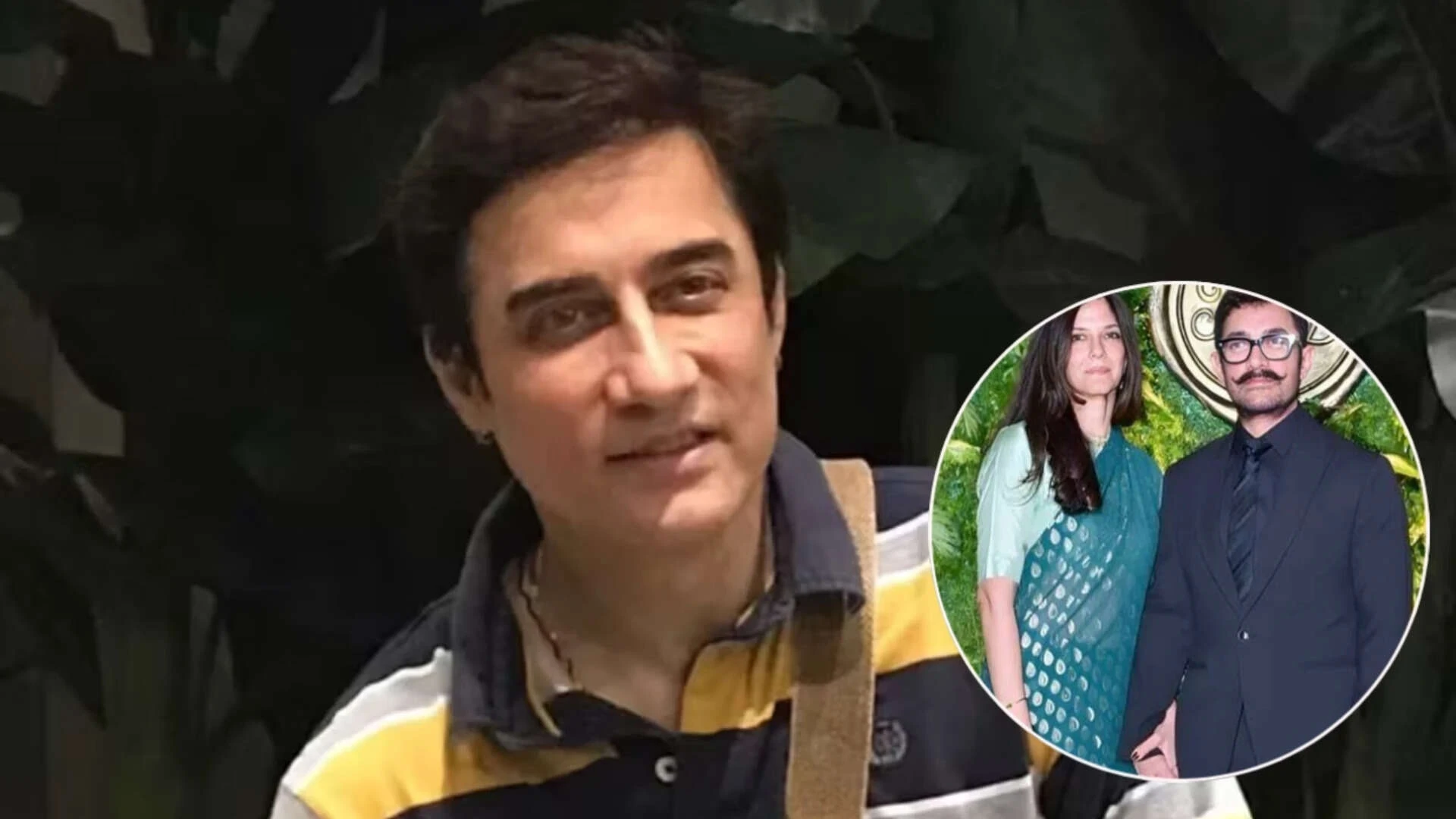
When Aamir Khan was spotted travelling in the same car with his first ex-wife, second ex-wife and future wife-to-be, there was a stir naturally. Some called it modern. Some called it weird. A lot of people just didn't understand it. But maybe we're overlooking a larger story. We are looking at the emerging concept of blended family ("blended family"). This idea has long been common in Western societies, but in India it is still viewed with suspicion. Marriage is considered sacred, divorce is still associated with stigma and the family courts are full of such disputes, which sometimes last longer than the marriage itself. In India, divorce was presented as a war for generations. It was necessary to have a villain and a victim. Families were divided into sides. Children were most affected by this. The former spouses would disappear from each other's lives, except through contact through lawyers and court orders. But now a quiet shift is beginning. Aamir Khan and Kiran Rao have repeatedly emphasized that even though their marriage ended, their family did not end. Hrithik Roshan and Sussanne Khan have also become perhaps India's most prominent example of successful "co-parenting" after divorce. They attend family events, celebrate important occasions together, and seem to have made a conscious decision to put the well-being of their children above their egos. This is important because celebrities don't just entertain us. They also present an example of the possibilities. In a country where divorced women are still asked what went wrong and where divorced men are encouraged to fight for their rights, watching ex-spouses live with no public acrimony challenges deeply entrenched assumptions. This indicates that divorce is not always a failure. Sometimes it's just a "transition". Of course, the lives of celebrities should not be idealized. Economic prosperity makes many things easier. Nannies, therapists, multiple households, flexible routines, and financial security can reduce the stresses that ordinary families have to deal with. Yet this principle is relevant. The question is not whether two people can stay married forever. The question is, can they remain faithful to each other even after the marriage ends? When children are involving, that's when it becomes even more important. Research from around the world shows that children suffer more from long-term conflict than parents. A child living between two peaceful houses is in a better position than a child who remains trapped in the same stressful house. The country is changing. Women are becoming more financially independent. People are getting married late. Expectations from marriage have increased more than ever. Obviously, divorce rates are also rising. In such a situation, the above episodes present an alternative story, in which the former spouses can also remain allies of each other and the children are not forced to choose one side.
(These are the author's own views)

RSS News
Bhaskar
0 thoughts on “Meghna Pant's column: Separation of paths does not mean that there are distances in hearts”
Leave a Reply
Your email address will not be published. Required fields are marked *



RECENT NEWS
- Kate Middleton backs peace efforts but worries about renewed family strain
- Kayadu Lohar recalls Class 10 eve-teasing incident
- Faissal apologises to Aamir and family ahead of actor's wedding
- IND vs ENG T20 Live Streaming: 1st T20 match between India and England today, will Sanju be dropped for Vaibhav?
- Akshay on 'Welcome 3: 'Friday still feels like an exam result'