In the last few years, 6 MPs from Shiv Sena, 20 from Trinamool and 7 from AAP have joined other parties. In all the three cases, the parties concerned had opposed the merger. Despite this, these are considered valid under the anti-defection law. What is the technical loophole behind this? The anti-defection law was designed to deal with a real problem. MPs and MLAs used to change parties frequently and join other parties. Haryana MLA Gaya Lal had switched parties three times in a single day. In the lure of ministerial posts or other benefits, MLAs were encouraged to defect, thereby destabilizing elected governments. During 1967-68 alone, 116 of the 210 MLAs who defected to various assemblies were made ministers. The Tenth Schedule of the Constitution was added in 1985 to prohibit this. Under this, if the people's representatives leave the party on whose ticket they have been elected, then their membership will be terminated. Its objective was clear- to maintain political stability and protect the mandate of the voters. However, this law also changed the nature of the relationship between political parties and elected representatives. Before the Tenth Schedule, MLAs and MPs had relatively more freedom. They could vote in the House based on their conscience, public interest or the needs of their constituency. But the anti-defection law shifted the balance of power in favour of political parties. If an MP or MLA violated the party-whip or quit the party membership, he could face disqualification. That is, partisan discipline was given priority over individual liberty within this law. But the law also accepted some exceptions, the most important of which was the merger of political parties. According to this provision, if a political party merges with another party and enjoys the support of two-thirds of the MPs or MLAs of that party in the House, such elected representatives will be protected from disqualification. The law envisaged that both the political party and its elected representatives would have a role in the process of merger. However, over time, the courts have created an interpretation of this provision that appears to be different from the broader purpose of the defection law. The courts began to consider the condition of a two-thirds majority as sufficient. Consequently, if a sufficient number of MPs or MLAs of a party decide to migrate to another party together, it is deemed to be a merger for the purpose of the Tenth Schedule, even if the parent party continues to exist and opposes it. The Aam Aadmi Party, for example, exists as an independent party, but seven of its ten Rajya Sabha MPs are now with the BJP. Similarly, the Trinamool is still active and has opposed the merger of its MPs. Yet according to the current legal interpretation, if the required number is met, the party's objection will not be conclusive. This creates a bizarre paradox. The political consequences of such mergers are serious. They can change the balance of the majority in the House, influence voting on important bills and even jeopardize the stability of governments. The problem is more acute for smaller states and regional parties, where the number of MLAs is limited. In smaller assemblies, it is easier to get two-thirds figure. Political parties were considered important in a democracy. That is why if an MP or MLA goes against his party, he could lose his membership. But in the question of merger, the will of the political party has been made almost irrelevant. (These are the authors' own views)

RSS News
Bhaskar
0 thoughts on “Arghya Sengupta and Swapnil Tripathi's column: A period of tussle in the relationship between political parties and leaders”
Leave a Reply
Your email address will not be published. Required fields are marked *



RECENT NEWS
- Vijay's final film 'Jana Nayagan' likely to hit theatres this month
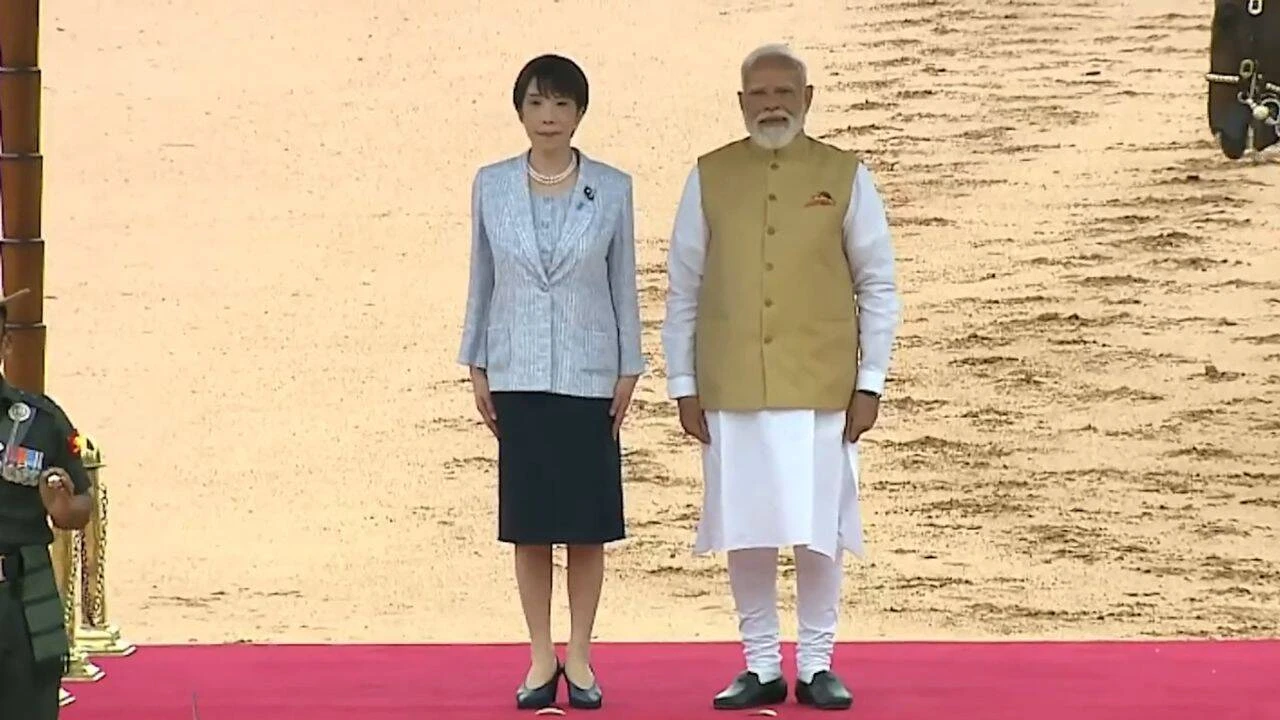
- Japanese PM Sanae Takaichi meets PM Modi, receives ceremonial welcome at Rashtrapati Bhawan
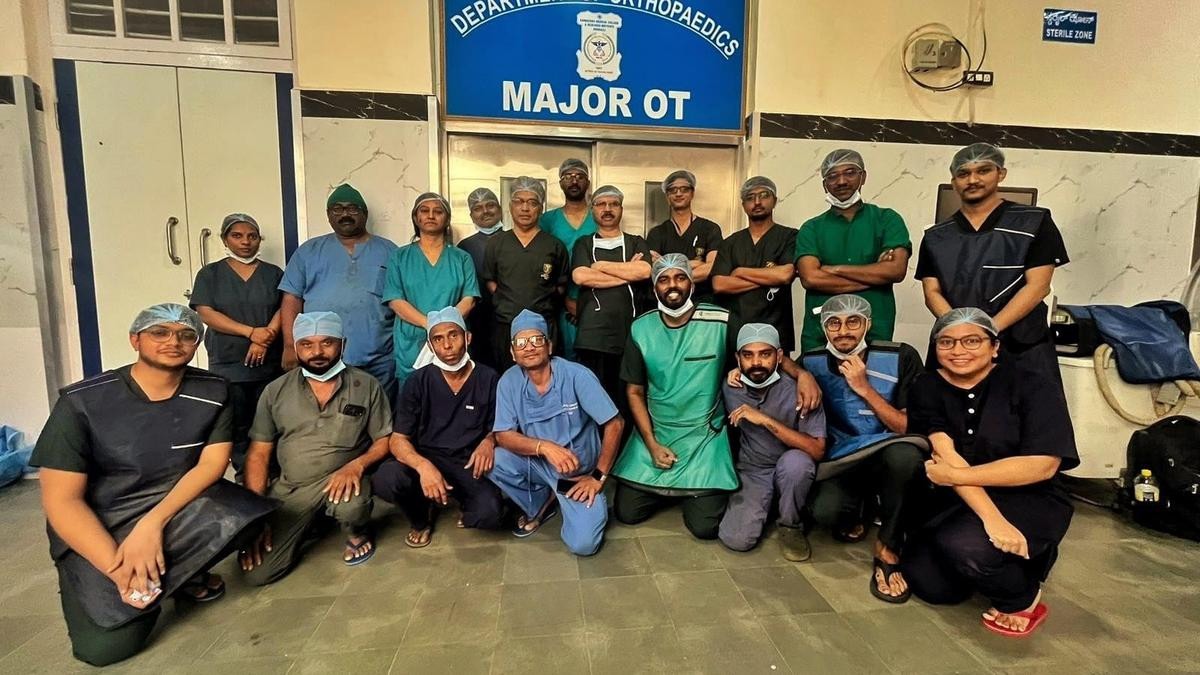
- Robot-assisted total knee replacement performed at KMCRI in Hubballi
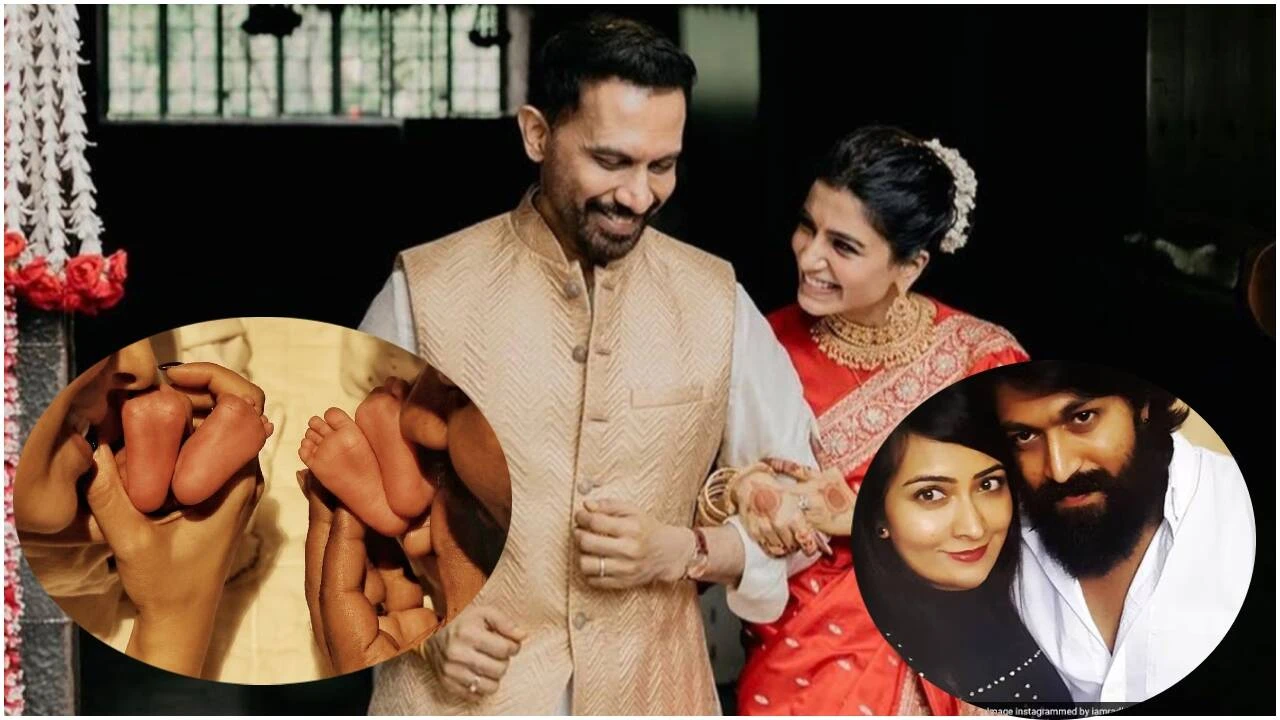
- Why stars prefer revealing the 'GOOD' news on their own terms
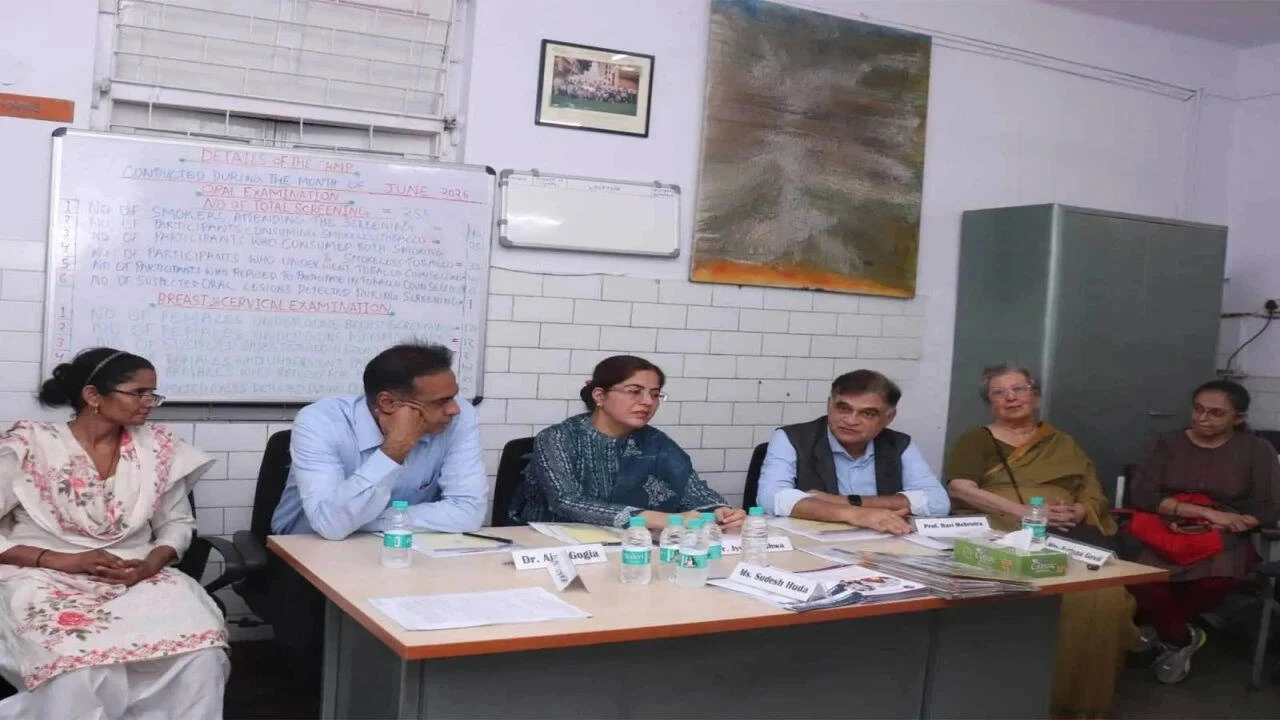
- India needs national strategy to improve access to new cancer therapies: Experts