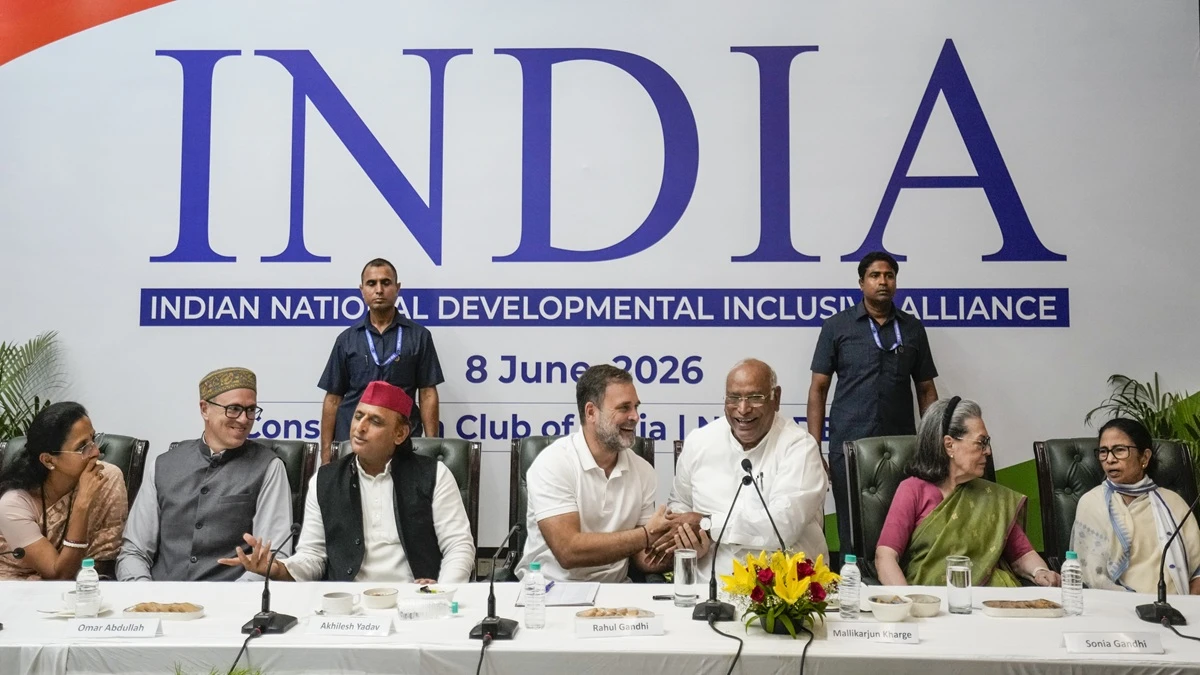
Sequels are hardly successful in Indian cinema. Usually, the audience has seen the original film, the novelty wears off, and the story starts to feel stale. That is why the re-emergence of 'India-2.0' hardly gives confidence that the alliance that will give an unprecedented challenge to the BJP in the 2024 Lok Sabha elections can easily repeat the same performance. A lot has changed in the last two years. The Congress has suffered electoral setbacks in many big states. Many regional parties that were the strength of the coalition have been weakened. The TMC is disintegrating after the defeat in Bengal. In Maharashtra, Shiv Sena (UBT) and NCP (SP) have also split. After losing Delhi, the Aam Aadmi Party is fighting a battle to keep itself relevant. In such a situation, 'India' seems less like a unity of forces coming together on a common vision and more like a gathering to stop the BJP at any cost in 2029. The problem is that politics is not only a game of arithmetic, it is also a game of chemistry. Coalitions may be built behind closed doors, but voters sense opportunism. Two months ago, Rahul Gandhi was accusing the TMC of corruption and inwardly compromising with the BJP. Can the same leaders now come together and expect voters to ignore these contradictions? Such contradictions are everywhere. The DMK is angry with the Congress for its neglect after the defeat in Tamil Nadu. The Aam Aadmi Party (AAP) also does not seem too keen on sharing the stage with its main rival Congress in Punjab. The Left parties are also angry with the Congress's attacks in the Kerala elections. In such a situation, it hardly seems to be a picture of a united political alternative. On the contrary, there is clarity in the BJP. Voters know what the party's principles are and who has the final decision. The BJP's dominance has also been established because the opposition seems fragmented, uncertain and entangled in internal conflicts. One of the most interesting things about Indian politics is that many of the existing regional parties have emerged from the Congress. TMC, NCP and YSR Congress — all of them have their roots in the Congress. Their leaders parted ways with the Congress due to leadership disputes, political ambitions or regional compulsions, but by and large these parties remain part of the same ideological milieu. These parties still bear the imprint of the Congress in their names and political identities. In the last four decades, the Congress family has splintered into several regional parties. As a result, anti-BJP votes were divided. So why not find ways to politically regroup these branches that have emerged from the Congress instead of forging another fragmented anti-BJP coalition? A merger, or at least an orderly unity based on mutual coordination, could give Congress more energy than any new coalition formed a few months before the election. This will create a strong central pivot in the opposition's politics and the Congress will be able to negotiate with smaller allies with strength, not in a weak position. Today, this idea may seem impractical. But the history of politics is full of such reunion events that seem beyond expectations. The BJP itself is the result of decades-long consolidation of the broader Sangh Parivar. So why did the Congress family remain permanently fragmented? However, for any such success to happen, the Congress will also have to change. For the return of the satraps, it will be necessary that the Congress leadership shows the intention to share power and power. Regional leaders will also have to rise above personal egos, family interests and short-term political calculations. It is unlikely that a leader would want to lose his decades-old identity and become a mere courtier of Delhi, but it is also unlikely that every regional leader would expect to remain a 'kingmaker' in national politics despite his dwindling base. Instead of forming another fragmented coalition, why not find ways to politically regroup the branches that emerged from the Congress? Solidarity based on merger or coordination can give more energy to Congress.
(These are the author's own views)

RSS News
Bhaskar
0 thoughts on “Rajdeep Sardesai's column: Should the parties break away from the Congress return to it?”
Leave a Reply
Your email address will not be published. Required fields are marked *


RECENT NEWS
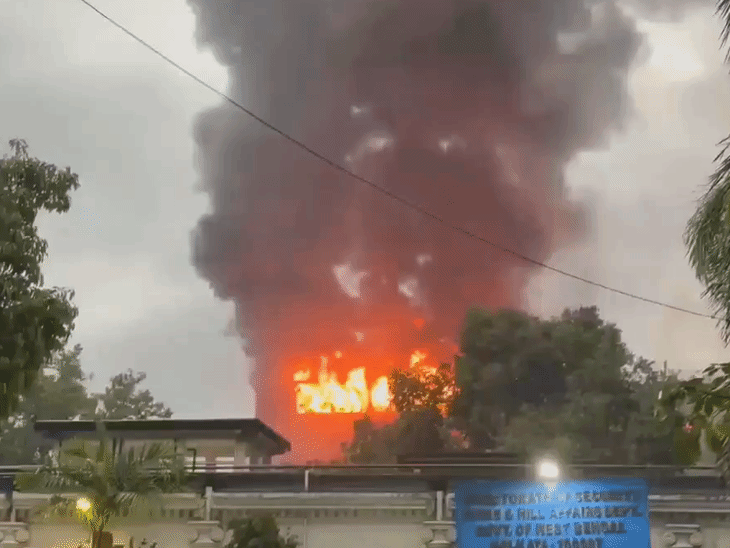
- Fire breaks out in Kolkata government building, 4,000 EVMs burnt: Minister says 10 seats were used in 10 seats, conspiracy suspected; TMC, AAP say - BJP should respond
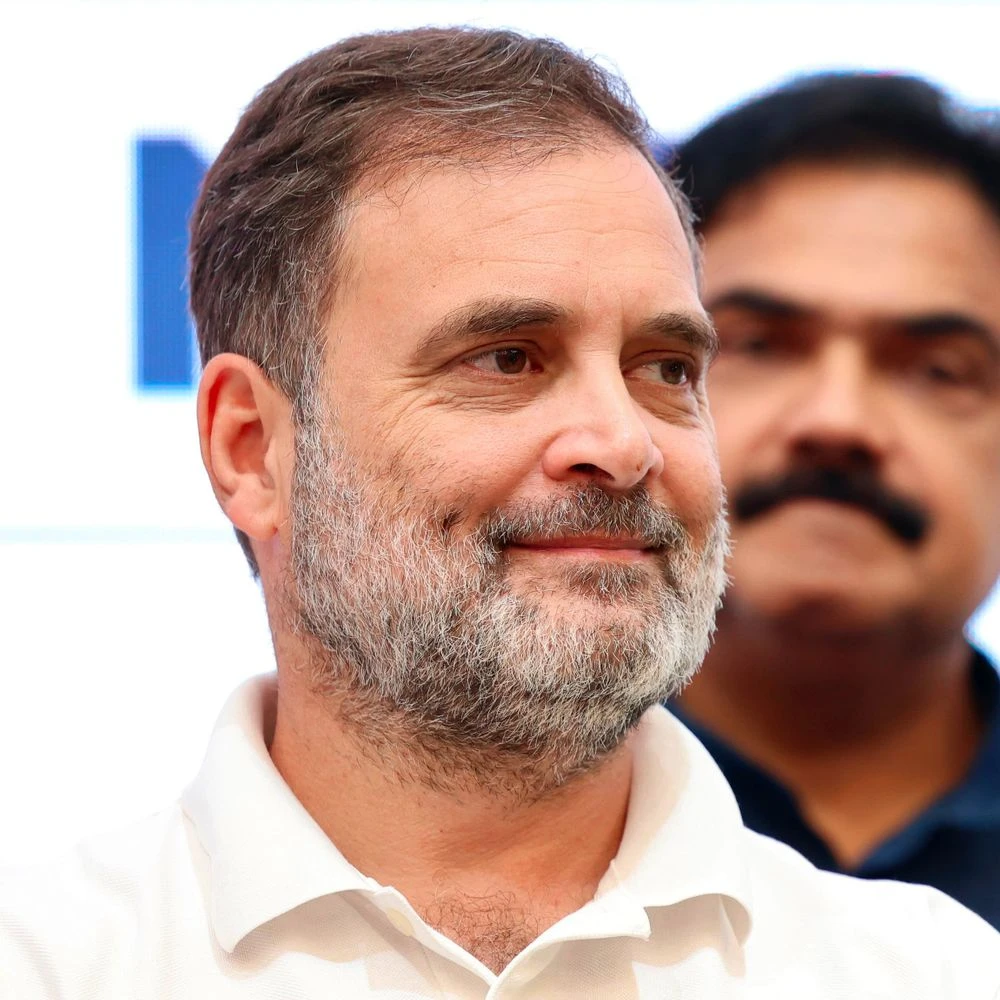
- RAHUL'S MESSAGE TO THE BLOC - PUBLIC ANGER AGAINST BJP: NEXT LOKS ELECTION IS OURS, INDIA BLOC - Opposition will have to fight together
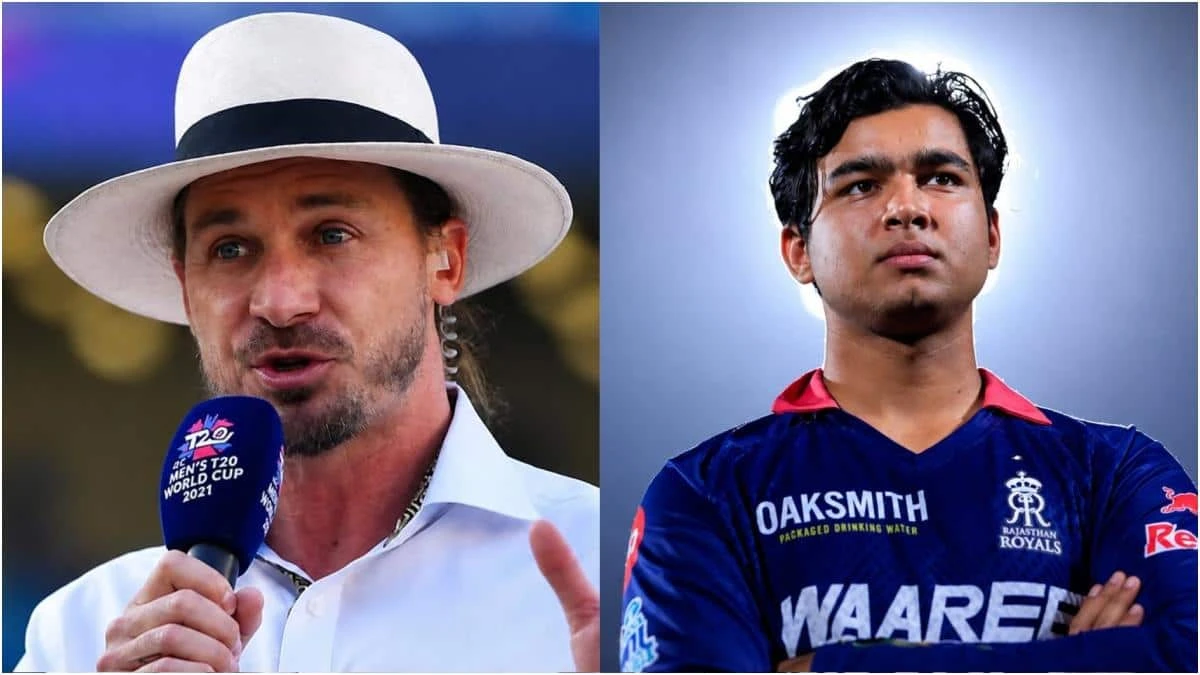
- Dale Steyn makes big prediction on Vaibhav Suryavanshi, says – Sachin Tendulkar and Virat Kohli
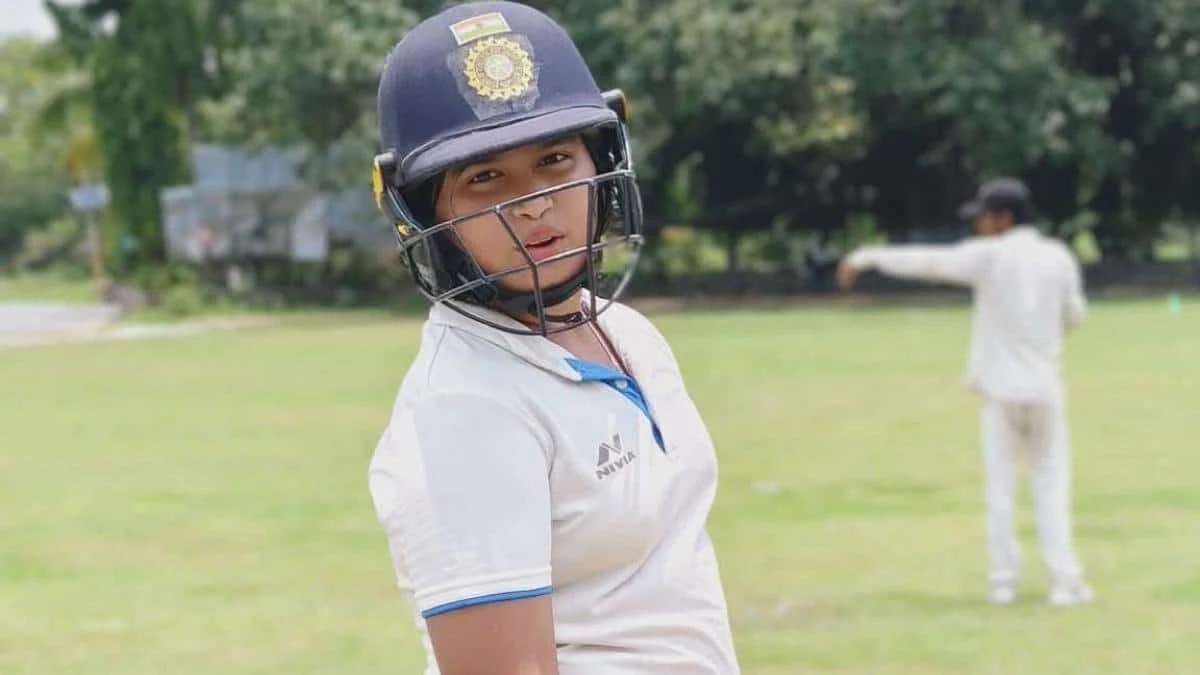
- Vaibhav Suryavanshi's brother is also a small packet big bang, scored his first century; 86 runs from just the boundary
- Air India crash report: AAIB says probe in final analysis stage, urges public to avoid speculation