For more than a decade, Pakistan had been trying to strike a delicate diplomatic balance over the Yemen conflict. It maintained normal relations with Yemen and at the same time regarded Saudi Arabia as its most important strategic and economic partner. However, the recent Middle East regional equations and security crisis have forced Islamabad to change its decades-old policy of 'neutrality'.
In 2015, when Saudi Arabia launched a multinational military operation against the Iran-backed Houthi rebels, Riyadh requested its most trusted military ally, Pakistan, to send ground troops, fighter jets and warships.
At that time, the Parliament of Pakistan passed a historic resolution and decided to remain completely neutral in this war. The then Defense Minister Khawaja Asif had made it clear that Pakistan would not be directly involved in the internal or sectarian conflict of any other country. However, an important condition was added to the resolution of Parliament that If there is any direct threat to the territorial integrity of Saudi Arabia or holy sites like Mecca-Medina (Harman Sharifan), then Pakistan will stand firmly to protect it.
Why is Pakistan's neutrality broken now?
Since 2015, the scope of the Yemen war has not been limited to the Yemeni borders. There has been an unprecedented increase in drone and missile attacks by Houthi rebels targeting Saudi Arabia's hinterland, energy installations, and commercial hubs.
The situation changed completely after the recent drone strikes near the sovereign territory of Saudi Arabia and the holy cities. Islamabad strongly condemned the attacks and Prime Minister Shehbaz Sharif reiterated that Pakistan would take all possible steps to protect the holy sites. This made it almost impossible for Pakistan to stick to its policy of neutrality.
'Mecca Joint Defence Agreement'
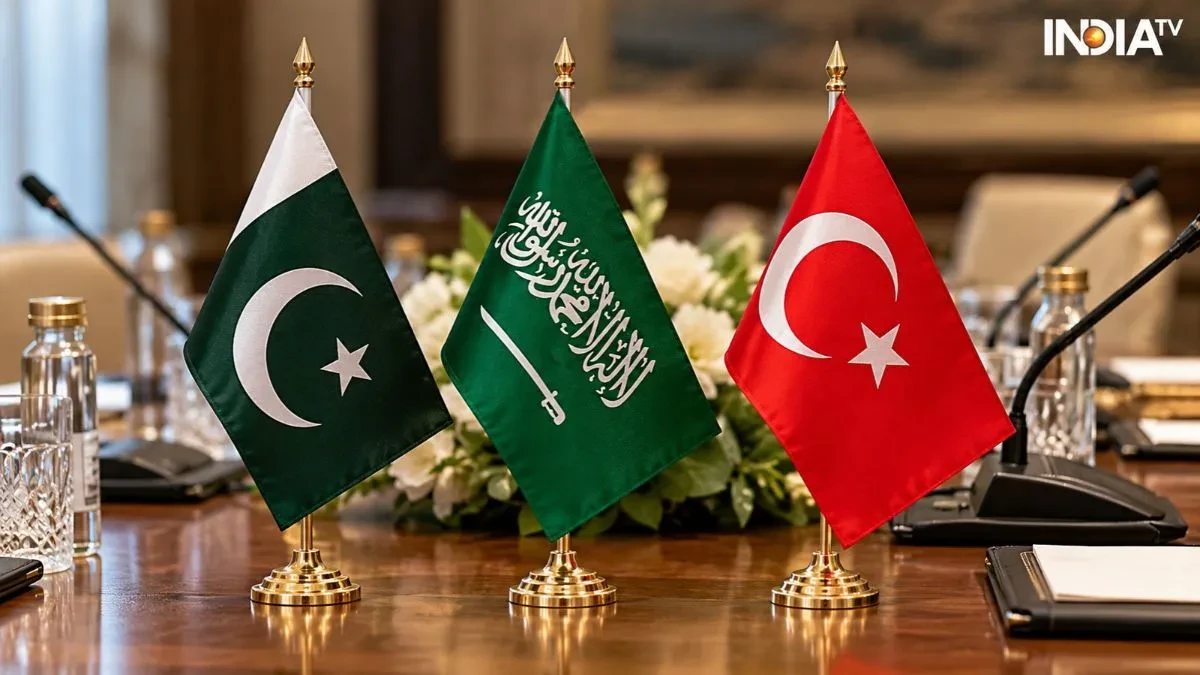
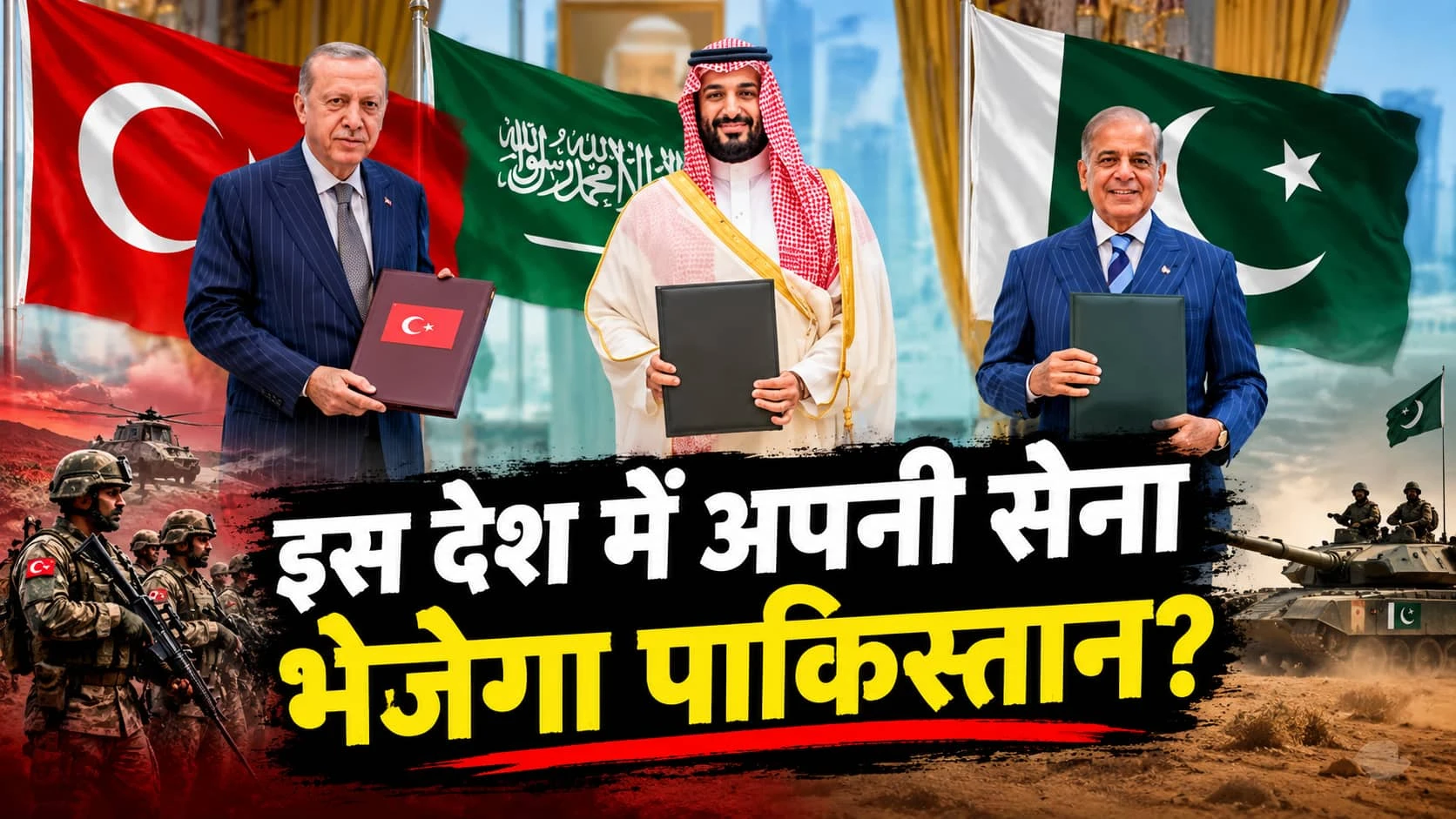
The largest administrative basis of this strategic turning point became the Mecca Joint Defence Agreement. This tripartite agreement signed between Pakistan, Saudi Arabia and Türkiye transformed Islamabad's political promises into a formal and binding military structure.
Under Article 51 (Right to Self-Defense) of the UN Charter, the agreement provides that an armed attack on any one of the three member states will be considered an attack on all three countries. Recently, the three countries have agreed to deploy rapid military forces and capabilities in Saudi Arabia under this agreement.
Although Pakistan officially calls it a "preventive and defensive" agreement, according to regional observers, the move sends a strong message directly to the Houthi rebels and their supporters amid rising tensions near the Bab al-Mandeb Strait.
The Big Foreign Policy Crisis and Future Challenges
For Pakistan to intervene directly in the Yemen affair could create a serious foreign policy crisis. Pakistan shares a western border with Iran. A direct military presence against Iran-backed factions in Yemen could create a huge strain in Islamabad's relations with Tehran.
The communal balance within Pakistan is extremely sensitive. An Arab country becoming part of the Shia-Sunni power struggle could increase security challenges within the country.
Pakistan, on the other hand, is facing severe economic crises and is highly dependent on Saudi Arabia for financial assistance, oil supplies, and foreign exchange reserves.
Pakistan's move away from the "we will not fight" stance to deploying its troops in Saudi Arabia is seen as the biggest U-turn in its decades-old foreign policy. The principle of 'collective defence' that the Mecca Pact has given birth to has brought Islamabad to the brink of the Yemen conflict. If this regional conflict spreads further to the territories of Saudi Arabia, it will now prove impossible for Pakistan to maintain its much-touted pretense of neutrality.

0 thoughts on “EXPLAINED: From 'We will not fight' to sending troops to Saudi Arabia! How Pakistan's U-turn on the Yemen war”
Leave a Reply
Your email address will not be published. Required fields are marked *



RECENT NEWS
- Did you know Jeffrey Archer's books were released in India before Britain? Here's his special India connection
- EXPLAINED: From 'We will not fight' to sending troops to Saudi Arabia! How Pakistan's U-turn on the Yemen war
- Fearing a 9/11-like attack, Israel prepared to shoot down flydubai flight with 174 onboard: Report
- Trump claims Iran behind flydubai flight 'terror' incident despite Vance's 'nothing conclusive yet' remark
- Bestselling author Jeffrey Archer dies at 86, days before his final novel hits shelves