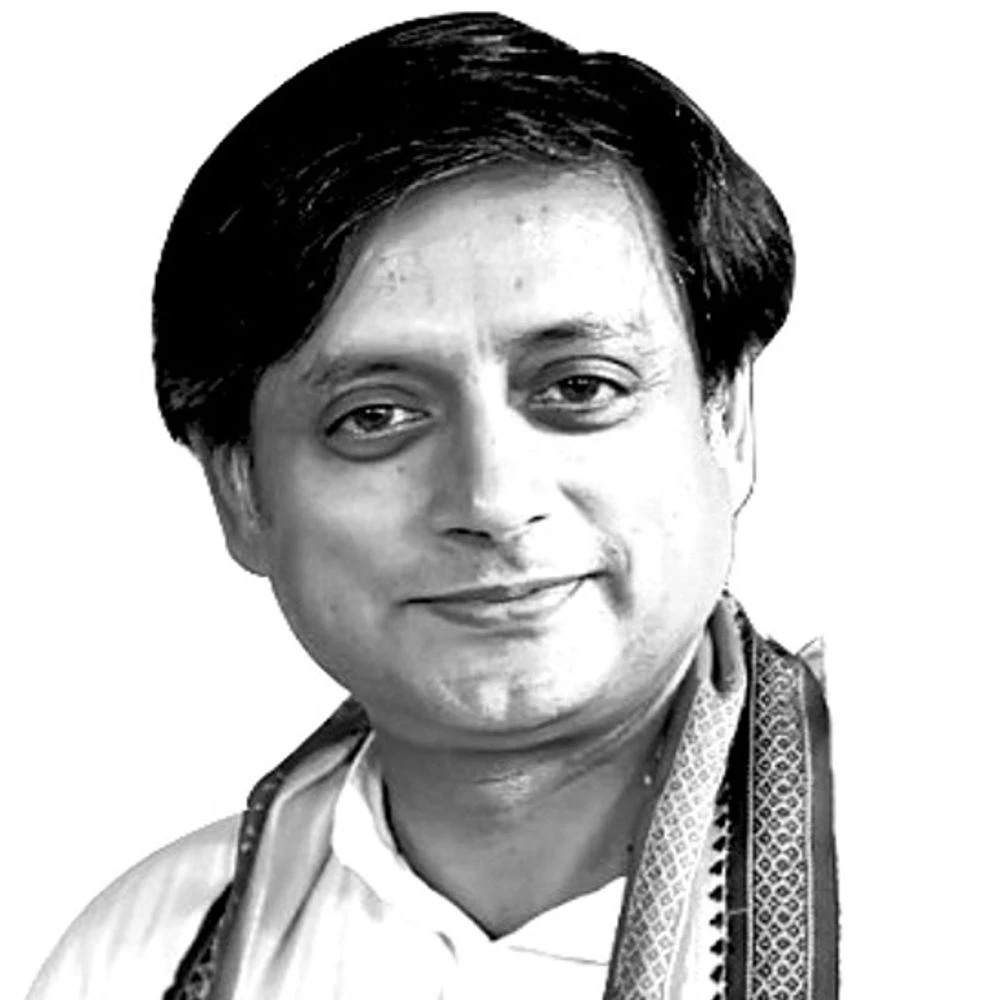
Last month, Narendra Modi became the country's longest-serving elected prime minister. He surpassed the hero of the freedom struggle, Jawaharlal Nehru, who had served in office for 4,398 days after the first general election. However, Nehru had led India for five years before that and Indira Gandhi also served as Prime Minister for the longest time overall, but not consecutively. Modi undoubtedly falls into his category as one of the three most influential leaders of independent India. Modi has already led India's deepest realignment since 1947, due to which we have seen dazzling progress in economic modernisation and development. However, we have also faced challenges on the question of independence of institutions and protection of minorities. Modi's greatest achievement has been the creation of cutting-edge technology and infrastructure, which has radically changed the lives of more than 1.4 billion people. Before Modi became the Prime Minister in 2014, millions of Indians were out of the formal banking sector. Their reliance on informal options had fuelled corruption. Building on the initiative initiated by his predecessor Manmohan Singh, Modi implemented a new system that bypassed traditional banking structures. Instead, zero-balance bank accounts (Jan Dhan Yojana), biometric identity cards (Aadhaar) and mobile numbers were linked. This 'JAM' trinity is what has given birth to UPI, a public, real-time payment protocol that enables instant transactions for everyone, from street vendors to tech giants. This approach also made possible the expansion of the Direct Benefit Transfer (DBT) system, under which subsidies and benefits are credited directly to the bank accounts of beneficiaries. Since its inception in 2013, DBT along with other welfare schemes has helped lift nearly 25 crore people out of poverty. This system has also curbed corruption by removing intermediaries. However, other sectors of the economy are not yet free from corruption. War-level readiness has also been shown for infrastructure development and record-breaking investments have been made in highways, airports and high-speed rail networks. Ports are being modernized and expanded. Electricity has been provided to the villages. More than 10 crore households – who were earlier dependent on community wells – have been provided with clean water through pipes. But in foreign policy, Modi has followed Nehru. Instead of taking a partisan stance in global geopolitical rivalries, he has upheld India's long-standing commitment to strategic autonomy and has advanced the principle of 'multi-alignment'. However, mistakes have also been made. For example, India should have positioned itself as a neutral party and potential mediator in the Iran war, and not allowed the impression to be created that it is on the side of the US and Israel. On the other hand, the Hindutva approach seeks to enshrine India's cultural identity in the Hindu heritage of 80% of the population. For India's Muslim and Christian minorities, this has contributed to a growing sense of being socially and politically marginalized. Critics also warn that India's pluralistic security arrangements are being undermined. The government has also been criticised for weakening independent institutions. Of course, India is the world's fastest-growing major economy, but not enough high-quality formal sector jobs have been created for the millions of young people entering the workforce every year. So overall, India under Modi has been neither a purely economic miracle nor a straightforward case of democratic collapse. We are an ambitious, powerful country, charting our own path. It is on these complex terms that the world has to accept us. Under Narendra Modi, India has been neither a purely economic miracle nor a simplistic case of democratic collapse. It's an ambitious, powerful country that is forging its own path. The world has to accept it only on these complex terms.
(@प्रोजेक्ट Syndicate)

RSS News
Bhaskar
0 thoughts on “Shashi Tharoor's column: One-sided understanding may not work on today's India”
Leave a Reply
Your email address will not be published. Required fields are marked *


RECENT NEWS
- Priyanka Chopra made a video call to husband Nick Jonas at Wimbledon.
- Alpha Box Office Collection Day 7: Alia Bhatt's 'Alpha' earns every day, could not touch the 50 crore mark even after a week, know - Collection
- Alok Nath Birthday: When Alok Nath became the father of Amitabh Bachchan, 14 years older, the film proved to be a cult classic.
- N. Raghuraman's column: How can you become 'unforgettable' in people's minds?
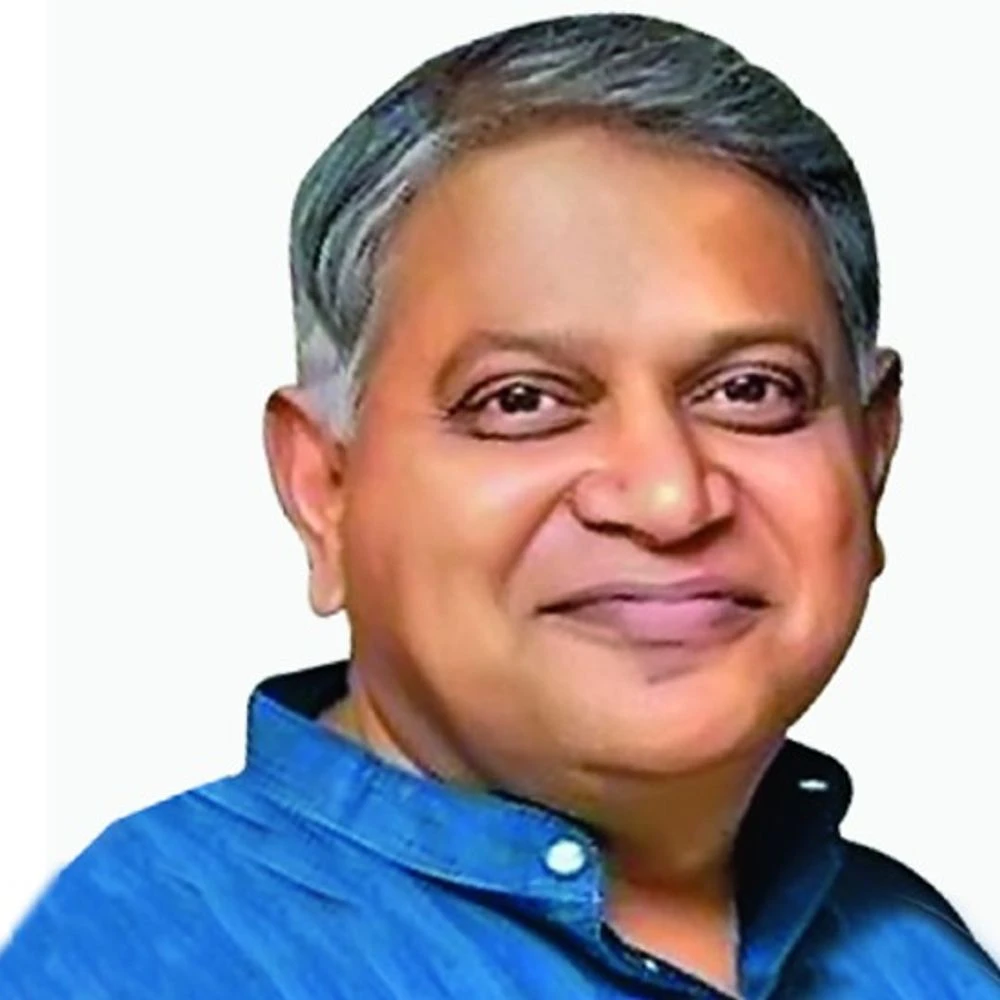
- Shashi Tharoor's column: One-sided understanding may not work on today's India