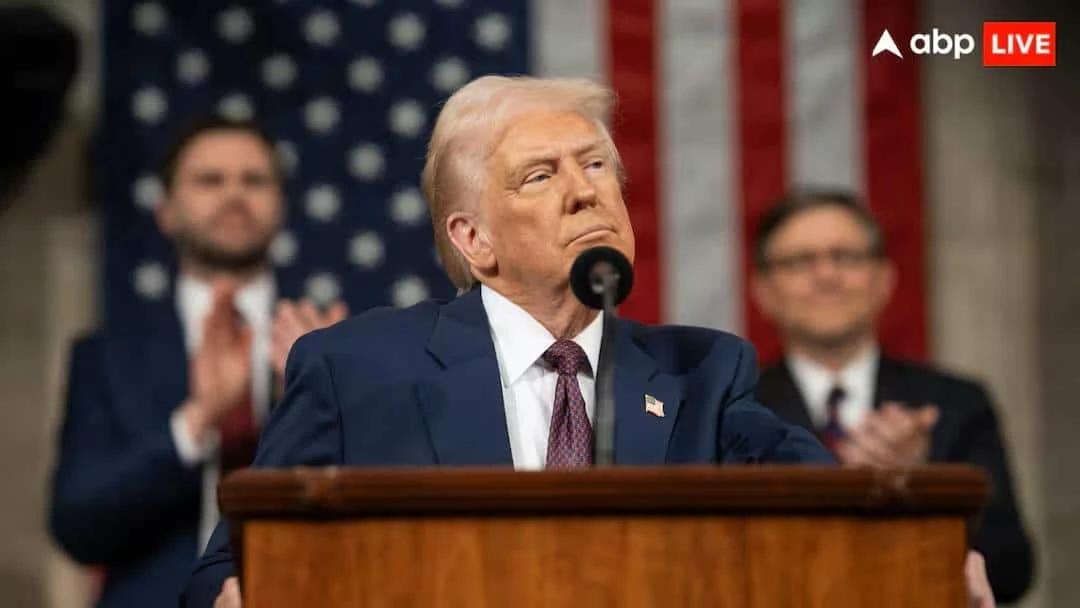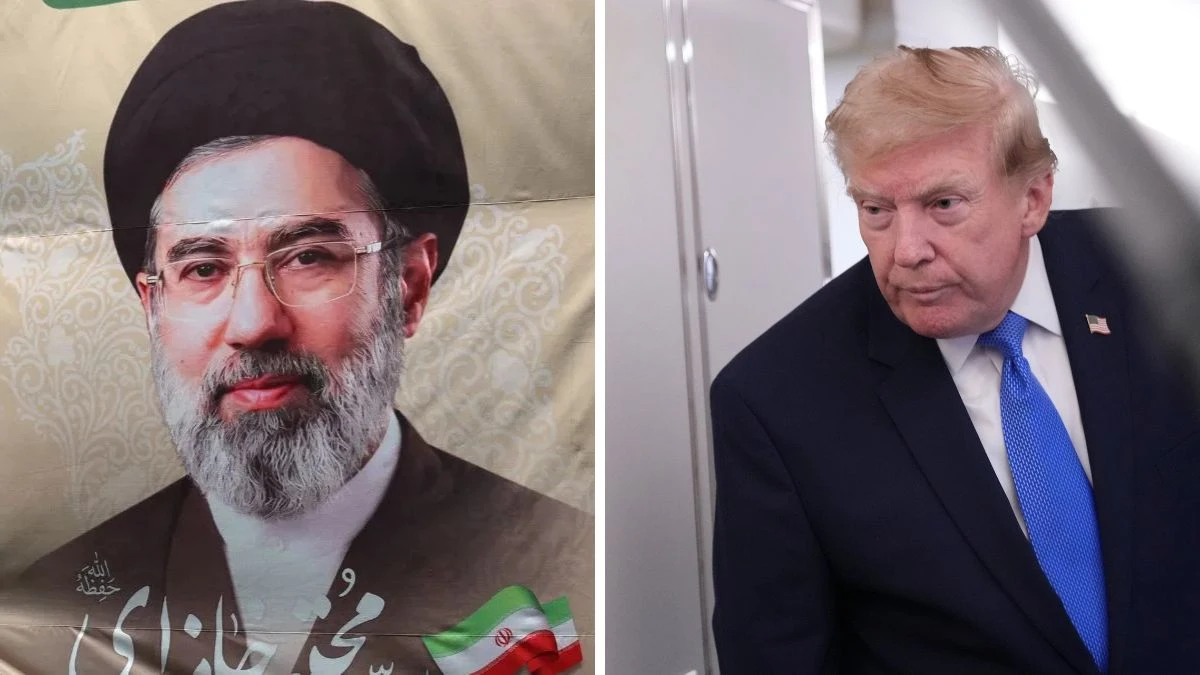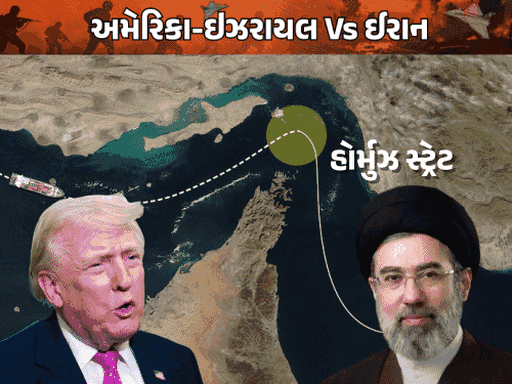
US President Donald Trump may give up his demand for a nuclear deal in exchange for opening Hormuz. According to a report in The Wall Street Journal, Trump wants Iran to fully open the Strait of Hormuz. This could also pave the way for a truce with Iran again. The Wall Street Journal quoted US officials as saying that the Trump administration has been preparing for this for several weeks. He has said in private conversations with senior aides that he may withdraw even without a new nuclear deal with Iran. Iran has also set a number of conditions for the opening of Hormuz. These include billions of dollars in payments, an end to the blockade of the U.S. Navy and the withdrawal of U.S. troops from the area. Iran has also demanded the lifting of sanctions and the return of its confiscated assets. Why is Iran a challenge to the United States? 1. 3,000+ ballistic missiles, underground 'missile city' According to the US intelligence agency ODNI, before the war, Iran had more than 3,000 ballistic missiles with a deadly capacity of up to 2,000 km. A large part of these missiles are housed in underground bases built under the mountains. Here the missiles, launchers and control centers are inside the tunnels, so it is not considered easy to completely destroy them in air attacks. 2. 20% of the world's oil route Iran has about 20% of the world's marine oil trade and a large share of LNG passing through the Strait of Hormuz. Its northern coast is near Iran. So the escalation of tensions here and the closure of Hormuz have a direct impact on global oil prices and energy supply. 3. A fleet of thousands of drones Iran has developed thousands of drones like Shahed in the last decade. It is used for long-range attacks and surveillance. Even in the Russia-Ukraine war, the use of Iranian drones has brought its capabilities into the discussion globally. 4. Allied Armed Networks in West Asia Iran-backed groups Hezbollah (Lebanon), Houthi (Yemen) and many Shiite armed groups from Iraq are active in West Asia. U.S. defense experts see them as part of Iran's Forward Defense Strategy, which allows it to exert pressure outside its borders. Why does Iran claim Hormuz? The Strait of Hormuz lies between Iran and Oman. Its northern coast is near Iran, while its southern coast is near Oman. At its narrowest point it is only 21 nautical miles (about 39 kilometers) wide. Initially, the maritime area between the two countries was limited to only 3 nautical miles. However, after a change in the maritime laws, Iran in 1959 and Oman in 1972 increased their maritime territory to 12-12 nautical miles (about 22-22 km). After this decision, the narrowest part of the Strait of Hormuz fell entirely into the waters of Iran and Oman. However, 2-2 nautical miles wide transit lanes were constructed to facilitate sea movement.

RSS News
Divyabhaskar
0 thoughts on “Report: Trump could compromise with Iran on opening Hormuz: Trump may give up demand for nuclear deal in return; Preparations for a ceasefire”
Leave a Reply
Your email address will not be published. Required fields are marked *



RECENT NEWS
- Report: Trump could compromise with Iran on opening Hormuz: Trump may give up demand for nuclear deal in return; Preparations for a ceasefire
- Will Trump withdraw from the nuclear deal if Iran accepts this condition? Big claim in the report
- Netanyahu rejects Trump's Gaza peace plan, says 'Israeli army...'
- Iran reacts to Mecca defense agreement, says 'it is only...'
- Indian-origin woman's partner arrested in Canada's Toronto seven months after her murder