For the last 15 days, there was a brake on the scorching heat due to western disturbances, but now the temperature has started rising in northern, central and western India. According to the India Meteorological Department (IMD), the mercury is likely to cross 40°C in Rajasthan, Madhya Pradesh, Delhi, Uttar Pradesh, Chhattisgarh, Gujarat, Saurashtra, Kutch, Bihar and Jharkhand this week. A dust storm alert has been issued in 30 districts of Punjab, Haryana, Chandigarh, Delhi and western Uttar Pradesh today. During this time, the wind speed can reach 40 kmph. On the other hand, hot and humid weather will prevail in Odisha, Andhra Pradesh, Karnataka, Kerala, Tamil Nadu, Puducherry and Madhya Maharashtra. In Andhra Pradesh, temperatures have been recorded as high as 44°C at some places. On the contrary, there is a rain alert in Assam, Meghalaya, Arunachal Pradesh, Nagaland, Manipur, Mizoram and Tripura in the northeast. Snowfall is also possible in the high altitude areas of Jammu and Kashmir, Uttarakhand and Himachal. 2 Pictures of the Weather... Weather Forecast for the next two days: Weather Forecast from States... Rajasthan: Temperatures to cross 40°C this week, mercury touches 35°C in more than 12 cities Apart from the western districts, more than 12 districts in the east and south recorded day temperatures between 35 and 40°C on Sunday. The sky is likely to remain clear for the next 4-5 days and the temperature is likely to rise by 3-4°C in the state.

RSS News
Divyabhaskar
0 thoughts on “Temperature reaches 40 °C in MP-UP and Rajasthan, Heat Alert: Dust storm at a speed of 40 kmph in Delhi-Punjab, snowfall in Kupwara, Jammu and Kashmir”
Leave a Reply
Your email address will not be published. Required fields are marked *



RECENT NEWS
- Rajdeep Sardesai's column: Serious efforts will have to be made towards energy self-sufficiency
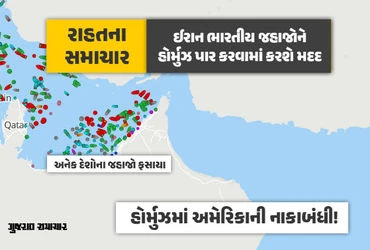
- Morning News Brief: Blockade of Hormuz Strait begins, Pakistan objects to channel playing Asha Bhosle's song; BJP to win 32 seats in Navsari
- SRH vs RR Highlights: First Ishan Kishan beaten, then Praful Hinge and Saqib Hussain broke Rajasthan's arrogance, got the first defeat of the season
- Who is Praful Hinge? Who made history by taking 3 wickets in the first over of IPL; Learn everything about them
- South Movies BO: These three South films rained money at the box office, one collection crossed 70 crores