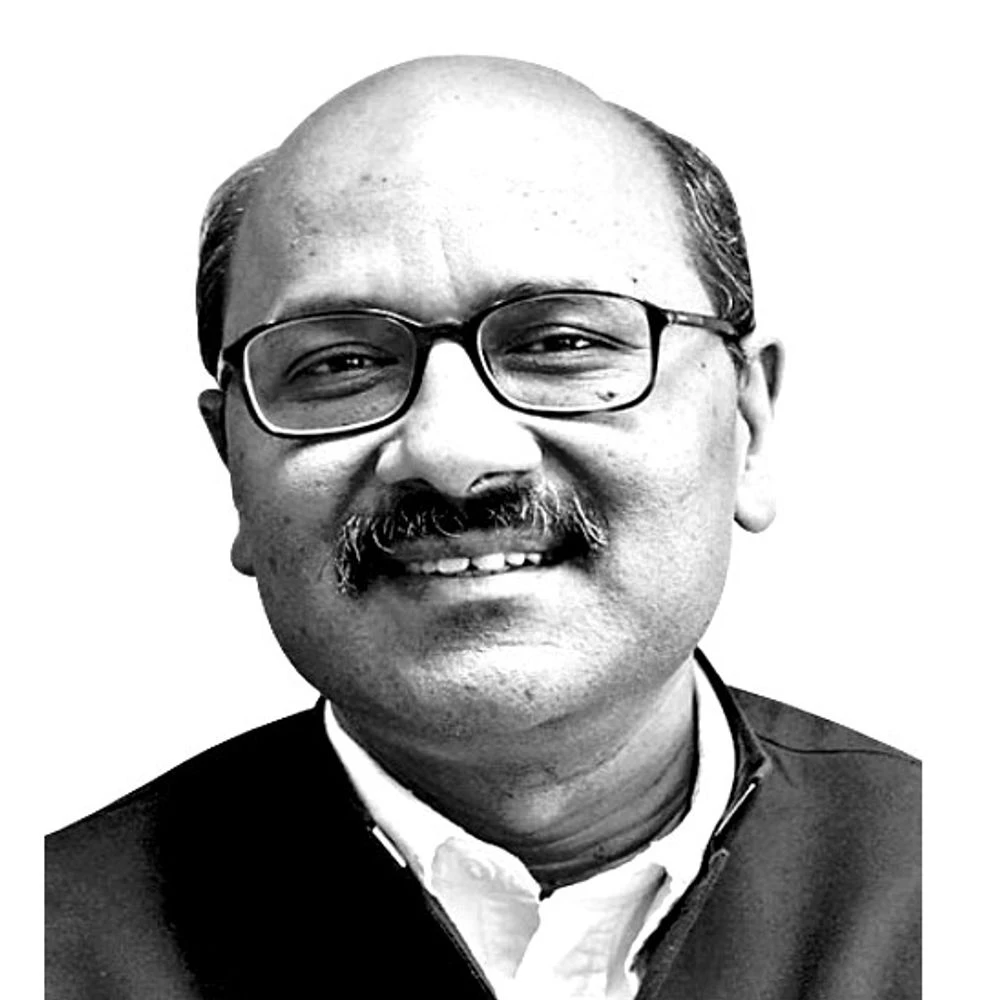
When the members of the Constituent Assembly were signing the official English text of the Constitution, President Dr. Rajendra Prasad also presented a Hindi translation of the Constitution before the House and requested the members to sign the same too. This move was inspired by the strong demand within the Constituent Assembly that the Constitution should not be in a colonial language, but in the language of the people.The moment reflected a broader constitutional ambition – one that respected India's many regional languages, acknowledged diversity, and envisaged a gradual move away from colonial linguistic dependence on English. Hindi was considered a beginning in this direction, not the only expression of this goal. Hindi was envisaged as the official language, but explicit safeguards were also taken for the continued use and development of other Indian languages. The Eighth Schedule granted constitutional recognition to fourteen regional languages; Article 345 empowered the states to adopt one or more languages spoken in the state for their official functions; And Article 347 gave the President the power to grant official recognition to a language spoken by a significant population of the state. The proceedings of the State Assemblies were to be held in the official language of the State and even in the Parliament, members were allowed to speak in their mother tongue. At the same time, English was retained as an official language for many constitutional functions. It remained the official language of the central government, with Hindi being the default language of Parliament and also the language of proceedings of the Supreme Court and High Courts, bills introduced in Parliament and other legislative documents. The Constitution itself was finally adopted in English – a decision that many members regretted. They were pacified by the assurance that English would remain only for a period of 15 years, after which it would cease to be the official language. Even after 76 years, this constitutional promise has been fulfilled only partially. Every serious attempt to move beyond English was either stalled or weakened or postponed. Over time, English ceased to be just an executive language, but the language of constitutional power. The High Court and the Supreme Court function mainly in English; Bills and laws are mostly drafted in English; And high-level official work is conducted almost entirely in that language.
This situation was not the result of a single decision or a well-planned plan. It stems from institutional inertia and political vigilance. Deep fears about linguistic majoritarianism—especially the fear of Hindi dominance—kept the reform efforts checked. English came to be seen as a neutral compromise-language, which did not privilege any one Indian language. When Prime Minister Lal Bahadur Shastri tried to replace English with Hindi as the sole official language, there was widespread opposition, especially in Madras. Two people self-immolated, one consumed poison and Hindi effigies were burnt. Today English has isolated constitutional authority from the linguistic majority and at the same time strengthened the reach of a limited, educated elite. Language determines who can read the law, who can understand it and who can engage meaningfully with constitutional institutions. The realization of justice is not limited to the right to access the courts; It also includes the ability to understand action, reasoning, and judgment. A Constitution, which the majority of citizens cannot read or use, becomes a mere document rather than a medium of participation. Unless constitutional institutions speak in the languages in which citizens live their lives, linguistic democracy will remain an unfulfilled constitutional promise. Even today, the judgments of the courts are mainly given in English.
(These are the authors' own views)

RSS News
Bhaskar
0 thoughts on “Arghya Sengupta and Swapnil Tripathi's column: Why is English still the language of government even after 76 years?”
Leave a Reply
Your email address will not be published. Required fields are marked *



RECENT NEWS
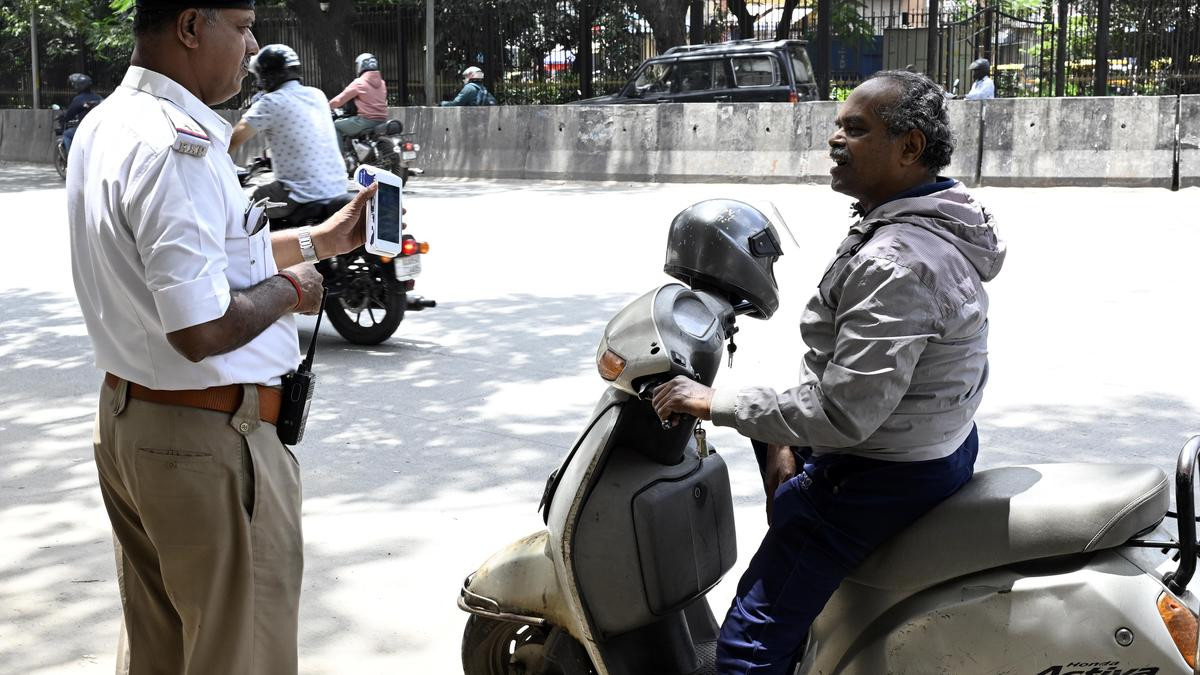
- Driving Licence suspension recommended for serious traffic violations in Karnataka
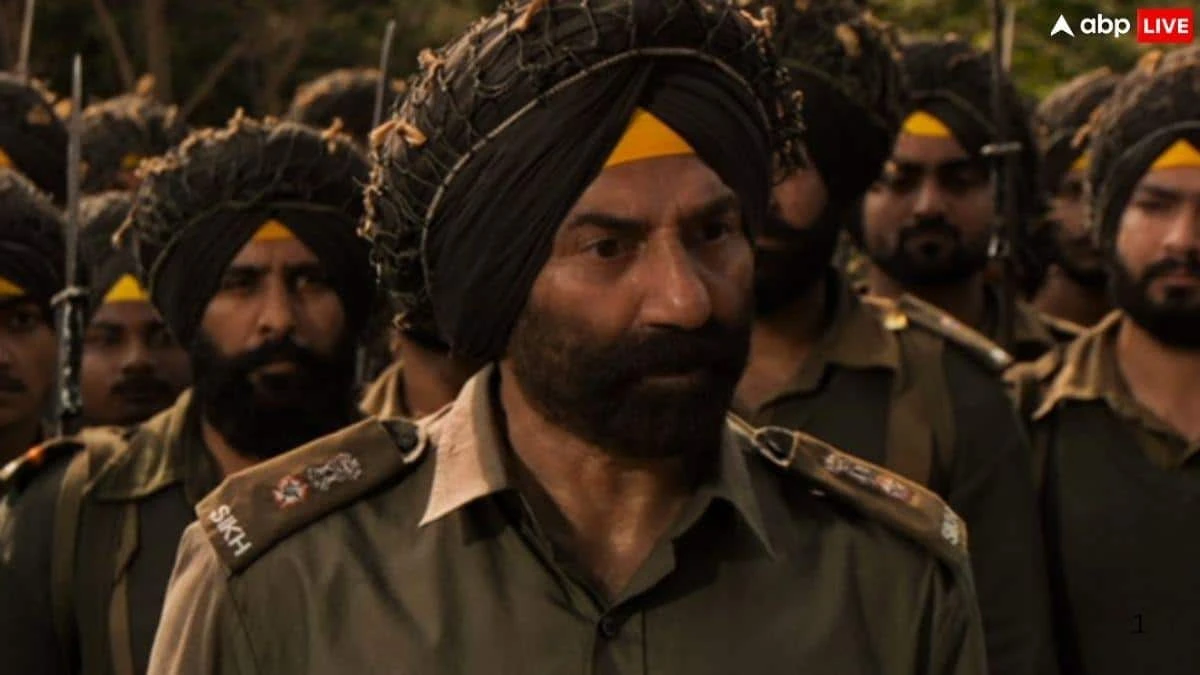
- Border 2 OTT Release: The OTT release date of 'Border 2' is creating a buzz in theaters! Know when and where you can watch?
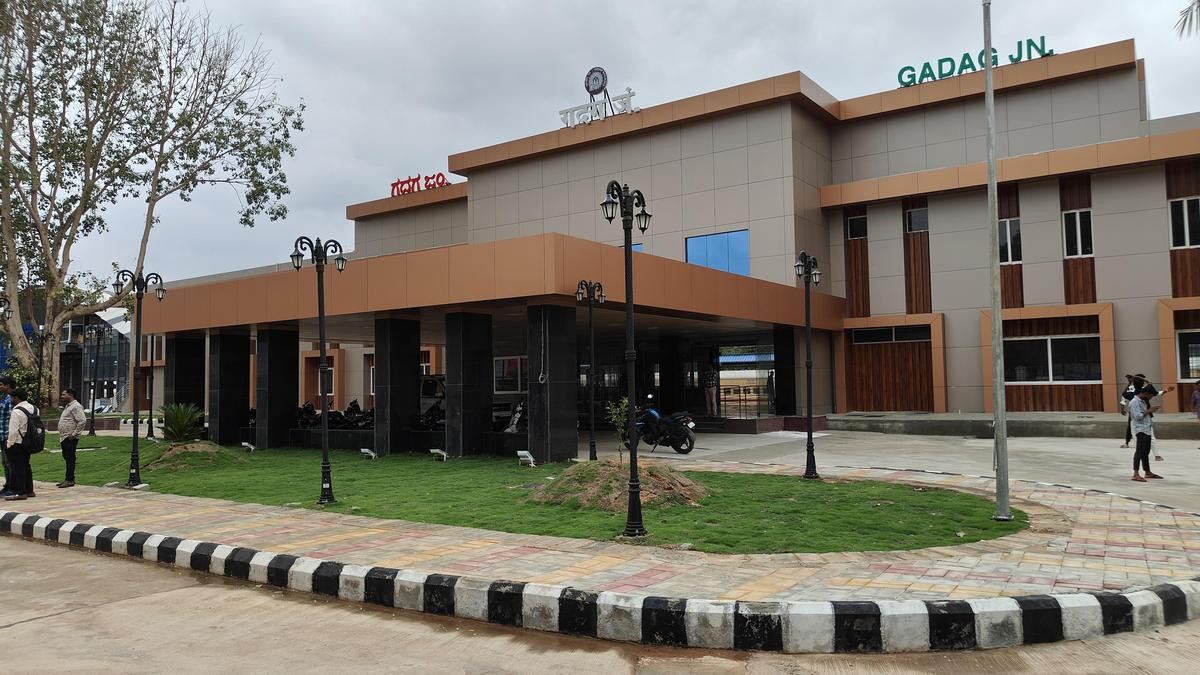
- ₹2,110 crore for redeveloping 61 railway stations in Karnataka
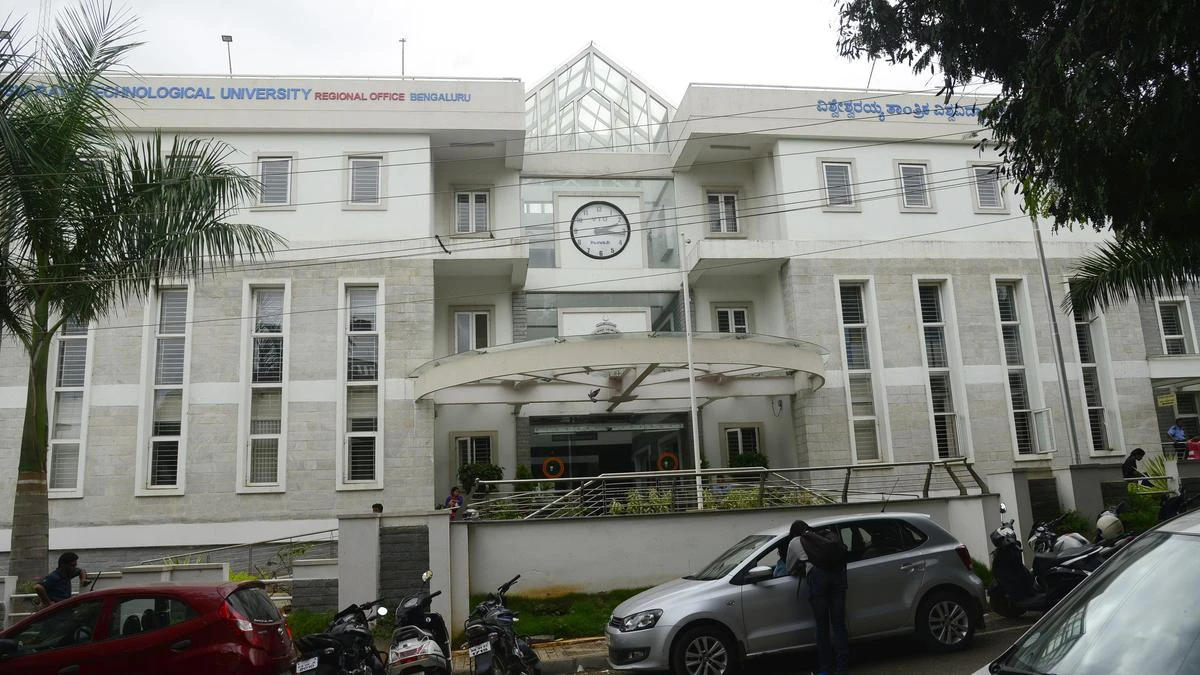
- VTU bewildered by applications by students for internship in hair care clinic, restaurant, defunct companies in Karnataka
- Arghya Sengupta and Swapnil Tripathi's column: Why is English still the language of government even after 76 years?