
Recently discovered a deadly fungus is spreading across the U.S. and its treatment options are limited. The first case of 'Candida auris' in the US was reported in 2013, and since then its cases have been increasing steadily. Last year, 3,348 confirmed cases were reported. The US is on track to surpass this number. The biggest concern about the spread of this fungus is in healthcare centers (hospitals and health centers). It spreads easily in healthcare centers and mostly affects people who are already very sick.
The speed of its spread in the U.S. is alarming
Candida auris and how dangerous is it?
The World Health Organization (WHO) describes Candida auris as a 'critical-priority fungal pathogen' (extremely important fungal pathogen), which can cause a variety of infections. White blood cells make 'reactive nitrogen species' (RNS) to kill microbes that enter the body, but this superbug fungus actively inhibits their production, which can lead to skin infections and serious, life-threatening infections (such as bloodstream infections).
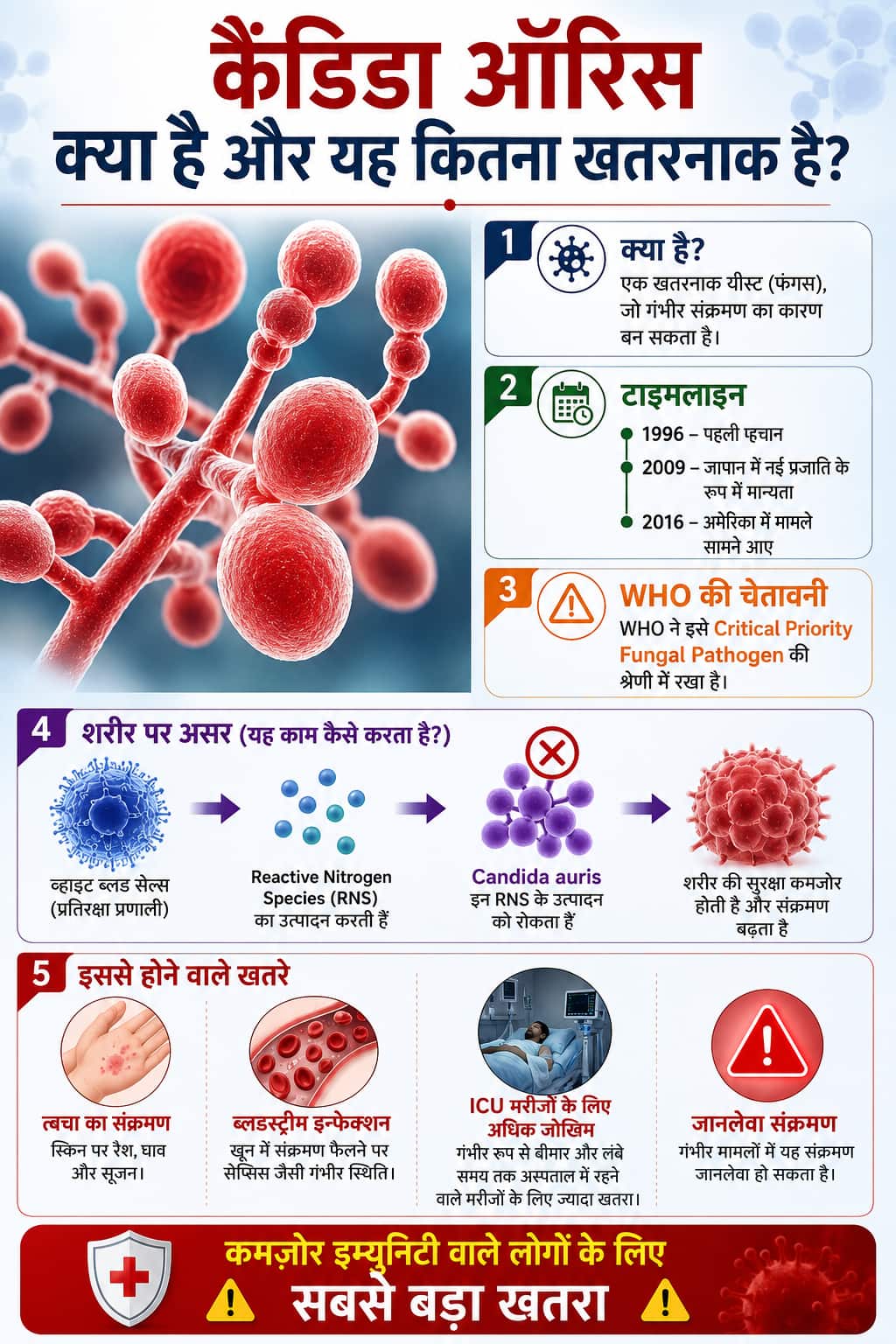
Candida auris poses a very low risk to healthy people. However, it is dangerous for people who have chronic or recurrent health problems. Doctors say that people who have blood cancers such as diabetes, leukemia and lymphoma, or whose immunity is weak, are at risk of getting C. auris infection. People who live or work in nursing homes or similar places, or who have frequent hospitalizations, may also be at risk of infection with this fungus.
The mortality rate from Candida auris is thought to be between 30% and 60%. Since most patients infected with Candida auris are already sick, when patients infected with Candida auris die, it is difficult to ascertain how much of Candida auris played a role in their death and how much of other pre-existing diseases were pre-
antifungal drugs do not work
According to the US health agency CDC, Candida auris is a dangerous fungus (yeast) that many antifungal drugs do not work on. It can cause serious infections and can even prove fatal for seriously ill people. The biggest concern is that it can be present in many people's bodies without any symptoms, increasing the risk of spreading it from one patient to another in hospitals and other health centers.
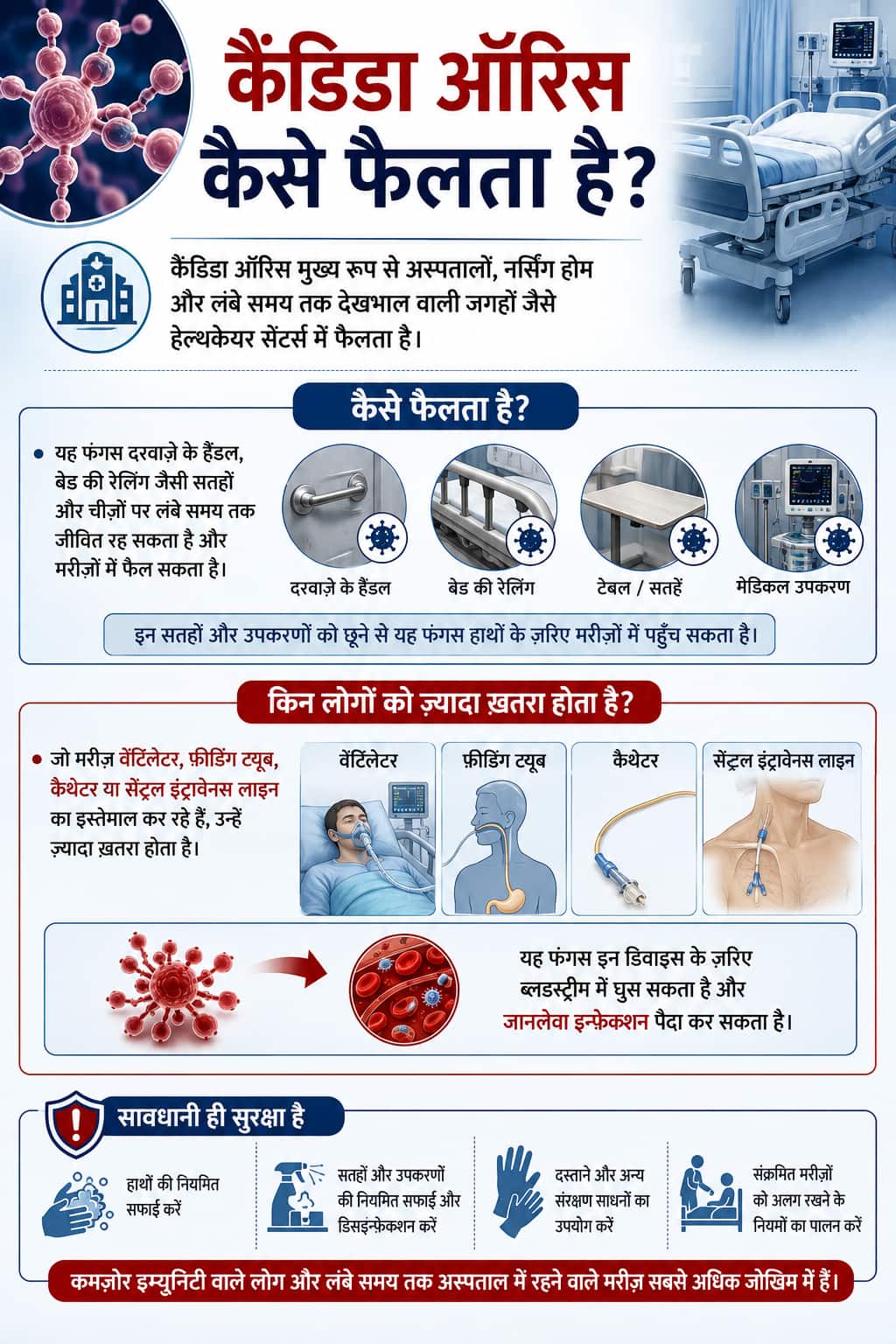
Candida auris spread?
-Candida auris is primarily spread in healthcare centers such as hospitals, nursing homes, and long-term care spaces.
-This fungus can survive for a long time on surfaces and things like door handles and bed railings and spread to patients.
-Patients who are on ventilators, Those using a feeding tube, catheter or central intravenous line are at a higher risk as the fungus can enter the bloodstream through these devices and cause life-threatening infections.
Candida auris?
Candida auris does not have any specific symptoms, making it difficult to identify. Some common symptoms include fever and shivering, but these symptoms are also seen in other diseases.

0 thoughts on “Xplane: Candida auris outbreak in 27 states of the US, how dangerous is this fungus, what are the symptoms”
Leave a Reply
Your email address will not be published. Required fields are marked *



RECENT NEWS
- Houthi militants attack Yemen and Saudi Arabia: 58 Yemeni soldiers killed, 11 wounded in Saudi Arabia; Fires broke out in many places
- 3 teachers and 3 students killed in school shooting after killing grandparents in Thailand; Later, he committed suicide
- Xplane: Candida auris outbreak in 27 states of the US, how dangerous is this fungus, what are the symptoms
- Six killed, several injured as student goes on shooting spree in Thailand school before shooting himself dead
- Meta ordered to pay USD 567 million to address kids' mental health amid CSAM content row in India