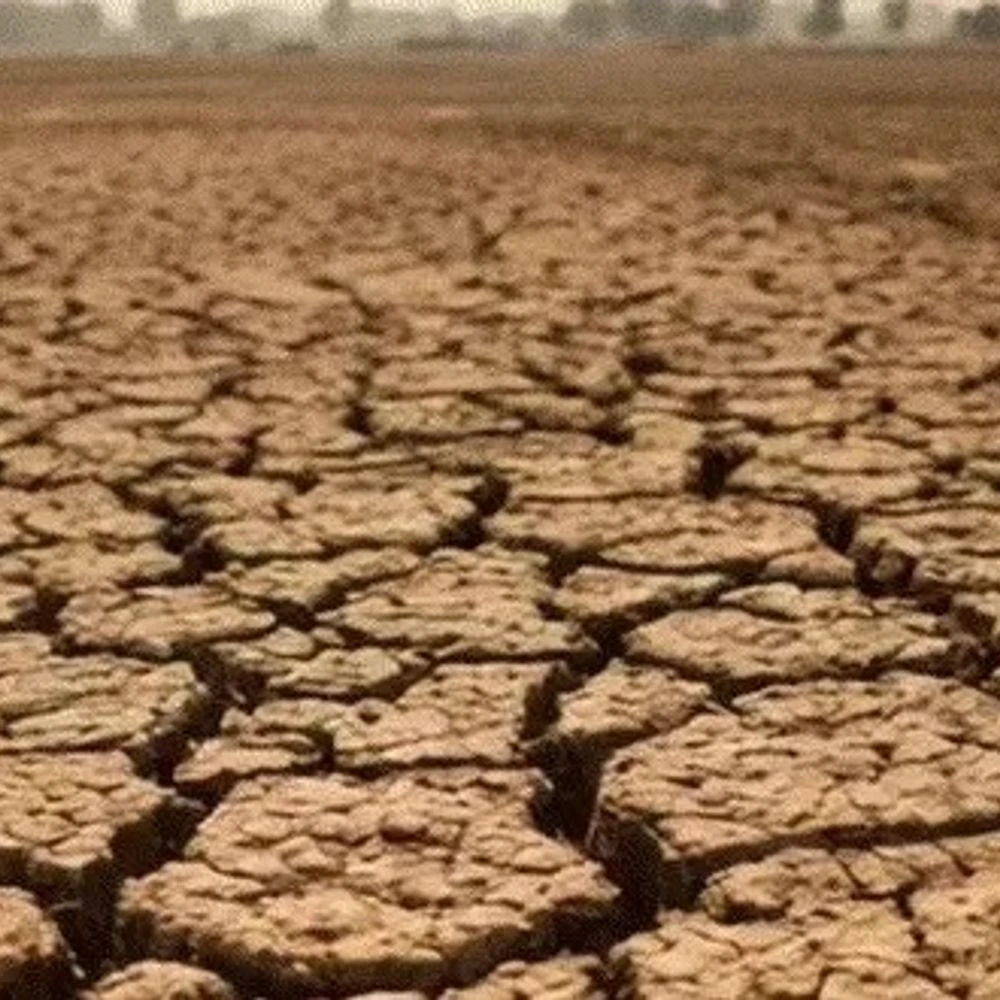
This time the monsoon was the 13th least rainy season across the country. This has been the lowest rainfall in the last 11 years. However, due to heavy rains before the end of the season, the rainfall deficit improved by 2.5%. The monsoon-2026 season ended with 12.6% less rainfall than normal. 43% of the districts of the country received 20 to 72% less rainfall. Punjab received the highest rainfall by 41%. While Rajasthan recorded a deficit of about 22%. Apart from this, 9 states also received below average rainfall. In eastern India, Odisha received 30% more rainfall than normal, while the northeastern states known for its rainfall recorded the lowest rainfall since 1901 this year. Possible departure of monsoon from across the country by October 10 The withdrawal of monsoon had already started from September 19. In the next two days, the monsoon will begin to withdraw from most parts of Jammu and Kashmir, Himachal Pradesh, Uttarakhand, Gujarat and Madhya Pradesh, besides the remaining parts of Rajasthan and Uttar Pradesh. It will also withdraw from some parts of Bihar, Jharkhand, Chhattisgarh and Maharashtra. However, heavy rains will continue in south India and northeastern states. According to the India Meteorological Department (IMD), the southwest monsoon will withdraw from the entire country by October 10. Last week's rainfall made up for a deficit of 2.5%. Before the departure of the monsoon, the last week of September received 50% more rainfall than normal. A week ago, the monsoon rainfall was 15% below normal, but by the end of the season, the deficit came down to 12.6%. Some weather system was active for 77 out of 122 monsoon days. Due to this, it continued to rain and the deficit was limited to 12.6% at the end of the season. Drought was feared before the start of the season due to El Nino, but barring one or two states, the situation was not so bad. Less rainfall in 282 districts 38% of the country's area, i.e., 282 districts received below normal. Meghalaya, known for excessive rainfall, also received 60% less rainfall than normal. As of September 24, 130 billion cubic metres (BCM) of water was available in 150 major reservoirs of the country. Their total storage capacity is 182.4 BCM. That is, the reservoirs are filled to about 71% of their capacity. However, the water volume is less than last year. El Nino impact can be partially compensated for the impact According to the ICICI Bank report, the Indian Ocean Dipole (IOD) index has reached the positive zone with 0.76. This may offset some of the adverse impact of El Nino that is strengthening in the coming days. However, El Nino still remains the main threat to the monsoon.

RSS News
Divyabhaskar
0 thoughts on “13th driest monsoon in the country: Punjab received 41% less rainfall, Rajasthan 21% deficit; Monsoon to withdraw from the country by October 10”
Leave a Reply
Your email address will not be published. Required fields are marked *



RECENT NEWS
- 13th driest monsoon in the country: Punjab received 41% less rainfall, Rajasthan 21% deficit; Monsoon to withdraw from the country by October 10
- India-UAE oil pipeline to be built in the Arabian Sea to Gujarat-Maharashtra
- What time is the ODI World Cup 2027 schedule announced today, will India and Pakistan be in a group?
- N. Raghuraman's column: What fathers once used to do spontaneously, schools are now doing scientifically
- IND vs WI: How much money did Shubman Gill get as a prize for a tumultuous innings of 223 runs?