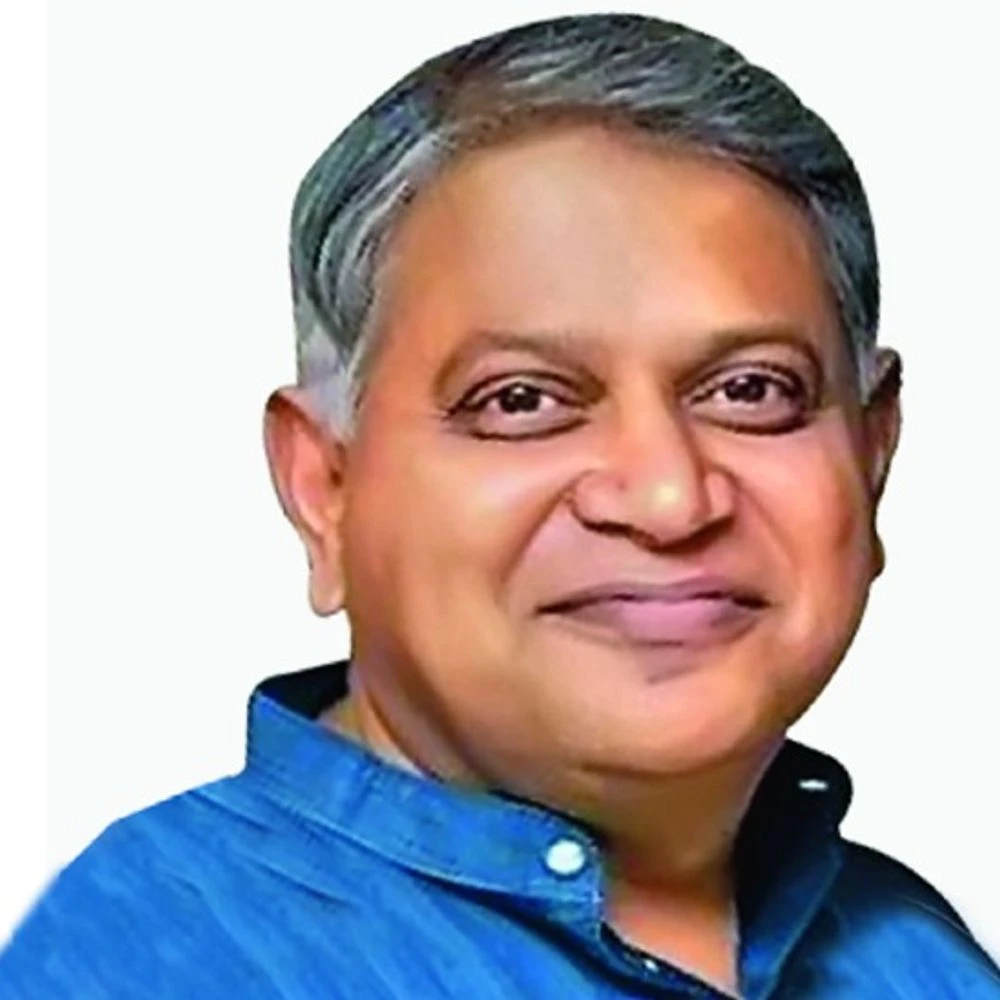
The problem of obesity has increased rapidly in India. Almost one in every three women in the age group of 15 to 49 years and more than one in every four men are overweight or they are obese. In line with our tendency to blame the West for all their problems, many people blame globalization, fast food and western lifestyle. While there are already enough ingredients in the Indian diet to increase our waist circumference; We do not need globalization for this. Chole-bhature has more calories than an Angus burger. We also like to eat jalebis after chole-bhatura. But despite being crispy and delicious, jalebis are just a storehouse of sweet syrup. Two medium-sized gulab jamuns can contain twice as many calories as a scoop of vanilla chocolate ice cream. A hundred grams of pudding can contain twice as many calories as a piece of cake. The only indirect connection between globalisation and our increasing obesity is perhaps that globalisation has contributed to economic prosperity and prosperity has increased both the size of our plates and the richness of our food. With increasing incomes, families are able to buy more food and consume more food and also consume what was earlier considered an occasional luxury. In India, this often means an increased intake of rich dishes, sweets, fried snacks and high-calorie food. But there is nothing western about samosas, pakodas, puris, bhatures, jalebis and gulab jamuns. Serving rice and wheat dishes in large quantities is characteristic of Indian cuisine. None of these things are unhealthy in themselves when eaten in limited quantities. But their increasing intake, increasing food intake and the habit of eating something frequently become the cause of obesity. Increasing mechanization has reduced the need for physical labor and reduced the calories consumed by our body. Dependence on vehicles instead of walking or cycling has increased. Mechanization of agriculture has also reduced manual labor. The expansion of the service sector and office work has pushed people towards jobs with relatively sedentary lifestyles. Home appliances have also reduced the physical exertion of everyday tasks. The result is higher calorie intake and less energy expenditure. Until a few decades ago, the concept of obesity was almost non-existent in India. If a friend or relative had gained weight, people would usually praise him by saying, 'You look healthy!' If someone had lost weight, we would ask, 'What happened? After all, these expressions developed in a time when getting enough food was considered a sign of good fortune. The real problem is that the lifestyle of Indians has changed dramatically from generation to generation, but the eating habits have not kept pace with them. Data from the National Family Health Survey shows that the problem of being overweight is more prevalent in rich states than in poorer states. Even within the states, affluent families are more likely to be overweight or obese. Unlike many western countries – where the problem of obesity is often seen more in the poorer population – the burden of obesity in India has historically been higher on the affluent class. However, it is now spreading rapidly to all income groups. There is a solution to this epidemic of obesity, but for this, we have to change both our lifestyle and diet. In western countries, people are increasingly resorting to dietary changes and physical activity as well as medicines to control obesity. India needs to take a similar path. It may be convenient to blame globalization, but it will not make us lose weight. Many people blame the obesity problem on the spread of globalization, fast food, and the western lifestyle. While there are already enough ingredients in the Indian diet to increase our waist circumference; We don't need globalization for these. (These are the author's own views)

RSS News
Bhaskar
0 thoughts on “Neeraj Kaushal's column: Western culture is not to blame for our waist girth.”
Leave a Reply
Your email address will not be published. Required fields are marked *



RECENT NEWS
- Yashasvi Jaiswal Century: Yashasvi Jaiswal returns to form, hits century in New Zealand ahead of Test series
- Temperature in Kedarnath minus 8°C: Temperature drops to 8°C in UP, thunderstorm alert in 23 districts of MP; AQI 278 in Delhi
- Kurnool Municipal Corporation Election Result 2026 Live: Counting begins; early trends to follow
- Cyclone 'Murasu' hits Andhra coast: Winds gusting up to 120 kmph, 1.6 lakh people evacuated to safer places in Odisha; 30 flights cancelled
- Neeraj Kaushal's column: Western culture is not to blame for our waist girth.