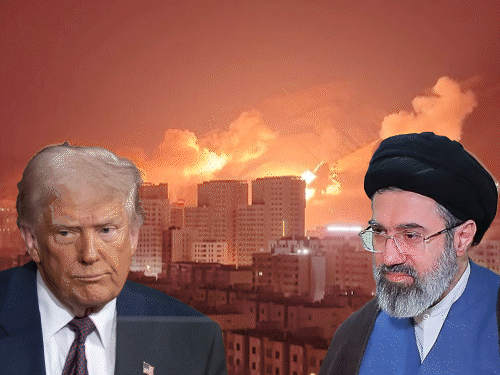
It has been two months since the war between the US and Iran began on February 28, US President Trump called it a small and decisive war, but now the situation is looking reverse. The war has certainly stopped, but it is not over. More than 3,600 Iranians have been killed in the war so far, including more than 1,700 civilians. International Monetary Fund (IMF) chief economist Pierre-Olivier Gorinshas has warned that if the conflict lasts longer and oil prices remain high, the global economic growth rate could fall to around 2%, which is commonly considered a global recession. The IMF said that before the war, it was expected that global inflation would come down to 3.8% from 4.1% this year, but now it is projected to reach 4.4%. Harvard economist Linda Bilms estimates that the United States has spent about $ 1 trillion (Rs 95 lakh crore) on this war. However, the US government has said it will spend $ 25 billion. On the other hand, China and Russia are benefiting from this war. China and Russia are in a strong position from this war. China already had oil reserves and had been looking at alternative energy for decades. At the same time, the weakening of America's image has given it a diplomatic advantage. China's oil and gas companies are also making profits. According to CNN, 6 big companies can make a profit of up to $ 94 billion this year. In addition, the Russian economy seems to be benefiting from this war. Russia's earnings have risen due to high oil and fertilizer prices. Also, when oil prices were rising rapidly, the United States eased sanctions on Russian oil in the sea for a while to increase supply, which benefited Russia more. According to the International Energy Agency (IEA), Russia's energy revenues nearly doubled to $19 billion in March, from $9.75 billion in February. The Iranian government has also stepped up its crackdown on internal opposition. More than 600 people have been hanged since the beginning of the year. The internet has been shut down in the country for eight weeks and the economy has also been badly affected. As a result, jobs are being lost and poverty is increasing. According to the report, Israel has occupied about 15% of Lebanon and wants to maintain this area as a buffer zone until Hezbollah is weakened. Senior journalist Nora Boustani says that the biggest fear of the Lebanese people is that a part of the country could again be under foreign occupation for a long time. The area mainly extends from the border to the Litani River. The Lebanese people have been embroiled in a decades-long conflict between Hezbollah and Israel. A ceasefire lasted until February, but the situation deteriorated after Israel killed Iran's supreme leader, Ayatollah Ali Khamenei. Hezbollah then launched attacks on Israel. In response, Israel launched heavy air strikes and ground operations on Lebanon, which it said were aimed at eliminating Hezbollah. According to Lebanon's health ministry, more than 2,500 people have been killed in these attacks since March 2. Satellite imagery showed that Israel was adopting the same strategy it had previously adopted in Gaza. That is, to destroy entire villages. The situation is so bad that nearly 600,000 people have been forced to flee their homes in southern Lebanon. Israel has made it clear that these people will not be allowed to return home until the threat to northern Israel from Hezbollah ends. Impact on the economies of the Gulf countries Many countries in the Gulf have also been affected by this war. The UAE has been the most affected. Iran carried out the most missile and drone attacks here. Although most of the attacks were prevented, there have been heavy losses and have damaged the UAE's image as a major business and tourism hub. Iran's closure of the Strait of Hormuz has had a devastating impact on the economies of Iraq, Qatar and Kuwait. These countries depend on this route for their oil, gas and other supplies. The International Monetary Fund (IMF) has also lowered its economic growth forecasts for these countries and believes that the economies of Iraq, Qatar and Kuwait may contract this year. Petrol, air tickets and many services have become expensive in the United States due to the war, as companies are now adding fuel surcharges to prices. The inflation rate has risen from 2.4% in February to 3.3% in March, and people's confidence is rapidly declining. According to the Brookings Institution, the U.S. economy is largely dependent on oil. However, investment in renewable energy (e.g. solar, wind) is still low and this is now becoming a weakness. The global growth rate has slowed down from 3.3% to 3.1%. The IMF has also lowered its global growth projections. The world economy is now expected to grow at 3.1% this year, compared to 3.3% in January. Fertilizer prices have also increased sharply. In countries where people are more dependent on agriculture and spend a large part of their earnings on food, the impact of this inflation is more direct. Trump's popularity plummeted over the state of the war The war was a big bet for Donald Trump. He promised to end it soon, but so far neither Iran has bowed down nor the war is over. The CNN survey revealed that their popularity has also dropped to 37%. Israeli Prime Minister Benjamin Netanyahu initially had a strategic advantage, but now even there people believe that victory in the war is not clear. Iran's power has also suffered, but the new leadership appears to be more aggressive. At the same time, by showing control of the Strait of Hormuz, Iran has shown its ability to exert global pressure. ---------------------- also read this news... The US has decided to withdraw 5,000 troops from Germany, the German chancellor said. According to the US Department of Defense, this process will be completed in the next 6 to 12 months. The move comes directly after a verbal scuffle between US President Donald Trump and German Chancellor Frederick Merz. Read the full story...

RSS News
Divyabhaskar
0 thoughts on “2 months of Iran war, global recession: US spends Rs 95 lakh crore, more than 3,600 deaths in Iran; China-Russia gains”
Leave a Reply
Your email address will not be published. Required fields are marked *



RECENT NEWS
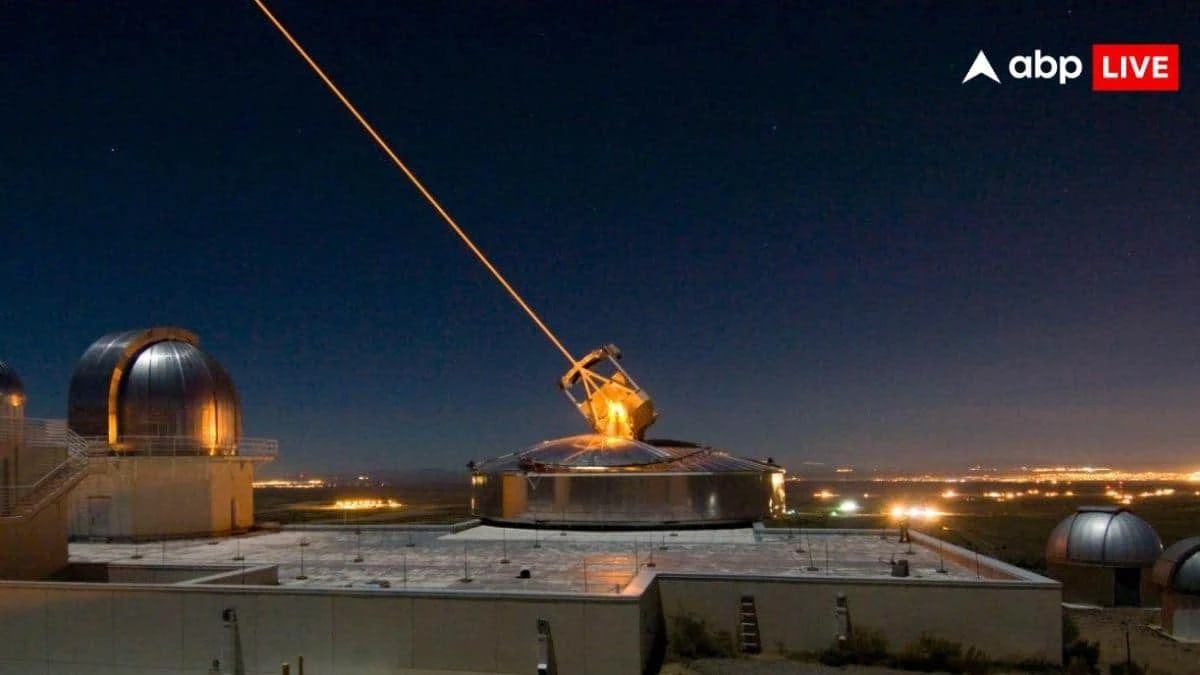
- Israel sends a weapon to destroy drones by steaming drones, know what is the Iron Beam Laser Weapon
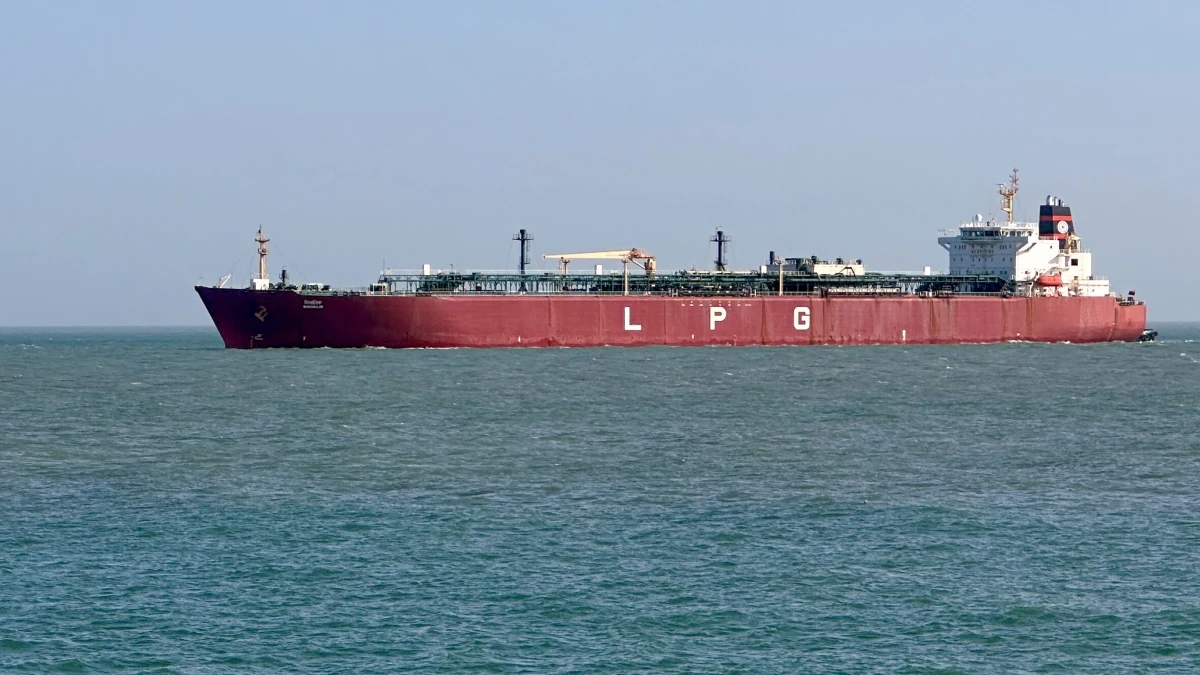
- India-bound LPG carrier, with 18 Indians aboard, crosses Hormuz, likely to arrive in Vizag on May 13
- Humans and animals will not be able to produce children in the future, scientists warn of 'silent fertility crisis'
- 2 months of Iran war, global recession: US spends Rs 95 lakh crore, more than 3,600 deaths in Iran; China-Russia gains
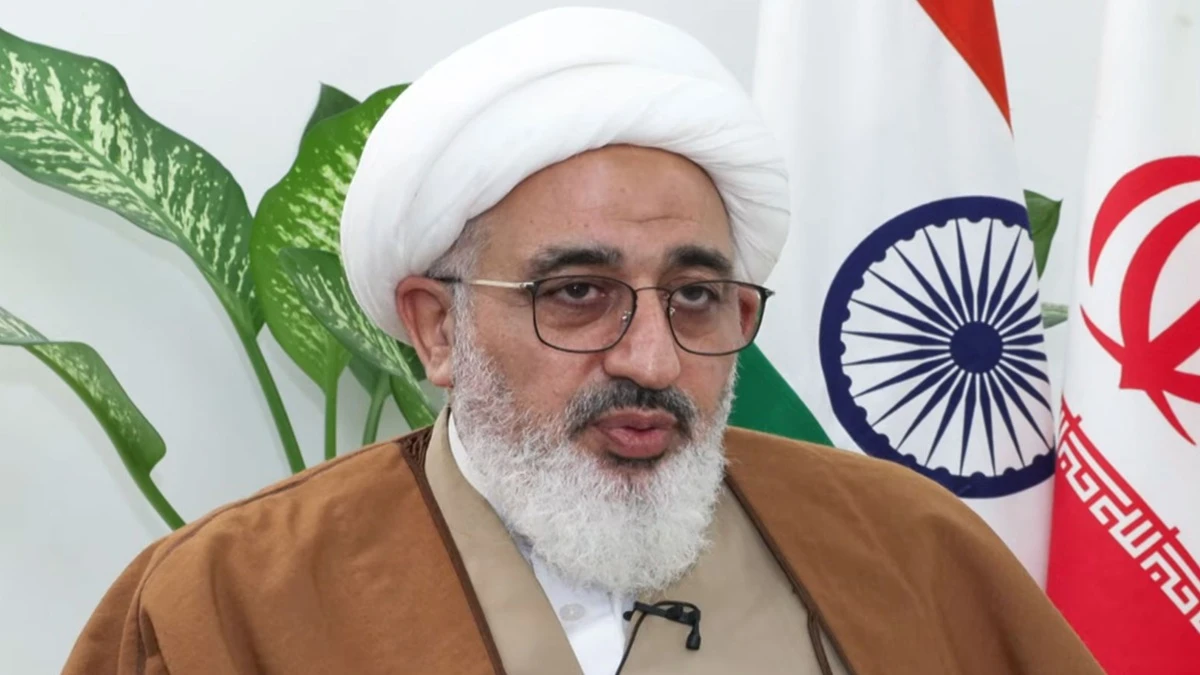
- Iran did not want war, but was compelled to respond amid attacks: Supreme Leader's envoy in India