Please don't curse my habits. I am a man of old thoughts. Even in window shopping, I first see the price tag, then enjoy the product. Last week, while waiting for someone at a mall in Mumbai's Ghatkopar, I went to Smart Bazaar. As soon as I entered, I was greeted by things related to the kitchen and bathroom, such as phenyl, dish washing soap, liquid, and other detergents. I picked up a bottle of phenyl and was shocked to see the price. The price of that branded phenyl bottle was Rs 307. I immediately called home and asked for the price printed on the old phenyl bottle. The old price gave me an even bigger shock. It was only 199 rupees. I have in mind noted down the prices of all the cleaning products whose main components are made from petroleum chemicals or naphtha derived from crude oil. Taking my eyes off the products, I looked at the people in the big store. Not only me, but most of the people who came to collect the monthly ration were surprised about the prices. I saw a similar behavior in them. Due to the increasing pressure on the budget due to the increase in prices, most customers are willing to leave their favorite brand and take the cheaper option kept on the same shelf. Rising prices are changing not only the way we middle class spend, but also the way we spend what we want to spend on. Younger women and low-income customers were more willing to give up brand loyalty. A woman was telling her husband that since the price of biodegradable bags made from naphtha has doubled, they will use paper bags for online shopping for waste. Although very few people were changing their preferences in personal care products, almost everyone in cleaning products was not hesitant to buy lesser-known brands. On my way home, I spoke to the owner of a private university, which has medical and nursing colleges as well as other institutions. I hesitantly shared my simple discovery with him. There was an enthusiasm in his voice, as if I had found a solution to his big problem. They put me on hold and called the head of the pharmacy department from another phone and asked him to make an alternative to phenyl and other cleaning products used in the university. In fact, lakhs of rupees are spent every year on many cleaning products, including washing powder and liquids used in hostel canteens. I heard the head of the pharmacy department suggest that a mixture of sodium sulfate, SLES (sodium lauryl ether sulfate) and water could come in handy in large complexes. Add isopropyl alcohol as a disinfectant to it, then the floor dries quickly and bacteria also die without expensive branded phenyls. A simple disinfectant can be made by mixing pine oil, water, and emulsifier. It offers the same familiar fragrance and cleanliness at a price much lower than Rs 307. It suddenly reminded me of my childhood when we used Reetha, which is a 100 per cent natural alternative to chemical surfactants. We used to boil seedless lemons or lemon peels with reetha, vinegar and sea-salt to make a powerful dish washing liquid that removes grease. My mother used to mix a small solution of white vinegar, water, and dishwashing soap to make an effective spray to clean kitchen counters, tiles and floors. The problem is that not only for big industries, but also for ordinary families like ours, the expenses of running are increasing. We all have to find ways to cut them and keep the budget balanced. Write to me and tell me how you manage your expenses.

RSS News
Bhaskar
0 thoughts on “N. Raghuraman's column: Cutting costs and operating expenses should be considered in difficult times”
Leave a Reply
Your email address will not be published. Required fields are marked *


RECENT NEWS
- Morning News Brief: Kokroch Janata Party to hold nationwide protests, monsoon entry in Gujarat around June 15; Vaibhav became the youngest cricketer in the Indian team
- Rohit Sharma's reaction to changing T20 captain, says Suryakumar Yadav - Anything...
- Now Indian cricketers will not be able to play in leagues after retiring, BCCI's new rule will blow the senses
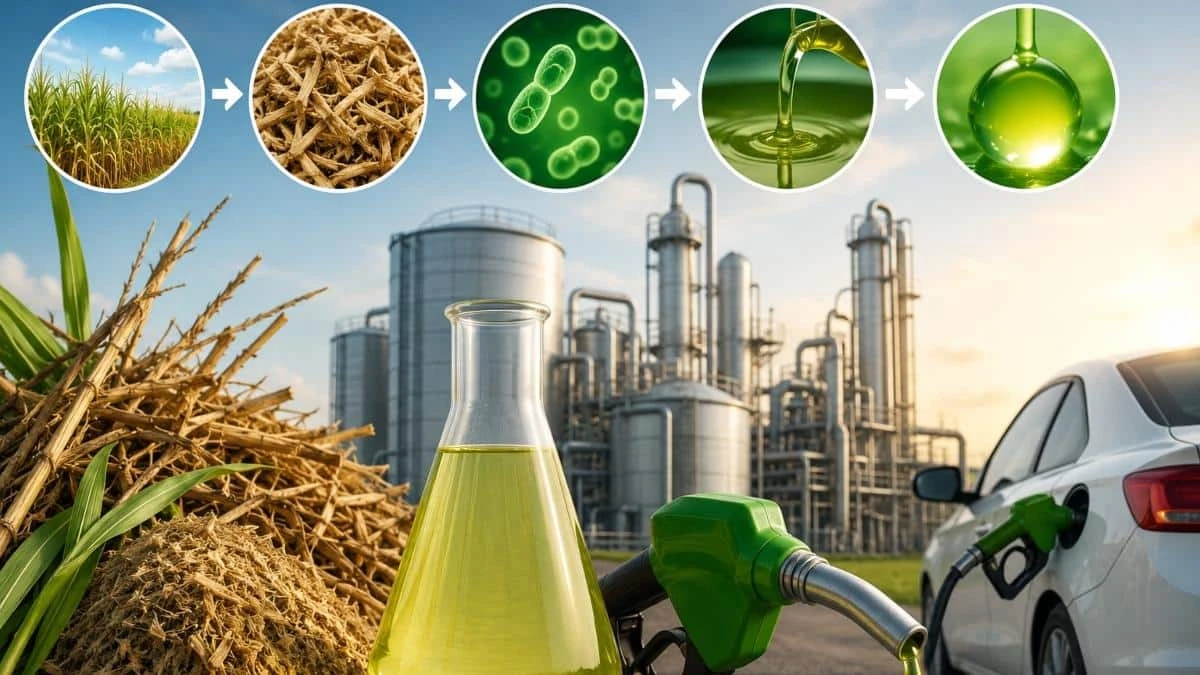
- New fuel will be made from farm waste! Know what is 2G ethanol technology and in which areas it will be useful
- ‘Scary Movie 6': Where was the new horror comedy film made?