What we commonly call AI is actually a set of data-based systems (DS). These technologies are transforming every aspect of human life. New business models are growing and rebuilding entire economies. Over time, these promise to create new jobs, increase productivity, and enhance cognitive abilities. But along with these advantages, the digital revolution and this proliferation of DS are also disrupting the labor market, education and professional training. The results are clearly visible – risky working conditions created by algorithm-based platforms, declining wages and a growing imbalance between the needs of the economy and the training of workers. All of this raises the fundamental question: Will the increasing use of AI render paid or waged professional work irrelevant? We are often told that technological leaps have created fears of mass unemployment every time and every time they have been proven wrong. But this historical pattern may no longer work. Broadly speaking, the technologies of the past were developed to make human labor more efficient or less physically laborious. In contrast, AI is hell-bent on removing humans from the value-chain. Unlike previous technological revolutions, AI systems are not limited to simple or low-skill tasks. These are also growing in fields that were once involved in human specialty, such as medicine and surgery, legal analysis or creative creation. Today, the expansion and speed of AI are challenging the belief that technological innovations always create more jobs than they ever do. In fact, there is no historical law that guarantees that technological change will inevitably lead to more paid work for humans. On the contrary, the emerging evidence suggests that AI is eliminating entire professions at a much faster pace than new jobs are being created. Believe me, less work time and more free-time aren't necessarily bad. A society free from excessive labour can be more creative. The danger is not from the end of the work, but from the things that end with it. For example, salary, tax base that works in the public interest and recognition, sense of purpose, identity and camaraderie between the people who work together. When fewer people are needed to create economic value, policymakers must acknowledge the impact of AI on the labour market. At stake, in such a situation, is the commitment of the countries, in which the emphasis is on creating more and more jobs. To ask people to be efficient in a job-market that has lost its existence is to blame these changes on people who have no control over them. What is needed is a policy framework that is commensurate with the magnitude of this change. In such a situation, we have to adopt the 'Society, Entrepreneurship and Research-Time' (SERT) model, which separates income from work, but not unconditionally. It aims to meet the requirements of human existence with a life of dignity and human rights. But if the world allowed AI to displace human labor without a collective response, it would increase inequality and injustice. This will lead to political instability and weaken the social fabric. The expansion and pace of AI are challenging the belief that technological innovations always create more jobs than they do. On the contrary, today AI is destroying entire professions. (@प्रोजेक्ट Syndicate)

RSS News
Bhaskar
0 thoughts on “Peter Karschlager's column: The question of working is linked to the dignity of human existence”
Leave a Reply
Your email address will not be published. Required fields are marked *


RECENT NEWS
- Morning News Brief: AI Video Rules, Proposal to Remove Speaker Birla, Threat to Ranveer Singh's Life; No smell from soap at Ahmedabad airport, intoxication
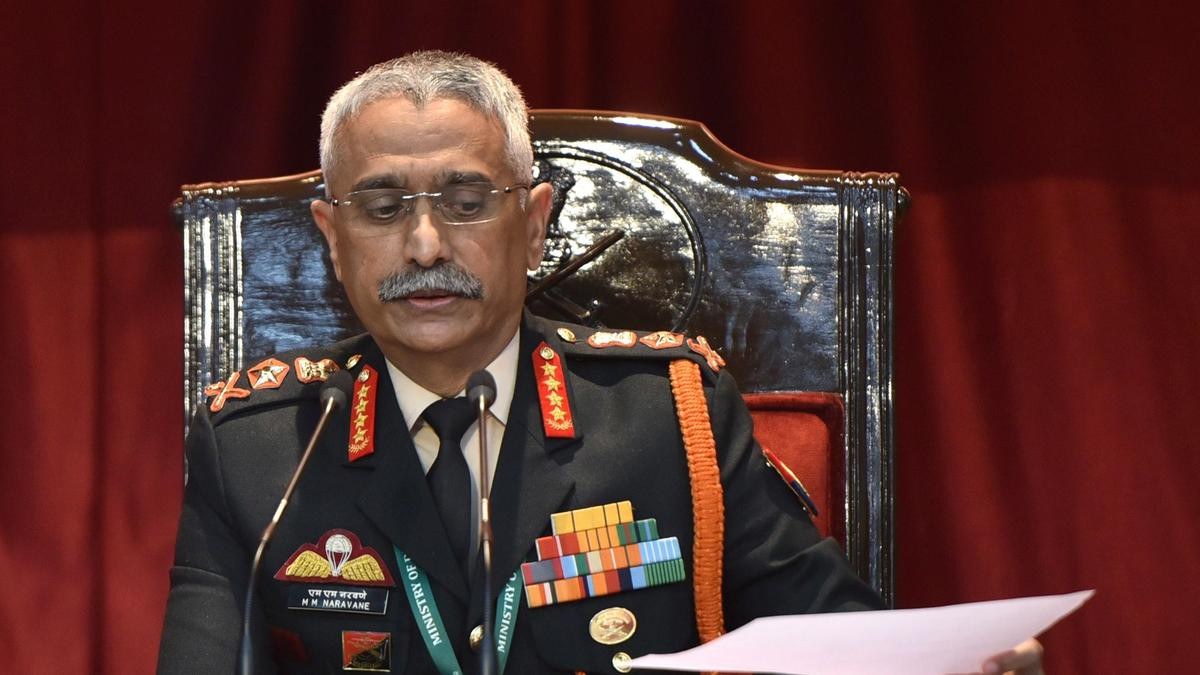
- Former Army General Naravane confirms Penguin’s claim that memoir is as yet unpublished as Delhi Police file FIR
- Pakistan took revenge for 2024, after Babar-Farhan, Usman Tariq broke down as a havoc on USA, won the match by 32 runs.
- FIIs trim, DIIs take the wheel
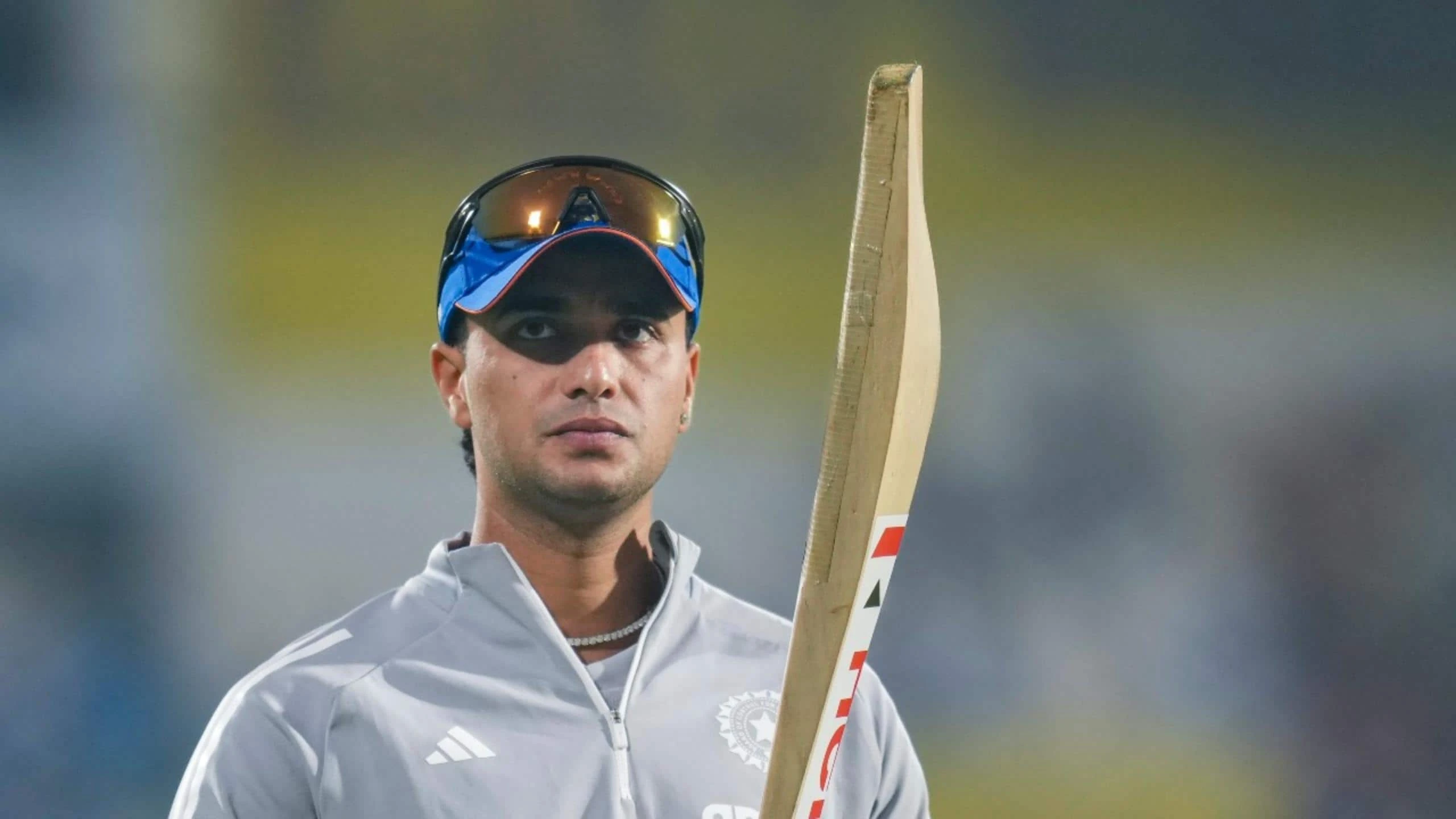
- Team India's star opener Abhishek Sharma has fallen ill, bad news came from the Indian camp amid the T20 World Cup.