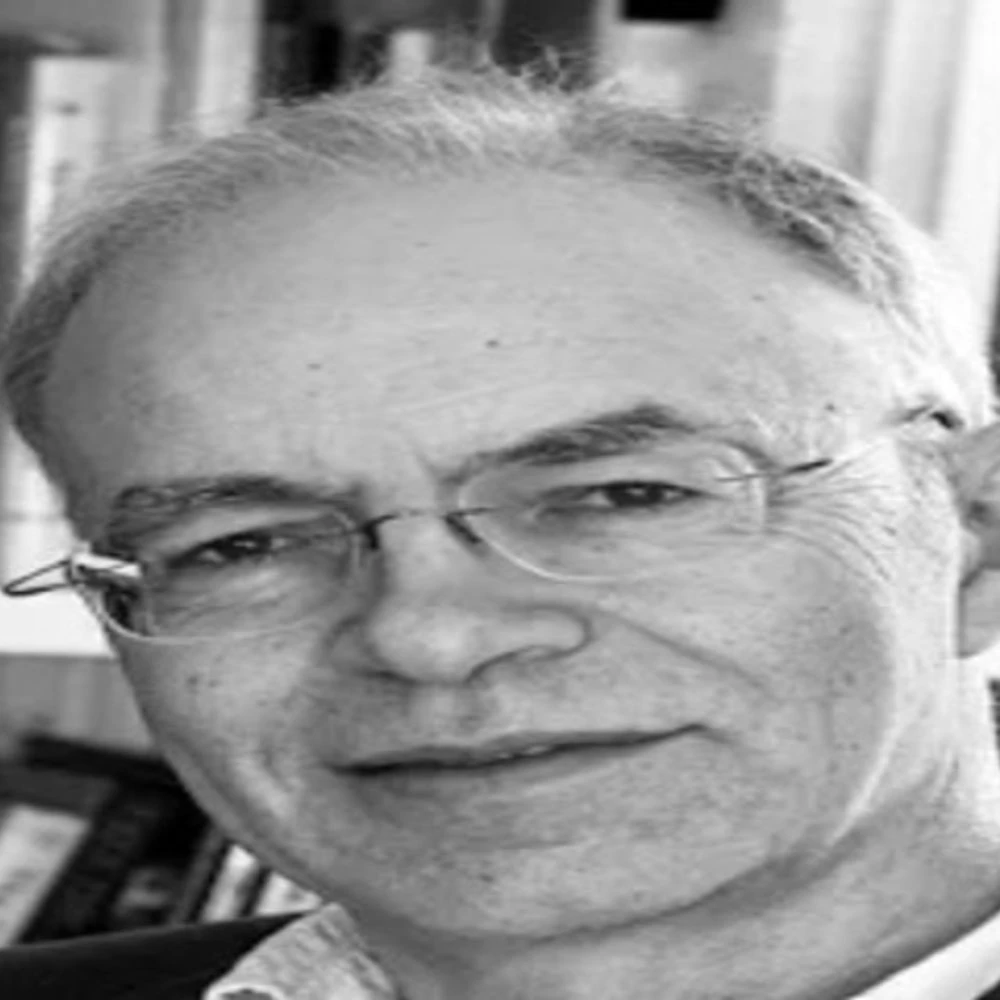
In 2025, three people, including two children, died of measles in the US. These deaths could have been avoided. Last year, 2267 cases of measles were confirmed in the US, more than seven times the 285 cases in 2024 and the highest in the last 30 years. All these matters could have been avoided. So why didn't it happen? Robert F. Kennedy Jr., who was appointed secretary of the US Department of Health and Human Services last February, has been pushing baseless theories linking vaccines to autism for the past two decades. He claimed that the vaccine has "poisoned an entire generation of American children." It was because of his irresponsible statements that the vaccination rate in the US decreased and as a result, the cases of measles increased rapidly. As soon as he took office, Kennedy removed veteran scientists from a key vaccine advisory committee and replaced them with anti-vaccines. It also withdrew funding for mRNA vaccine development. This is the same technology that made it possible to rapidly manufacture highly effective vaccines against COVID-19 and saved millions of lives. Kennedy suggested taking vitamin A as an alternative to measles vaccination. After this, some parents in Texas gave so much vitamin-A to the children that they started showing signs of poisoning. The problem of turning away from scientific standards for public health is not unique to the United States. In Slovakia, Prime Minister Robert Fico appointed orthopedic surgeon and anti-vaccine activist Peter Kotler to investigate the handling of the pandemic. In the October 2024 report, Kotlar described Covid-19 as an 'Act of Bio-terrorism'. Without any evidence, the report also claimed that mRNA vaccines alter human DNA. In a free society, people can have unfounded opinions about the vaccine, scientists can refute them, and public health officials can examine the evidence and take appropriate action. It is only in rare cases that ideas that come against the scientific consensus prove to be true. Vaccines are one of the most tested medical interventions in history, yet people like Kennedy call for more studies. In support of their claims, they also accept anecdotes, selective statistics and conspiracy theories about pharmaceutical companies as true. When vaccination coverage falls below the required threshold, 'herd immunity' – that is, the protection of vulnerable populations due to high vaccination rate in the general population is lost and preventable diseases also return. We have already understood this from historical precedents and from the examples of Romania and Canada, where measles was considered eradicated. During the communist regime in Romania, vaccination was compulsory and measles was eradicated. The fall of Ceaușescu's dictatorship brought independence and membership of the European Union improved people's living standards, but some vaccinations were made voluntary. As a result, by 2023, the measles vaccination rate in Romania had dropped from 95% to 62%. In 2024, more than 30,000 cases of measles were reported there, including 23 deaths. Some officials say they are respecting individual freedoms. But this freedom cannot be given at the risk of harming others. Refusal to get vaccinated is exactly what to do. When the authorities make policies on unfounded assumptions about the vaccine, the people have to bear the brunt. That's what happened in Texas. The onus lies with those who have the power to make health policy.
(@प्रोजेक्ट Syndicate)

RSS News
Bhaskar
0 thoughts on “Peter Singer's column: What will happen if responsible people do unscientific things?”
Leave a Reply
Your email address will not be published. Required fields are marked *

RECENT NEWS
- Jamiat Ulama-e-Hind, AIMPLB slam MHA's 'Vande Mataram' mandate as assault on faith and Constitution
- 'Incorrect and speculative': AAIB refutes Italian report claiming AI171 pilot 'intentionally shut fuel switch'
- OPINION | Allegations need proof, abuses don't
- Brazilian President Lula da Silva to visit India from Feb 18-22, attend AI Summit in Delhi
- Govt clarifies on revised US factsheet on trade deal: 'Amendments reflect shared India-US understanding'