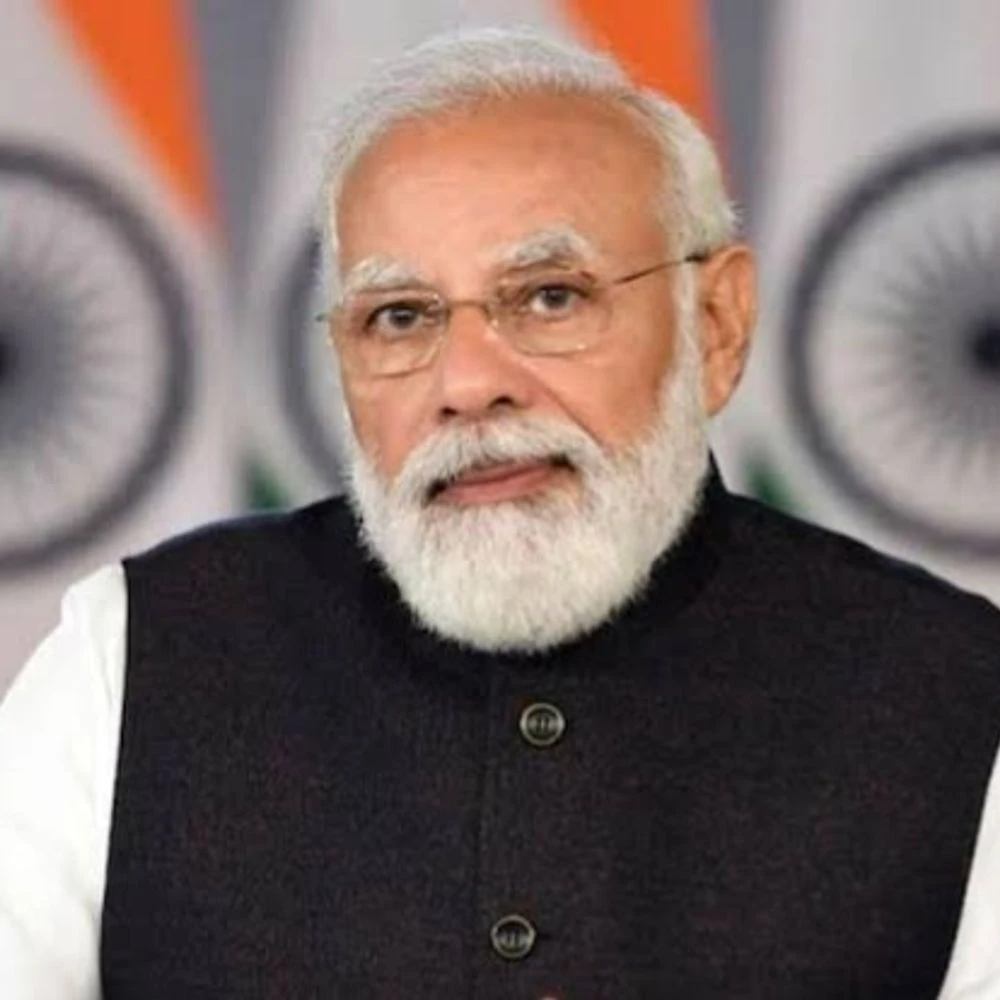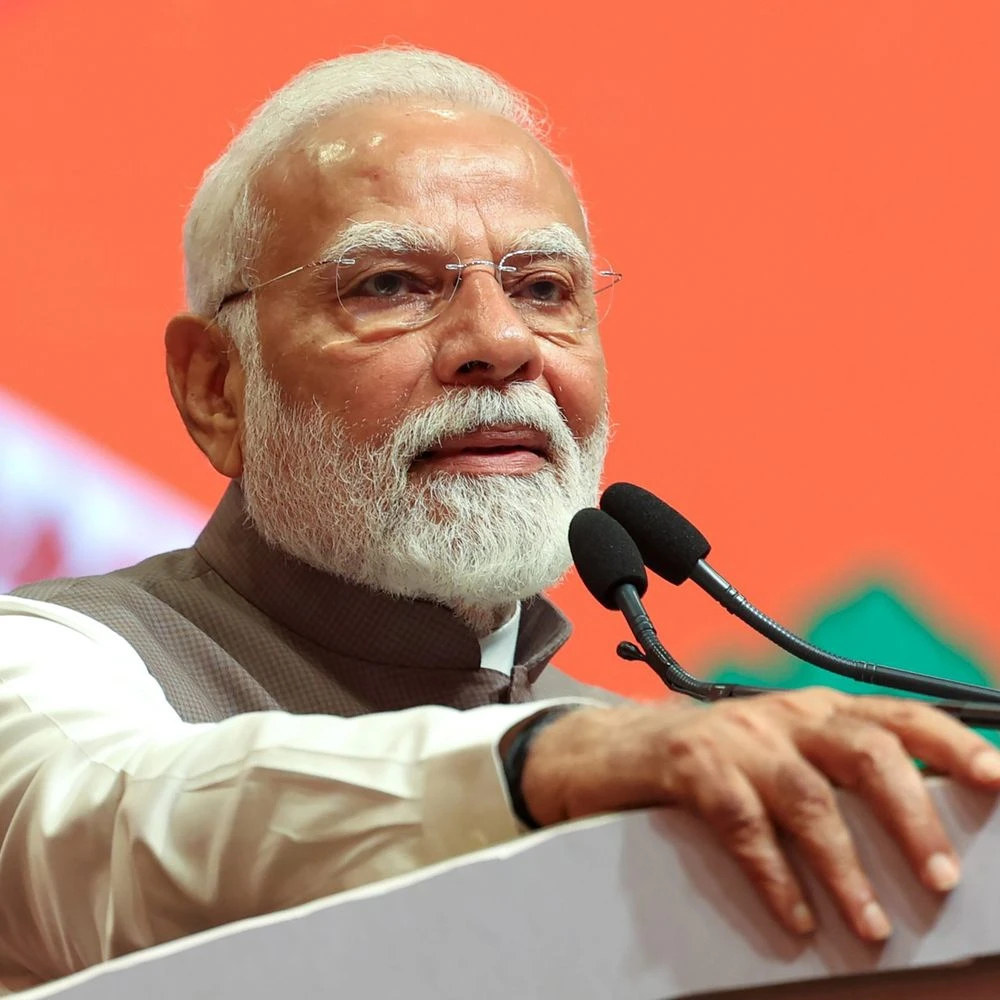
PM Modi will inaugurate the India Renewable Energy Summit and Expo 2026 on Monday. The four-day summit will be held from 2nd to 5th November 2026. Its theme is 'Invest, Innovate, Inspire'. Modi will attend the programme at Bharat Mandapam in New Delhi at around 4:30 PM. Representatives from more than 130 countries are expected to attend the summit. It will also have more than 40 ministers. In addition, representatives from investors, financial institutions and industry will participate. Australia, Denmark, European Union, France, Germany, Netherlands, Norway, Sweden and UK will participate as country partners. 13 States and Union Territories will be demonstrating their renewable energy capacity. These include Andhra Pradesh, Assam, Bihar, Chhattisgarh, Delhi, Gujarat, Karnataka, Madhya Pradesh, Maharashtra, Odisha, Rajasthan, Uttar Pradesh and West Bengal. What is India's renewable energy capacity, what are the challenges ahead; 5 Q&A: What is renewable energy? Answer: Energy sources from which electricity can be generated frequently and which are naturally recycled are called renewable energy. Such as:
- Solar energy from sunlight.
- Wind energy from wind.
- Hydro power from water.
- Bioenergy from bio-waste and agricultural residue. Question: Why is this summit important for India? Question: What is India's renewable energy capacity? Answer: The total installed capacity of renewable energy (solar, wind and other renewable sources) in India is about 299.25 GW (GW). This includes 171.05 GW of solar energy capacity, 59.20 GW of wind energy and 52.06 GW of large hydro projects. On an average, about 85.57 crore units of electricity are generated from solar, wind and other renewable sources per day in the country. Question: Does 300.50 GW mean that India is generating so much electricity every day? Answer: No. It means that the total installed generation capacity of all these power plants is 300.50 GW. Think of it this way: For example, the maximum speed of a car is 200 kilometers per hour. It does not mean that the car is running at a speed of 200 all the time. Similarly, power plants also do not generate electricity to their full capacity all the time. Question: Is 300.50 GW of electricity sufficient for India? Answer: At present, it cannot be considered sufficient for the entire electricity requirement of the country. The demand for electricity in India is continuously increasing. ACs in homes, factories, metro, electric vehicles and data centers require more electricity. Apart from this, solar and wind energy are not available all the time. Therefore, India also has to generate electricity from coal, gas and other sources. Question: What will be the benefit to the common man by increasing the use of renewable energy? Answer: Installing solar panels in homes can reduce the electricity bill. Farmers can help in irrigation with solar pumps. New solar and wind projects can increase employment opportunities. Dependence on coal for power generation can be reduced. It can help reduce pollution and carbon emissions. However, how much will be saved in the electricity bill will depend on the plan, cost and usage.

RSS News
Divyabhaskar
0 thoughts on “PM Modi to inaugurate Renewable Energy Summit: 130 countries to participate, India has 300 GW capacity, among top 3 countries”
Leave a Reply
Your email address will not be published. Required fields are marked *



RECENT NEWS
- PM Modi to inaugurate Renewable Energy Summit: 130 countries to participate, India has 300 GW capacity, among top 3 countries
- INDIA bloc's rally in Delhi resulted in Rs 12,000 crore in losses during festive season, claim traders
- 25 MLAs give ultimatum to Omar Abdullah, say they will withdraw support from the government if their demands are not met; MLAs upset over not getting ministerial berths
- N. Raghuraman's column: Great ideas need an open mind, not millions of dollars of labs.
- Shah Rukh Khan arrives at a journalist's house with a sword, fights with Salman, slaps Farah's husband; 8 King Khan cases that shook the industry