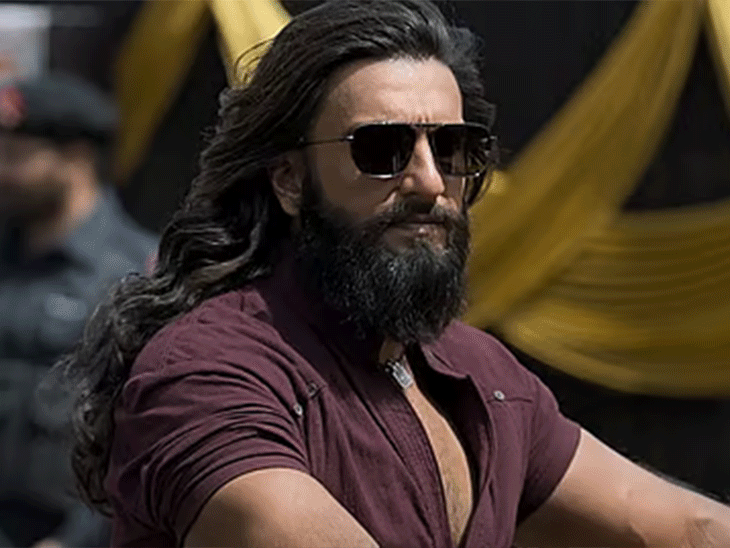
Recently, my sister in the US gifted me a $28 cowboy hat. It was no different that he covered my entire face to protect me from the sun, but rather that he had a lace tied around the hat, just like the lace is tied in the holes of the shoes. That hat also had holes all around. As soon as you untie the lace, a mosquito net opens from inside the hat and covers the face and neck, which you can button by inserting it into the collar of the shirt. My sister had seen a video of me walking around and mosquitoes biting me. He then bought this hat. Since then, it has become my favourite outfit when going out at night, because there is a possibility of mosquito bites. It covers my balding head, is fashionable and most of all protects against mosquitoes. Even though some people look at me with strange eyes, I don't mind—because to some extent it protects me from possible diseases. Little did I know that by wearing this hat, I became a 'tool-belt generation fashion promoter'. Now what is this? This is the fashion of those who do physical labor and are willing to spend on comfortable clothes and better tools that provide protection. For example, work boots with safety standards. Many Gen-Zee youths are realizing that becoming a mechanic, plumber or electrician can earn more than just graduating. In such a situation, they are joining the workforce with manual labor. That's why she has chosen clothes and fashions that are more flexible in terms of her work priorities. And the people who wear such functionally fit clothes are called 'tradespeople'. Today, tradespeople are not the only people who wear blue uniforms and live at the workshop. Gen-G youth, who have become a large workforce on the shop floor in the last four years, also want to look fashionable not only when commuting to work, but also in the workplace. Because of this, the desire for these garments has now moved beyond the blue collar culture. Big international brands like Brunt, Lowe's are not only opening stores around the world, but also telling the 'legacy inherent in workwear' through brand-building companies. In foreign countries, they cannot be called mere workers, but there they are called 'streetwear communities'. These workwear are for those who use them not as fashion products, but as equipment. Workwear is the fastest-growing segment of the apparel and footwear industry today, valued at several hundred million dollars.
There is a podcast called 'Bucket Talk', which is for people like welders, plumbers, farmers and utility linemen. You can see how people are moving towards lighter, more comfortable clothing. These clothes are also helpful in working in different weather and hygiene conditions. Recall that during college days, many of us used to walk on the bus wearing aprons, as if we were studying medicine, while we were BSc or MSc students. In the same way, today this tool-belt generation is wearing its modern streetwear and going to bus stands and public transport comfortably. Gone are the days when we used to dress to show off to others. The tool-belt generation believes that 'my comfort, comes first'. And there's nothing wrong with that. His new cargo pants are far stretchier than the strict canvas pants of our age. I see that even on social media, these youngsters are wearing shoes and attire of mechanics, plumbers and electricians, prioritizing their comfort.

RSS News
Bhaskar
0 thoughts on “N. Raghuraman's column: The fashion statement of the 'tool-belt' generation is contrary to our generation”
Leave a Reply
Your email address will not be published. Required fields are marked *

RECENT NEWS
- Morning News Brief: AI Video Rules, Proposal to Remove Speaker Birla, Threat to Ranveer Singh's Life; No smell from soap at Ahmedabad airport, intoxication
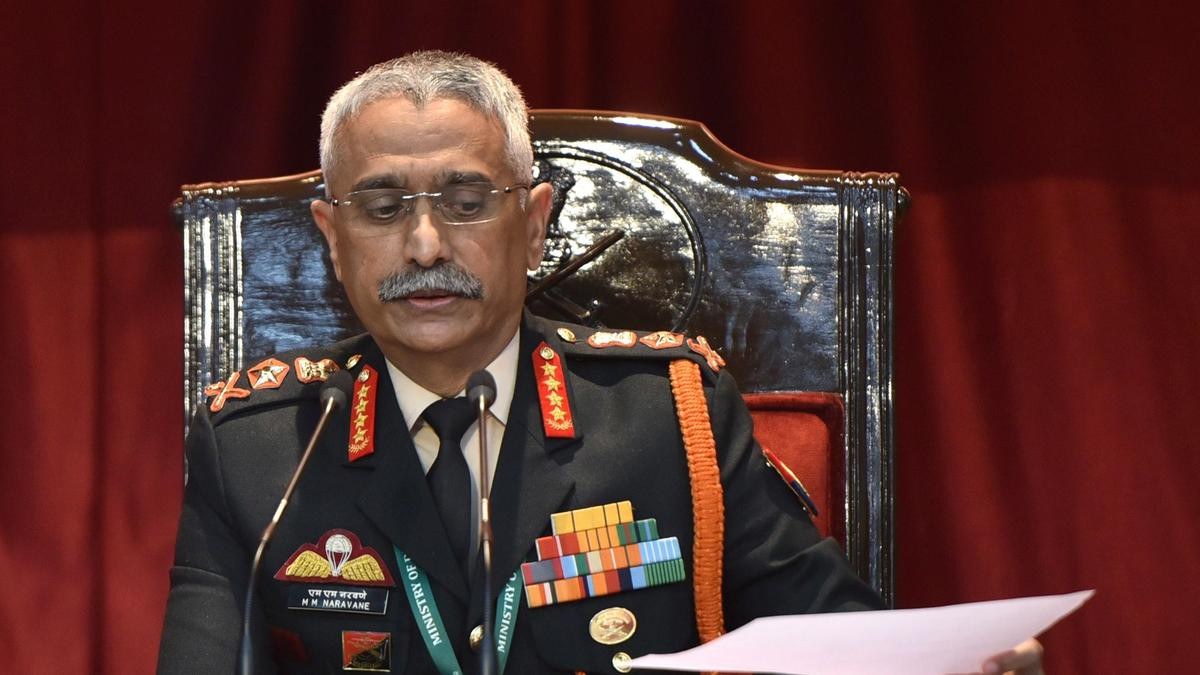
- Former Army General Naravane confirms Penguin’s claim that memoir is as yet unpublished as Delhi Police file FIR
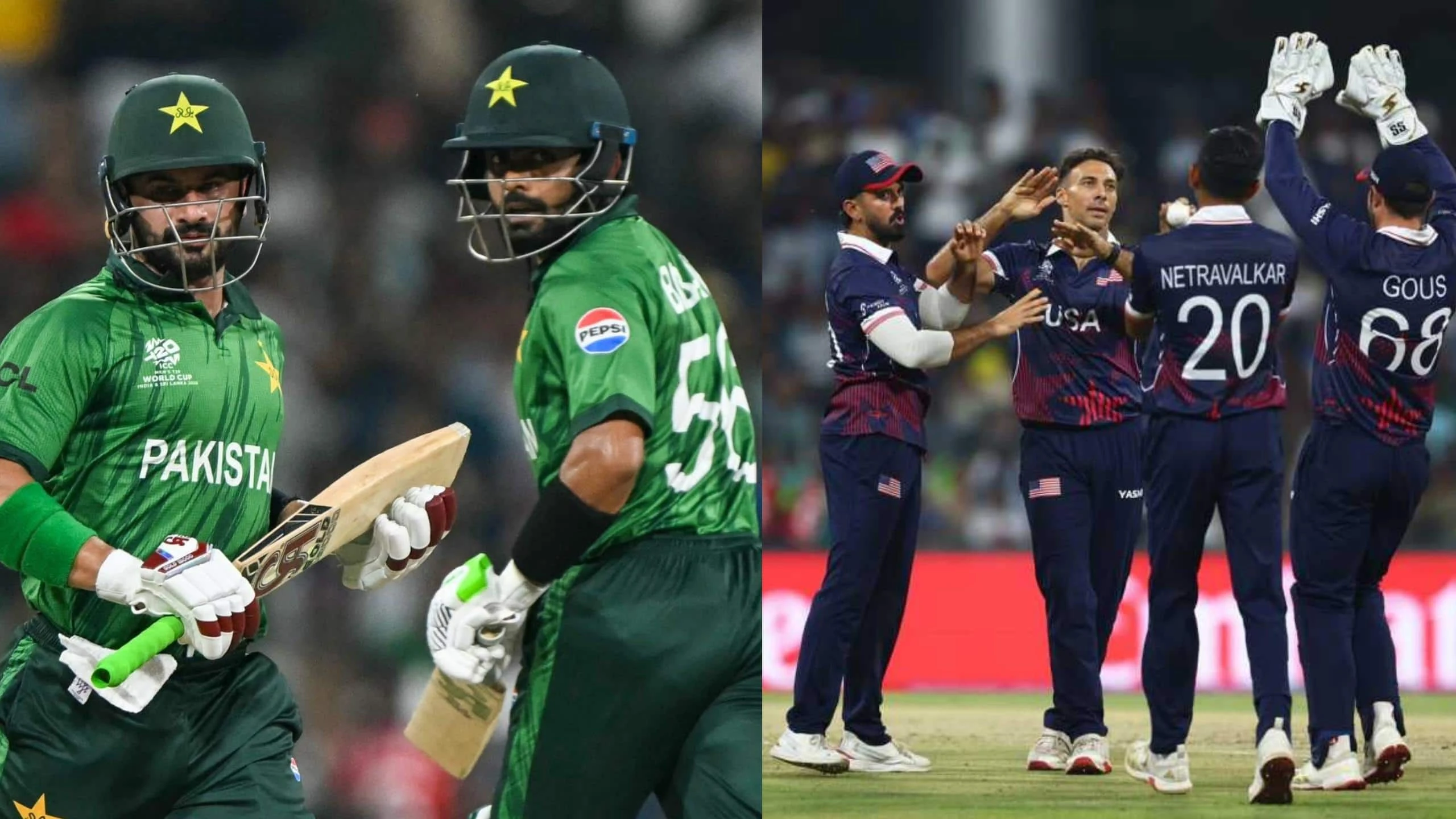
- Pakistan took revenge for 2024, after Babar-Farhan, Usman Tariq broke down as a havoc on USA, won the match by 32 runs.
- FIIs trim, DIIs take the wheel
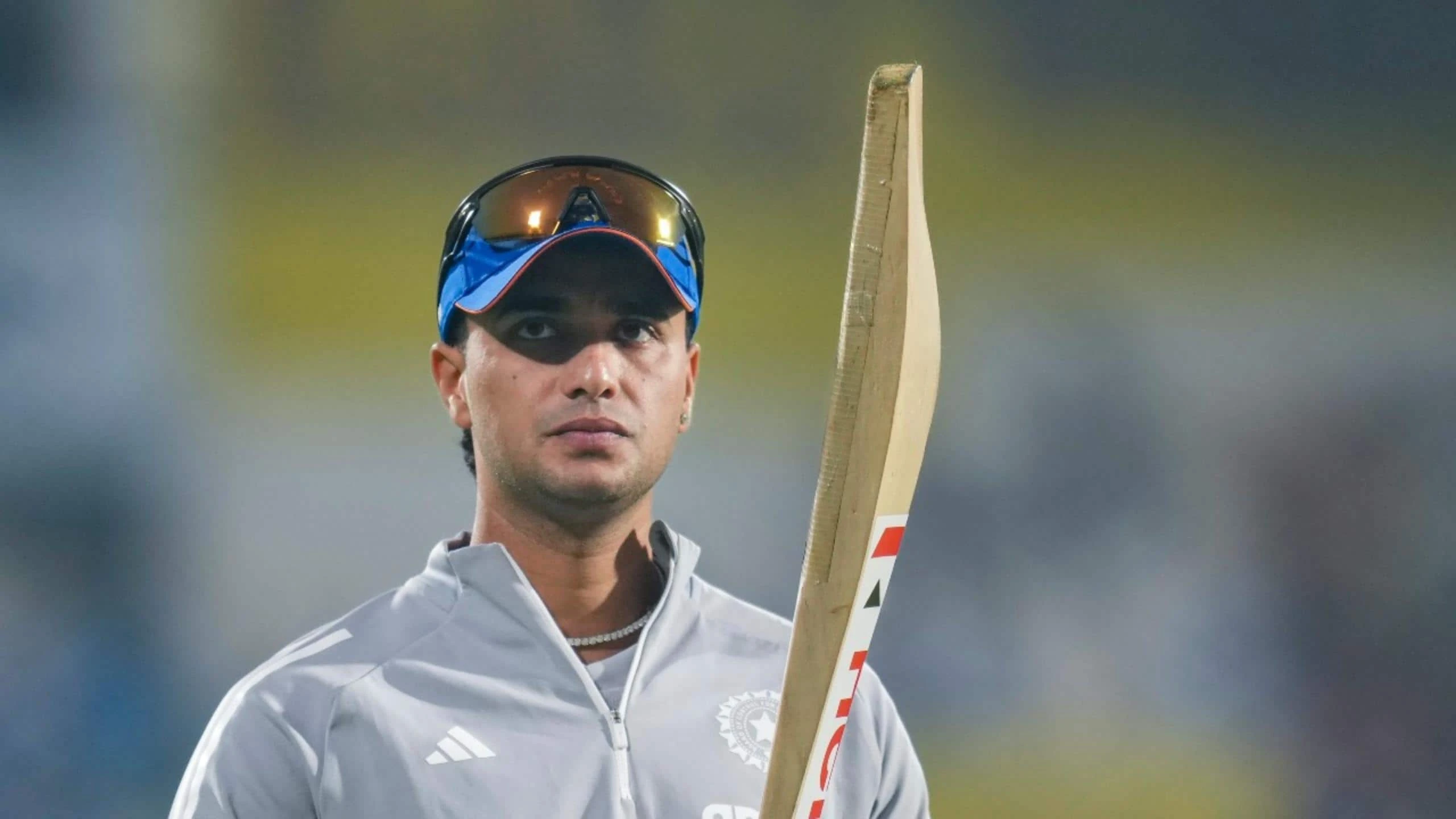
- Team India's star opener Abhishek Sharma has fallen ill, bad news came from the Indian camp amid the T20 World Cup.