I bid farewell to Chhattisgarh with many mixed emotions. I spent about two weeks in this state. During this time, I traveled there on a motorcycle late at night, in the dense forests of the year. The ghostly trees with white, fallen leaves gleaming in the moonlight presented a bizarre sight. I crossed flowing rivers to reach remote tribal settlements. During my visit to Bastar and Kawardha, I stayed in a village of the Gond tribe within the forest, which was completely deprived of even basic amenities like electricity. In this identified Naxal-infested area, I sat near a bonfire with my host family and tried to understand the complexities of tribal life and the misconceptions about it. I saw the traditional festivals of the Dhurva tribe. Along with the herbs in a traditional healer's hut, I also saw the claws of birds and the scales of pangolins (which had been collected years ago). In remote villages, I met artisans and craftsmen associated with metal and bamboo handicrafts, whose extraordinary life and rare skills have been lost behind the government classification of 'Other Backward Classes'. At a local haat (Adivasi market), I drank Landa in a bowl made of tendu leaves. It is a traditional drink prepared from rice, which is slightly grainy. Under a huge mahua tree, I met a loving family of the Baiga tribe, who were preparing mahua wine in a boiling pot. They didn't let me go without tasting that hot and intense drink in a leaf bowl, even though it wasn't long before I had breakfast by then. I also met women from the Baiga tribe who still wear traditional tattoos on their foreheads, arms and legs. They live in mud houses and share the terrain with bears, leopards, tigers and other creatures of the forest.
I will never forget the evening when, at dusk, standing under the showers of the Tirathgarh waterfall falling at a rapid pace, I suddenly felt a strong sense of freedom. I wanted to live that experience a little longer. But while spending time among the tribes of Chhattisgarh, there was also a deep sadness within me. The reason for this gloom was that now the old rituals, traditional styles of clothing and hairdressing, social interaction in the forests and tribal haats are all falling prey to modernity. The diet of the tribals, once based on coarse grains and nutritious traditional foods like kodo, drumstick and mahua, has now been reduced to rice and pulses, which has led to malnutrition. Their rich traditional knowledge of sustainable and zero-waste use of forest and its resources is also now on the verge of extinction. The shift towards so-called modern methods of forest conservation has alienated the very communities that protected this precious land for centuries. Many tribal communities are also now losing their traditional connection with the forest. Living with tribal families, sharing food with an exorcist under a starry sky, and listening to stories of socially progressive traditions, the same thought kept popping up in my mind over and over again. The current generation of tribal elders is the last chance for us to preserve India's ancient indigenous knowledge, which teaches the path of sustainable co-existence with nature. Their children – whose veins are still rooted in the forest – can be trained as naturalists, tourist-guides and conservationists, rather than just being a source of unskilled labour. Instead of calling them backward, we should accept the age-old wisdom that they have acquired by living a life in harmony with this planet. In this world plagued by material cravings and environmental damage, a visit to Chhattisgarh reminded me of what we risk losing along the way as we move towards 'progress'. In this world plagued by material longings and environmental damage, a visit to Chhattisgarh reminded me of what we risk losing along the way as we move towards 'progress'. We have to learn to live a life in harmony with our planet.
(These are the author's own views)

RSS News
Bhaskar
0 thoughts on “Shivya Nath's column: Harmony of life should be learned from the children of the forest”
Leave a Reply
Your email address will not be published. Required fields are marked *


RECENT NEWS
- IND vs ENG: All eyes will be on these 3 players in the second T20I, one is in danger of being ruled out
- Carl Benedict Frey's column: We don't do any work just for income
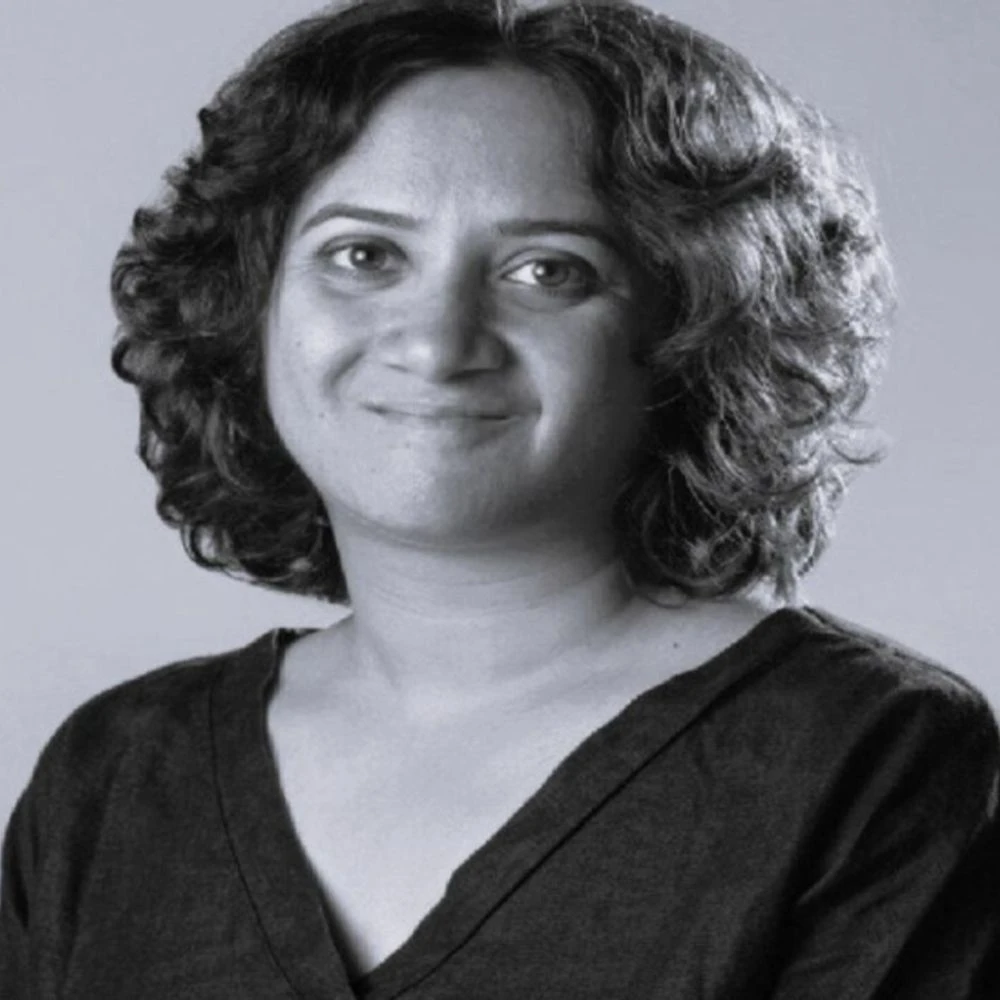
- Shivya Nath's column: Harmony of life should be learned from the children of the forest
- Inside India’s language conundrum
- IND vs ENG: India vs England 2nd T20 Match Interrupted Due to Rain