The Supreme Court has released a draft of rules for the use of AI in courts. But the ad hoc use of AI in courts burdened with lawsuits can lead to difficulties and disputes. It is important to understand the 4 aspects related to them:
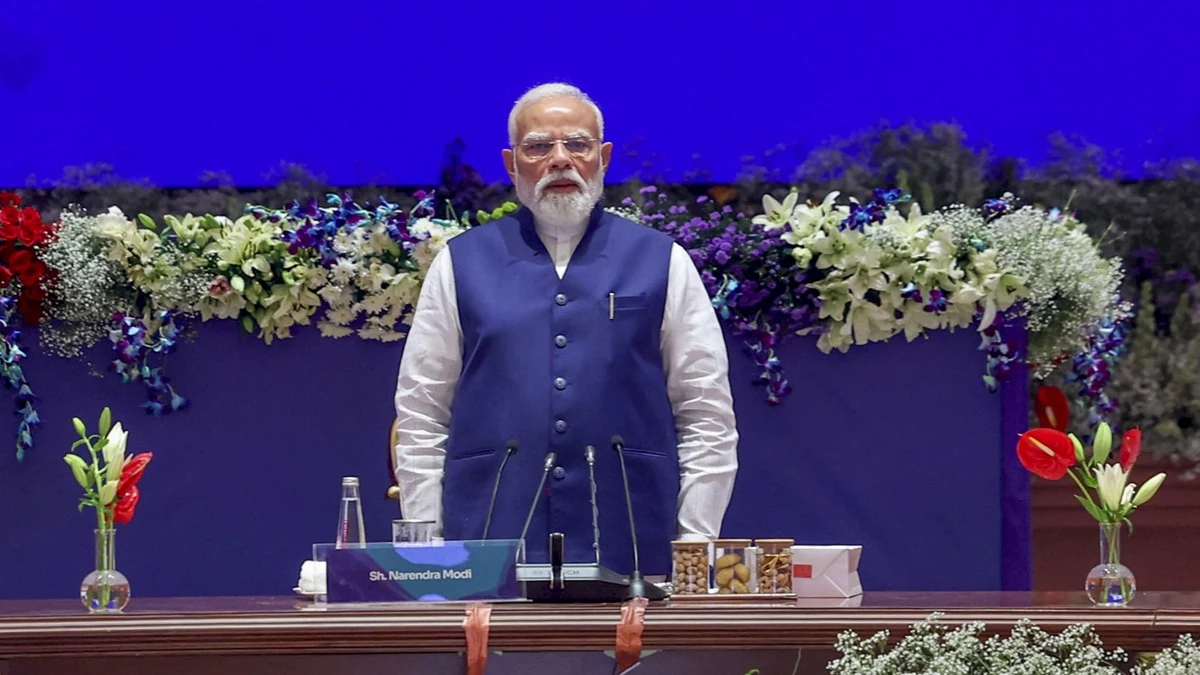
1. According to Article 145 of the Constitution, the Supreme Court has the right to make rules. Under that, the President approved the Supreme Court Rules 2013. But the draft AI does not mention the law according to which they are made. The district courts are under the High Courts of the states. But the High Courts are not considered to be subordinate to the Supreme Court. The formation of the All India Judicial Service can bring about large-scale judicial reforms. But even for that, the Supreme Court is not issuing a judicial order. Therefore, the implementation of AI in high courts and district courts by the administrative order of the Supreme Court may lead to a constitutional crisis. 2. According to the Bar Council of India, AI does not have legal recognition. Therefore, under the Advocates Act, lawyers will be responsible for any incorrect content created by AI. Data protection laws and related rules are not yet in force in India. The commercial use of AI to the sensitive judicial and personal data of crores of people in pending and outdated cases will be unconstitutional. Before this, the consent of the litigants and lawyers is required. Many judges have expressed concern against the increasing chaos caused by the misuse of AI. The Punjab and Haryana High Courts have ordered all district courts that AI platforms cannot be used in legal research and judicial decisions. 3. During the Corona period, online hearings and live telecast of cases started in the courts in a hurry. But according to the decision of Supreme Court Chief Justice Dipak Misra in 2018, there have been no necessary changes in the rules so far. The lack of clear rules to prevent the commercial use of judicial hearing data has led to increasing attacks on judicial administration. The petition was filed in the courts by RSS ideologue KN Govindacharya against the unsafe use of foreign platforms like WhatsApp, Zoom and YouTube. Chief Justice Chandrachud had said that the indigenous tech platform will be used within two years. But it has not been implemented yet. 4. All the big AI platforms are foreign. The Finance Minister is worried about protecting India's banking system from a tsunami of AI like mythos. The IT Act also does not have explicit provisions to prevent the misuse of AI. The absence of necessary provisions for data protection and grievance redressal in the draft may increase the confusion of lawyers and judges in the district courts. The Prime Minister had called for the release of poor prisoners and freedom from the burden of cases through the use of technology and AI. But the draft Supreme Court does not have a roadmap for judicial reforms through AI, speedy disposal of small cases and speedy delivery of justice to the general public. The district courts do not have basic amenities like water, toilets and seating. Then how will the infra for AI evolve? The institutional use of AI requires consultation with the five pillars of the judicial system – the public, the government, judicial administration, lawyers and judges. Accordingly, the law should be made by Parliament and the rules of the Supreme Court and High Courts should be changed. So far, the data protection law and the rules related to it have not been implemented. The commercial use of AI to the sensitive judicial and personal data of crores of people in pending and outdated cases will be unconstitutional.
(These are the author's own views)

RSS News
Bhaskar
0 thoughts on “Virag Gupta's column: Unsafe use of AI in court will increase difficulties”
Leave a Reply
Your email address will not be published. Required fields are marked *



RECENT NEWS
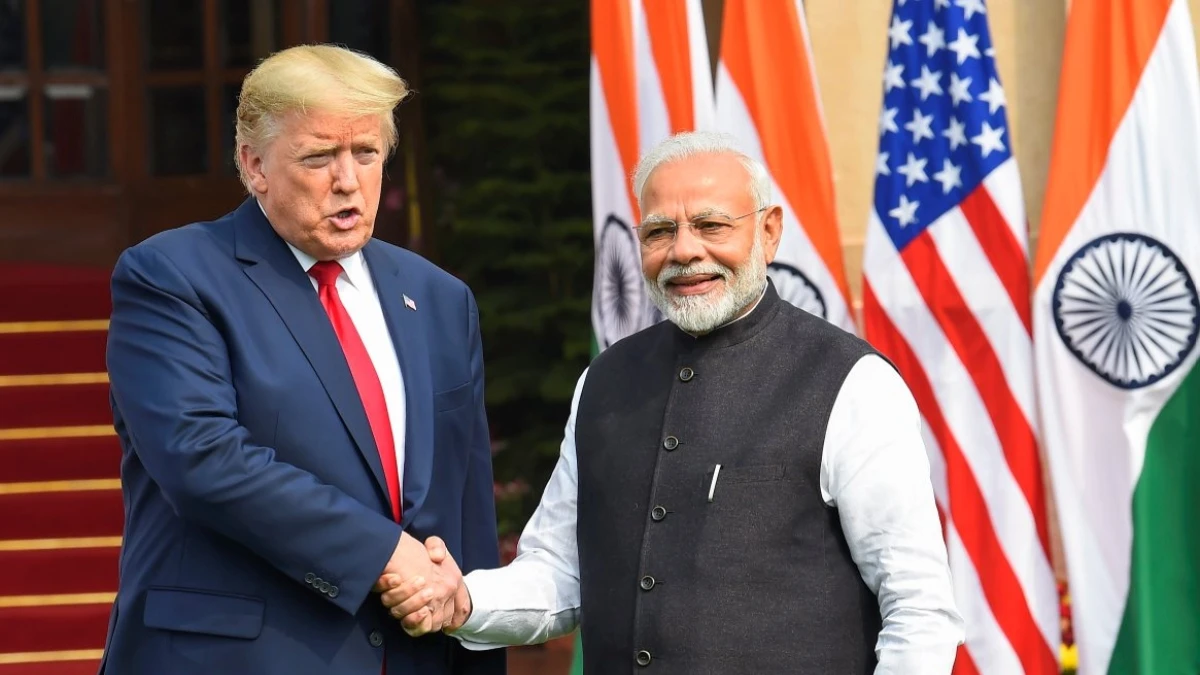
- Will PM Modi meet Trump at G7 Summit? India, US exploring possibility of bilateral meeting in France
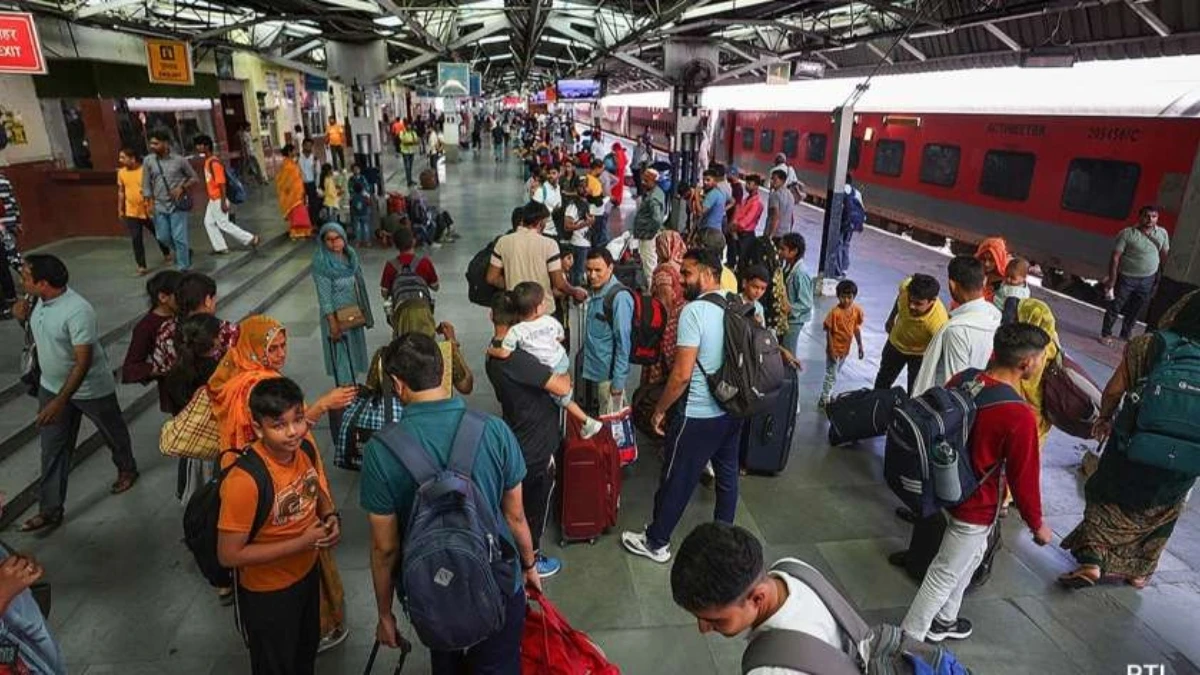
- Indian Railways to conduct nationwide fire safety audit at stations: What it means for passenger safety
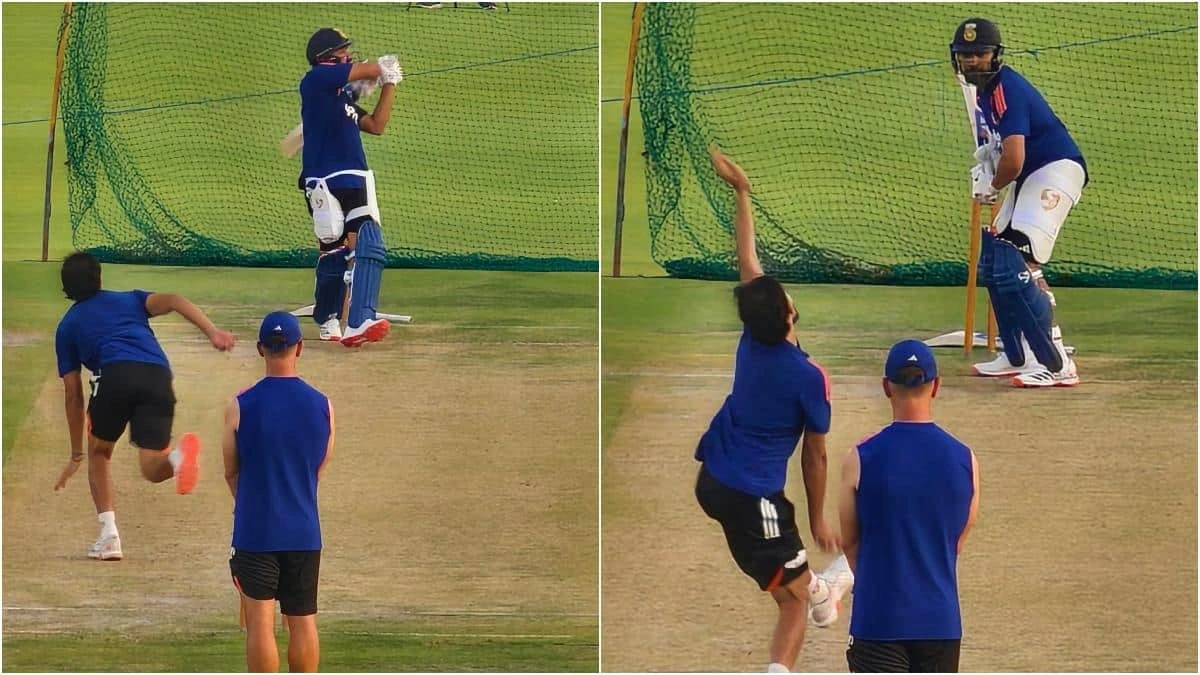
- 'Hitman' returns to Team India, sixes will rescue Afghanistan; Crowds flocked to watch practice
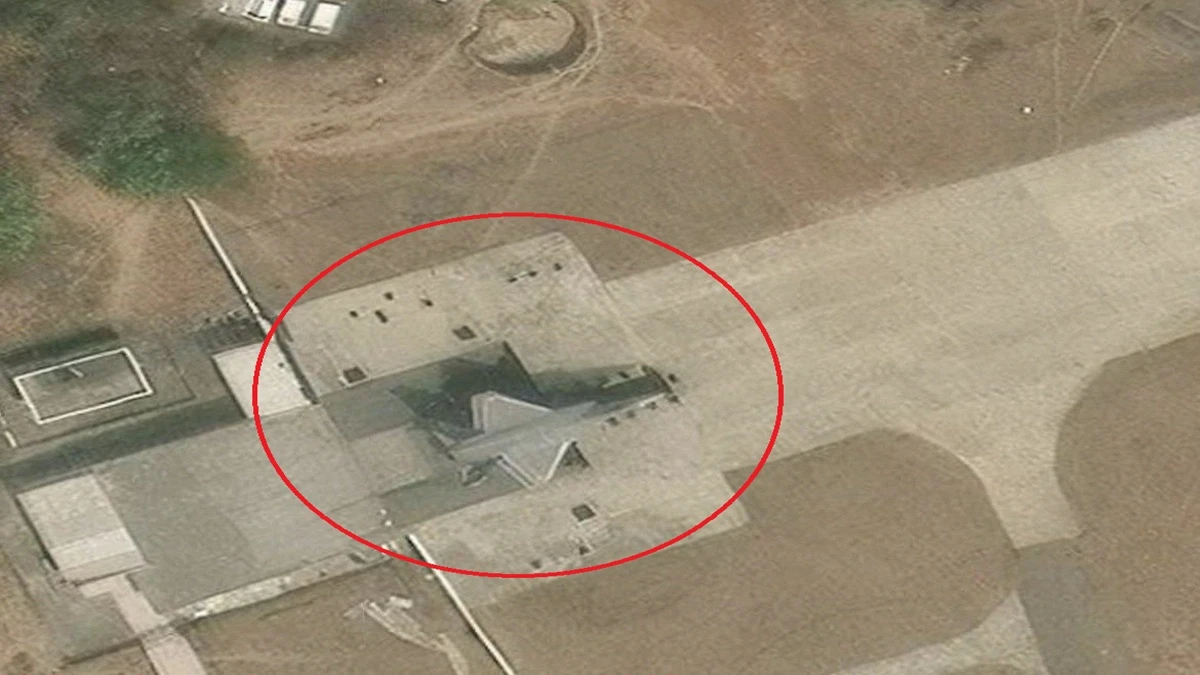
- Satellite images reveal AMCA undergoing crucial stealth testing in Hyderabad: Why is it significant?
- Congress led India to state of hopelessness through its misrule: PM Modi at NDA conclave | Top quotes