A picture in my memories never faded. My mother was decorating lamps along the walkway one by one. A big lamp was placed in the middle of the rangoli. The slowly setting sun was giving way to the darkness. As evening fell, the mother started lighting the lamps. A faint light was falling on one part of the mother's face, which clearly showed her half-dot, light smile and the happiness on her face. A few strands of her freshly washed hair were scattered between the forehead and ears. I was almost lost staring at her silently. She looked and asked, 'What are you looking at?' I said, 'You look exactly like Maa Mahalakshmi. Very beautiful. You are reminding me of the goddess sitting in the temple.' She got up and kissed my forehead. She was my mother. Even today, when I see my sister, wife or daughter decorating and lighting lamps for Diwali, the same scene comes alive. Faces have changed, but the emotions are the same. Perhaps this is the most beautiful light that Diwali leaves in our lives. Imagine the entire Diwali week evenings in Indian homes in the year 1800. A family member is carefully filling oil in small earthen lamps. He is making a cotton wick and keeping it on the side. As soon as the wick burns, its flame illuminates not only the door, but also the face of the woman who put it diligently. There is nothing fancy in this lamp. The potter makes it from clay and bakes it in the kiln. But there is something magical about it, which needs no electricity, no remote and no fancy switch. For that family, the lamp is a symbol of prosperity, hope and happiness. Now come to 2026. The diya has changed a lot now. It can be made in the shape of an elephant, peacock, conch or lotus. It can have many wicks and separate oil spaces. It can burn for 24 or even 100 hours. Some artisans made diyas that glow when water is poured. Some artisans are attracting the generation with the use of different materials, colors and designs, which wants a touch of modernity with tradition. The diya has come a long way, but its journey is not over yet. Interestingly, even in the 19th century, the diya was not always a simple clay bowl. Museums have beautifully made brass lamps of that era. Between 1870 and 1900, a brass lamp was made with such a clever arrangement, in which the oil kept filling automatically. The artisan used the 'Tantalus Cup' principle in it, so that the oil-bowl was filled. Another traditional diya was made like a peacock, whose body itself acted as an oil reservoir. Today Indian artisans are re-inventing diyas. A potter from Kondagaon, Chhattisgarh, makes an elephant-shaped diya, which burns for more than 100 hours. The potters of Belagavi have made 24-hour lamps. Ibrar Ahmed made water-activated diyas at the Lucknow Mati Kala Utsav. Artisans are also making diyas from bamboo, coconut shell, sand, brass and cow dung. In Delhi, students have made solar lamps from waste buckets of paint, which proves that tradition and innovation can shine together. The motive of our artisans is straightforward – to create something new without abandoning traditional crafts. The trick is that even though the traditional diya may not illuminate our rooms today, it is illuminating our festivals, prayers and family celebrations. This creates indescribable happiness in the mind. Tell its importance to the next generation as well.

RSS News
Bhaskar
0 thoughts on “N. Raghuraman's column: Diya continues to maintain the importance of Indian culture”
Leave a Reply
Your email address will not be published. Required fields are marked *

RECENT NEWS
- Non-Muslims from Pakistan, Bangladesh will have to get visas in India: Earlier, 6 communities including Hindus and Sikhs were exempted; 5 points of change
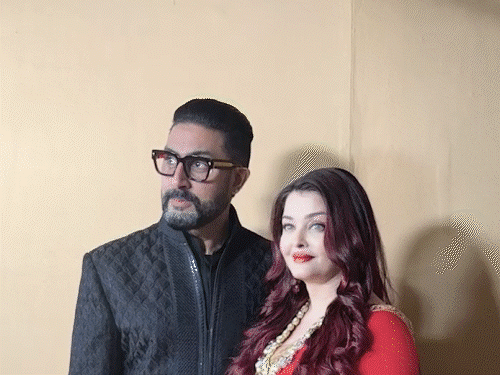
- Aishwarya Rai Bachchan and Abhishek's romantic chemistry at Diwali party: Malaika Arora arrives with roomed boyfriend, Arjun Kapoor is also present; Kareena's look reminds me of 'Poo'
- After leaving CSK, Michael Hussey will be seen in a new role, got the biggest responsibility
- Former KKR player caught in 'cocaine' scan, banned for one month
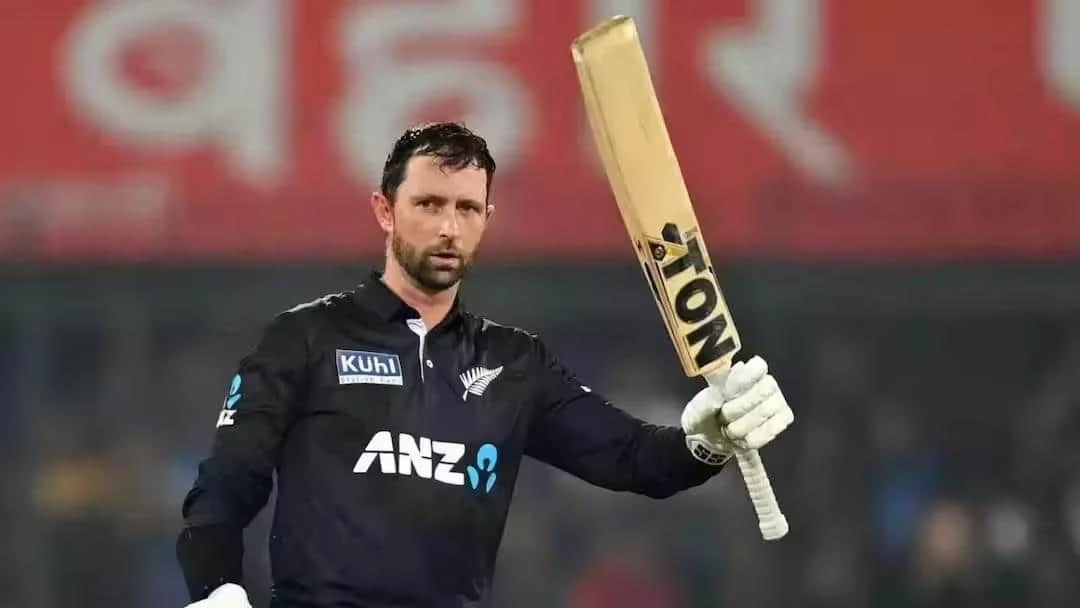
- IND vs NZ: Devon Conway ruled out of India vs India ODI series