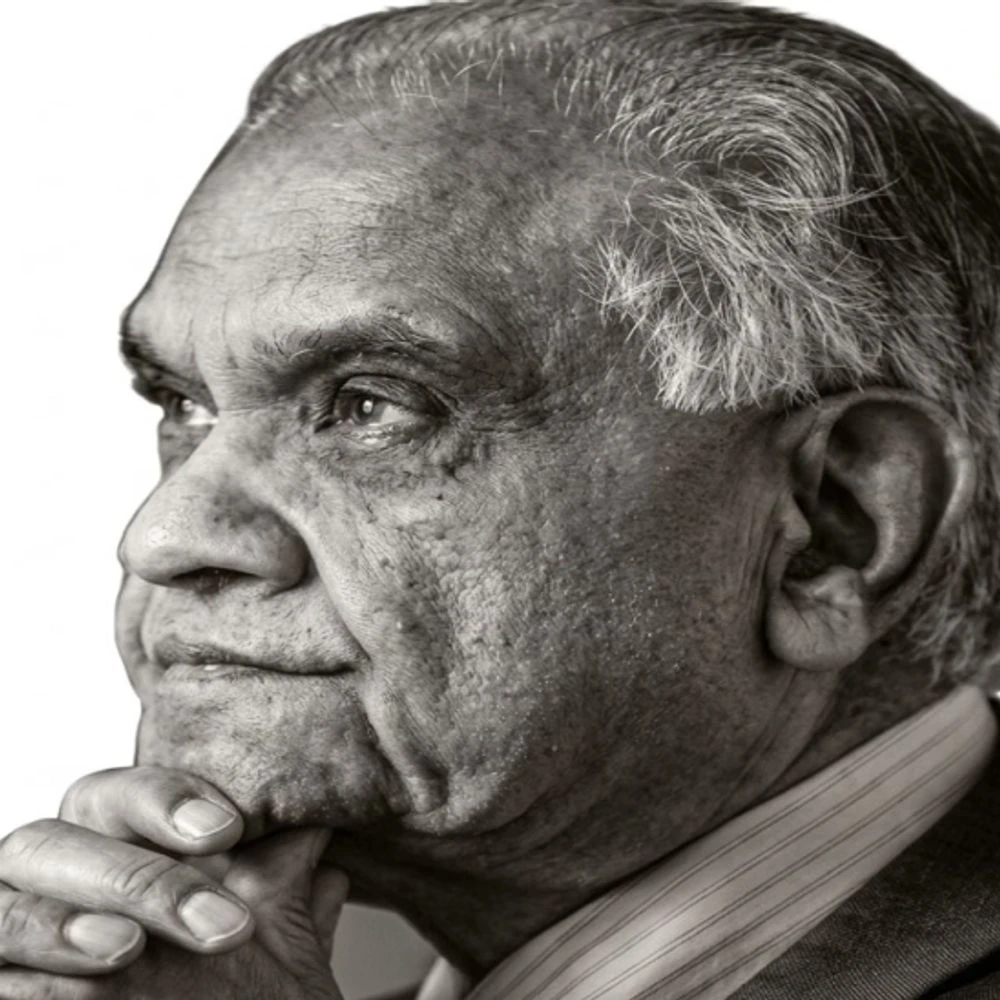
In six decades of advising CEOs and boards of directors around the world, I have seen businesses succeed and fail. The difference between them is rarely just in terms of resources, technology, or talent. The real difference is clarity. Leaders who build long-lasting businesses return to three basic questions over and over again. Not once, not during an annual review, but consistently. These questions are not a checklist. But they do give us a direction. First question: Does the customer need our products? This is the most important question in business. And after having initial success, most leaders stop asking this question. Markets change. Customers' needs keep evolving. What was relevant five years ago may or may not be relevant today. Steve Jobs understood it better than almost everyone else. They didn't just respond to customer demand. They anticipated the need before the customers themselves realized their need. The iPhone was not the result of a customer-survey. He was the result of an unwavering passion for understanding the lives of clients and their direction. Honestly ask yourself: Is what we are creating really needed today? Or are we making what we've always made, and hoping that the market will stay that way?
Second question: Does the customer prioritize us over competitors? It's not enough to make something customers need. They should also give you priority. This question goes beyond price or quality. It asks: Why do some customers choose us, while others don't? What do we give them that no one else gives? Where do we lag behind and why? A lot of leaders take customer loyalty for granted. They assume that if a customer has come to them once, it will come again. In today's world where options are just a click away, this notion is dangerous.
Understand the reason for the customer's preference. Strengthen that base. And where the customer doesn't prioritize you, honestly and boldly know why. This information is more valuable than any market research report. Third question: Does our business model support innovation and growth? Even if today you are making what customers need and they are also prioritizing you, the question is about tomorrow. A business model that has been effective for you in the past can also become the limit of your progress in the future. Can your model provide resources for innovation? Can he attract the right people? Can he adapt when circumstances change? Steve Jobs once said, "Start with the customer experience and then go from there to technology, not vice versa." This perspective is more relevant today than ever. In the age of AI, the same companies are succeeding, which did not look for customers by starting with technology. Rather, those who first understood the needs of the customers deeply and then used technology to meet them better than others. These three questions have power only when you apply them to your organization with complete clarity and honesty. Are you meeting the changing needs of your customers? Or are you still solving tomorrow's problem? Do customers consider you their first choice in a crowded market? Or have you taken such loyalty for granted, which perhaps does not exist? Is your business model aligned with future growth and innovation? Or is he gradually becoming a hindrance to your progress? Don't go ahead with answering these questions once. Return to them every three months. Discuss these with your board. Discuss these with the team. The moment a leader stops asking these questions, his business starts to deviate from direction. Does the customer need something we make? This is the most important question in business. Markets change. Customers' needs keep evolving. What was relevant five years ago may not necessarily be relevant even today.
(These are the author's own views)

RSS News
Bhaskar
0 thoughts on “Dr. Ram Charan's Column: Three Questions Every Business Leader Should Ask Again and Again”
Leave a Reply
Your email address will not be published. Required fields are marked *



RECENT NEWS
- Development, Democracy and the Citizen Who Feels Forgotten
- Rashmi Bansal's column: Why are today's youngsters afraid to commit to each other?
- Dr. Ram Charan's Column: Three Questions Every Business Leader Should Ask Again and Again
- Sunny Deol's 33-year-old courtroom drama film was liked on Netflix, earned 356% profit.
- Malayalam gets a cosy space in Australian public library