


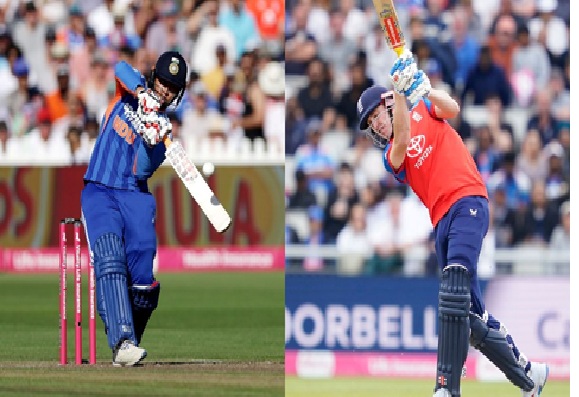
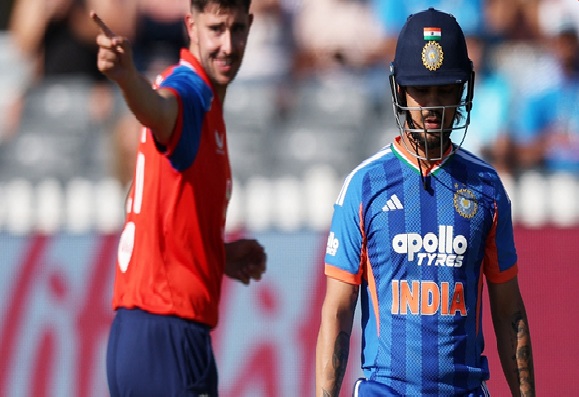
In what can only be described as a masterclass in mediocrity, the Indian cricket team suffered yet another embarrassing defeat against England in the third T20I, leaving 1.5 billion Indians wondering if their "Men in Blue" have forgotten what winning actually looks like.
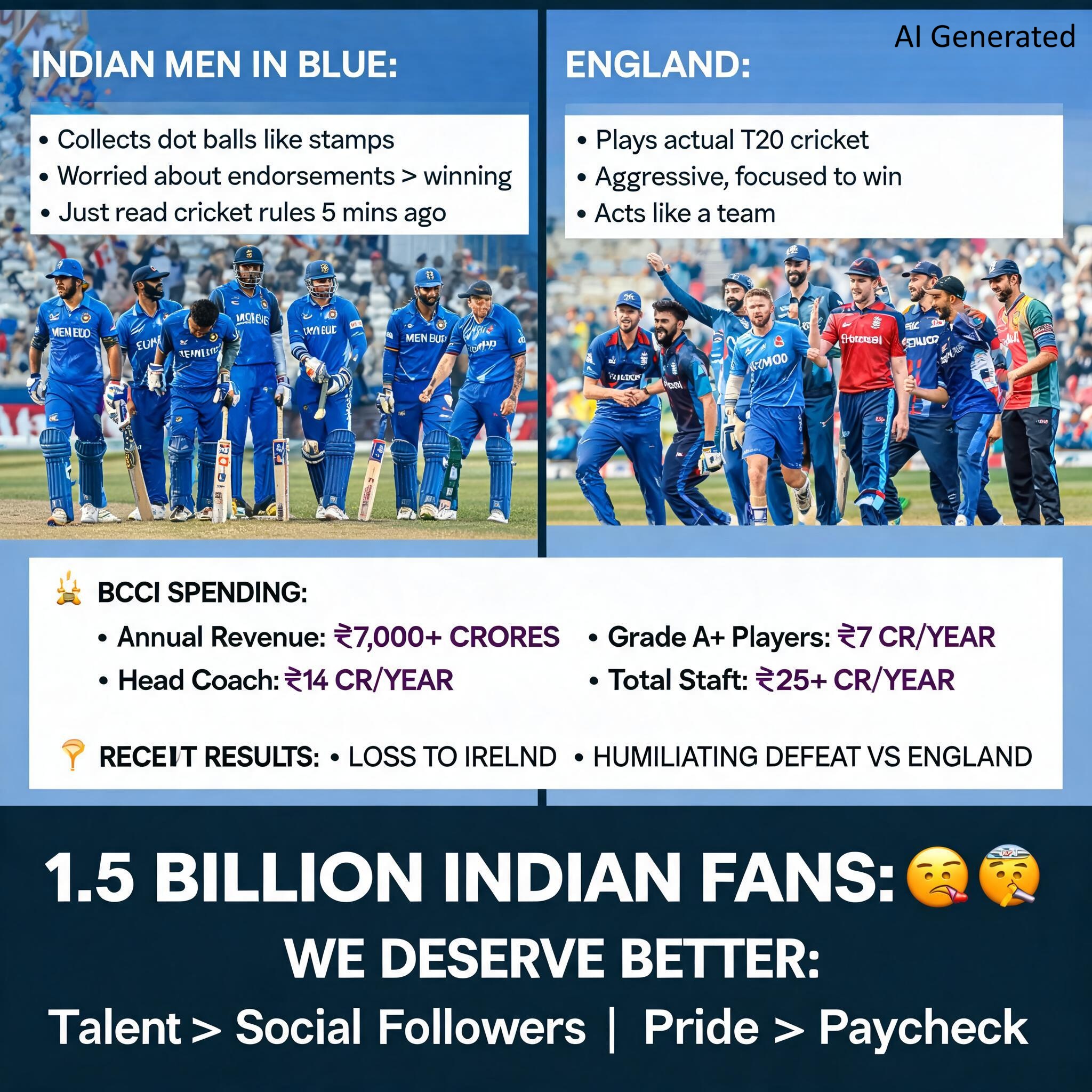
The Billion-Dollar Question: Where Did All That Money Go?: The Board of Control for Cricket in India (BCCI), the world's richest cricket board with an annual revenue exceeding ₹7,000 crores, spares no expense on its prized assets. Each centrally contracted player earns between ₹1-7 crores annually, with Grade A+ players pocketing ₹7 crores. Head Coach Gautam Gambhir’s salary reportedly stands at approximately ₹14 crores per annum, with the entire coaching staff's combined package estimated at over ₹25 crores.
With such astronomical investments, one would expect performances worthy of world-beaters. Instead, what Indian fans witnessed was a team that played like they'd just downloaded the cricket rulebook five minutes before the match.
From Ireland Embarrassment to England Annihilation: Let's not forget—this is the same team that recently lost a series to Ireland. Yes, IRELAND. A nation where cricket ranks somewhere between competitive knitting and extreme ironing in popularity. And now, England has handed India a defeat so comprehensive, it looked less like an international cricket match and more like a coaching clinic on "How Not to Play T20 Cricket."
Playing for India or Playing for Survival?: The current Indian squad seems less interested in winning matches and more concerned with retaining their lucrative contracts and brand endorsements. When your primary goal is to "not get dropped" rather than "destroy the opposition," you get exactly what we saw—defensive, timid, confused cricket devoid of any confidence, aggression, or intent.
The contrast couldn't be starker. England looked like a confident, unified war machine. India looked like eleven individuals who'd met at the airport and decided to play a friendly match for fun.
The Washington Sundar Mystery: Solving Cricket's Greatest Puzzle: Among the many head-scratching selections, Washington Sundar's inclusion deserves special mention. With all due respect to the player, one must ask: on what planetary alignment, astrological chart, or brand endorsement deal was this selection based?
In modern T20 cricket—a format that demands aggressive intent, innovation, and match-winning ability—several performances left experts and fans alike searching for answers that even Google couldn't provide.
Brand Ambassadors or Cricket Players? : Here's the uncomfortable truth that needs saying: India's current selection policy appears dangerously tilted toward commercial marketability rather than cricketing ability. If you've got the right brand endorsements, the right social media following, and the right "image," your place seems secured regardless of form or performance.
Talent? Optional.
Match-winning ability? Negotiable.
followers? ESSENTIAL.
The selectors seem to have created a team that looks fantastic in advertisements but crumbles on the cricket field. These players could sell you toothpaste, soft drinks, and mobile phones with exceptional charisma—if only they could play cricket with the same conviction.
Test Match Tactics in a T20 World: Perhaps the most bizarre aspect was watching Indian batsmen treat a T20 international like a five-day Test match at Lord's. Dot balls were accumulated with the dedication of a philatelist collecting rare stamps. Singles were celebrated like match-winning sixes. The intent was lower than a limbo bar at a championship event. Meanwhile, the opposition treated the match like... well, a T20 match. Revolutionary concept, isn't it?
BCCI's Master Plan: Promoting Other Sports?: One can't help but wonder if there's a secret strategy at play. Perhaps the BCCI, in a moment of altruistic brilliance, has decided to promote other sports in India by deliberately fielding a team so underwhelming that Indian youth will naturally gravitate toward football, hockey, or badminton. "Why waste time watching cricket when we can explore other sports?" might just be the BCCI's new unofficial slogan.
If this is indeed the plan, congratulations—it's working brilliantly. Every humiliating defeat sends thousands more Indians exploring alternative sporting entertainment.
The Pain of 1.5 billion Hearts: For every Indian watching, there's a unique cocktail of emotions: frustration, disappointment, anger, and that familiar sinking feeling of watching potential being squandered.
These players don't just represent themselves—they represent 1.5 billion dreams, hopes, and emotions. When they walk onto that field wearing the Indian blue, they carry the aspirations of billions who see themselves in those players, who schedule their days around match timings, who defend Indian cricket in offices, colleges, and dinner tables worldwide. And in return? We get performances that suggest some players are more worried about their next endorsement shoot than the next match.
The Respect They Still Deserve (Yes, Really): Despite the frustration, anger, and disappointment, one truth remains: these players have earned the right to represent India. They've worked hard, shown talent at various levels, and achieved what millions only dream of. But with that honor comes responsibility—massive, unavoidable responsibility.
Wearing the Indian jersey isn't just a career opportunity or a pathway to wealth and fame. It's a sacred trust. It's representing the collective dreams of the world's second-most populous nation. It's carrying forward a legacy built by legends who played for pride, not just paychecks.
What India Desperately Needs: Fresh Faces: Players who are hungry, not satisfied. Players who see the Indian jersey as the beginning of their journey, not the destination. Talent Over Trending: Select players based on match-winning ability, not followers. Unity: A team that plays for each other, not against each other in a competition for contract retention. Team Spirit: The understanding that eleven individuals make a team, not eleven brands make a marketing portfolio. Motivation: The fire to win, not the fear of losing their place. Confidence: Play like champions, not like contestants in a survival reality show.
The Bottom Line: India has the talent. India has the resources. India has the cricket infrastructure. India has the passionate fan base. What India doesn't currently have is a team that plays with the hunger, unity, and confidence needed to win international cricket matches consistently. The BCCI is spending money like it's going out of fashion. Indian fans are investing their emotions unconditionally. The least the team can do is invest some genuine effort, intent, and pride when they step onto that field.
Because right now, it looks less like a cricket team and more like a group of individuals collecting pay checks while wearing matching uniforms. India deserves better. The 1.5 billion hearts deserve better. The legacy of Indian cricket deserves better.
The question is: When will the BCCI, the selectors, the coaching staff, and the players themselves realize this?

1 thoughts on “England Came to Play Cricket, India Came to Protect Contracts: From World-Class Salaries to School-Level Cricket”
Leave a Reply
Your email address will not be published. Required fields are marked *



RECENT NEWS
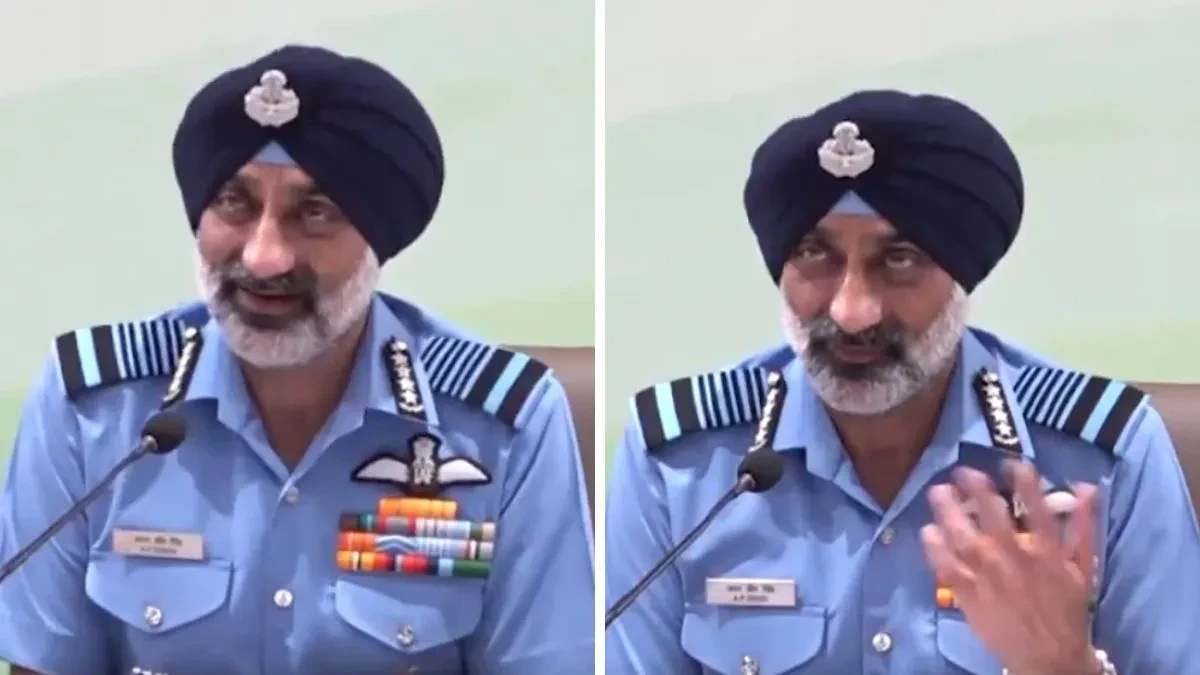
- 'They don't let us go near the aircraft': IAF Chief says US made no official offer to sell F-35 jets to India
- Sugar 10% expensive in 20 days due to Super El Niño: Milk and flour 6%; The impact could last until 2027; Sugarcane crop also affected.
- Floods in Lucknow, 3 lakh people affected: Rain alert in 7 districts of Bihar; Night temperature below 20°C in 11 cities of Rajasthan
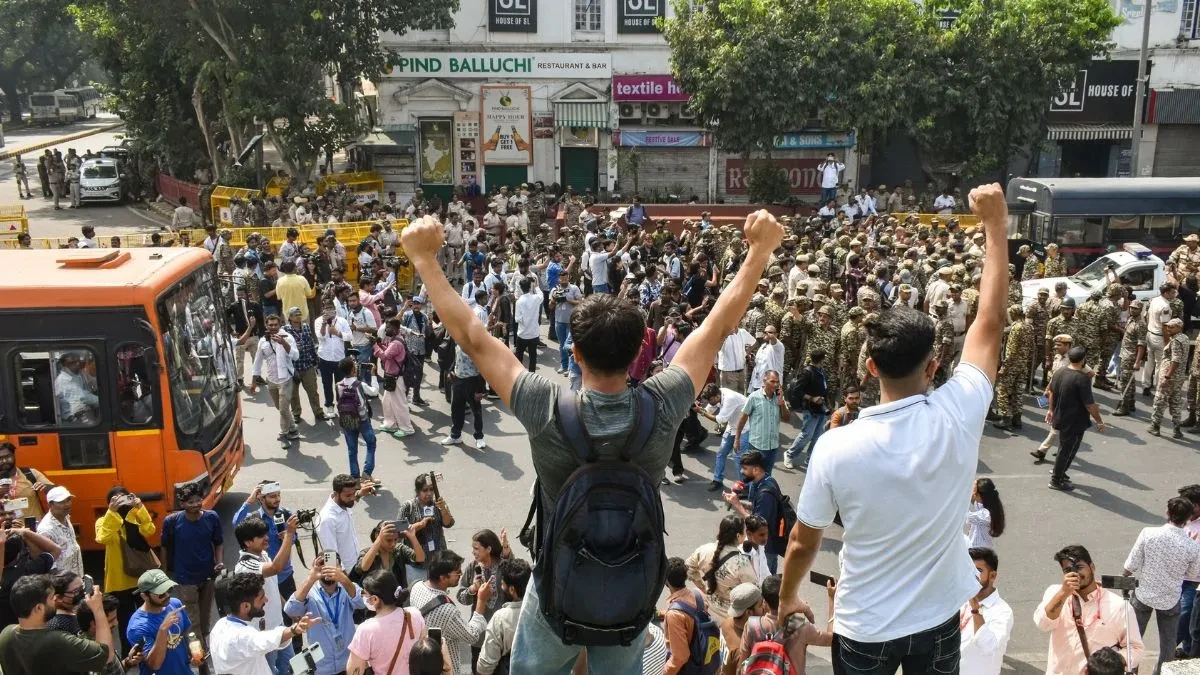
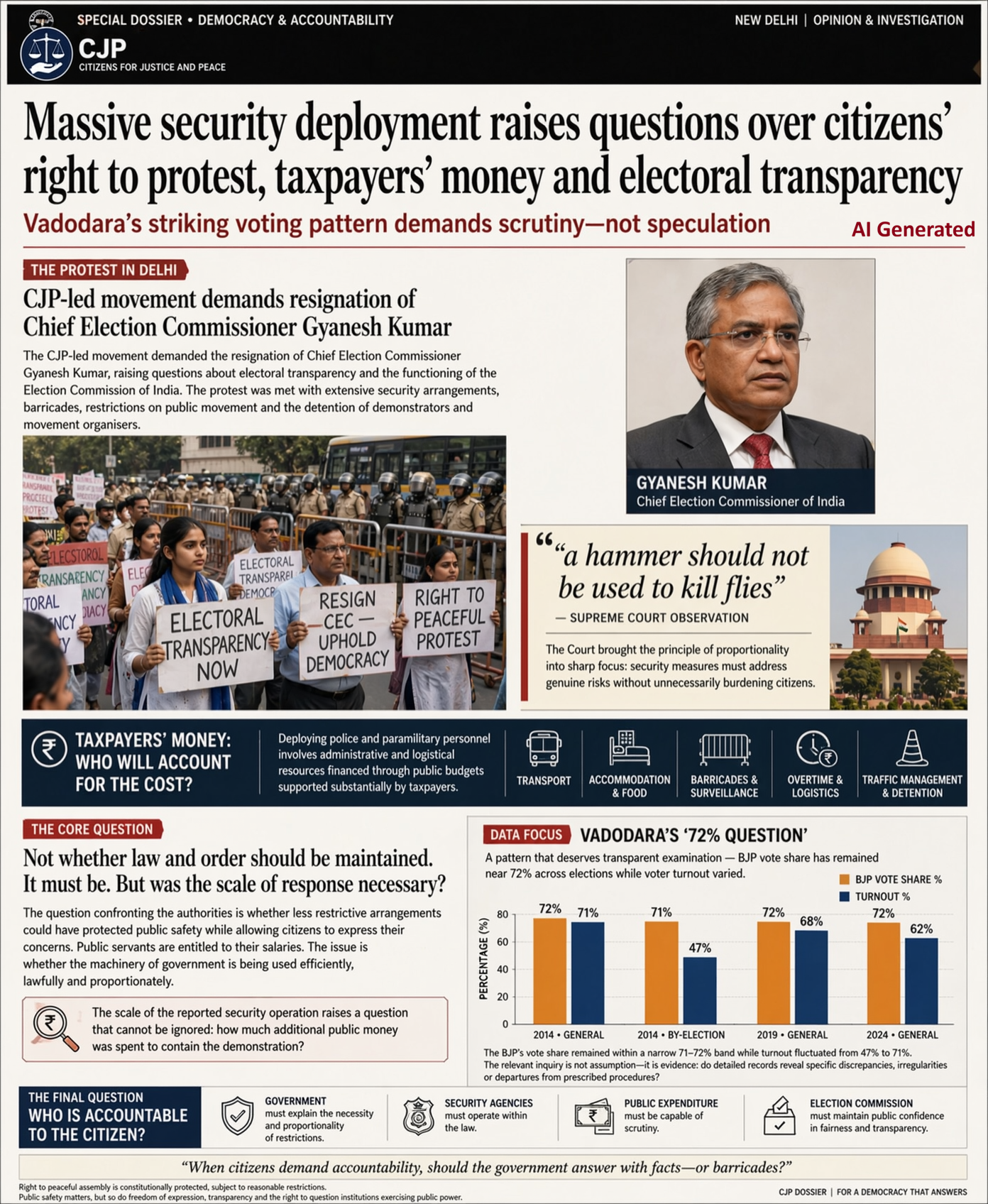
- CJP Protest LIVE Updates: Supreme Court hearing begins; CJP's media briefing at 2 pm
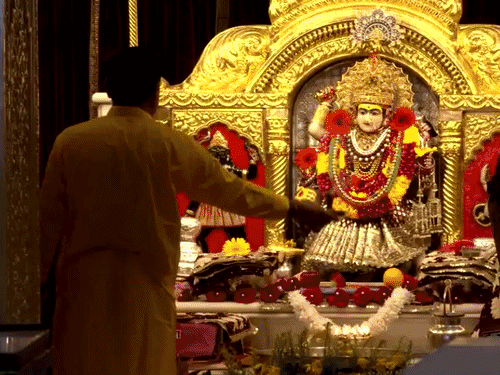
- Today is the first day of Navratri: Devotees perform aarti at Delhi's Jhandewalan temple, fans in Tamil Nadu put up 230 photos of Rajinikanth in the temple





manmath mehta
excellent analysis.