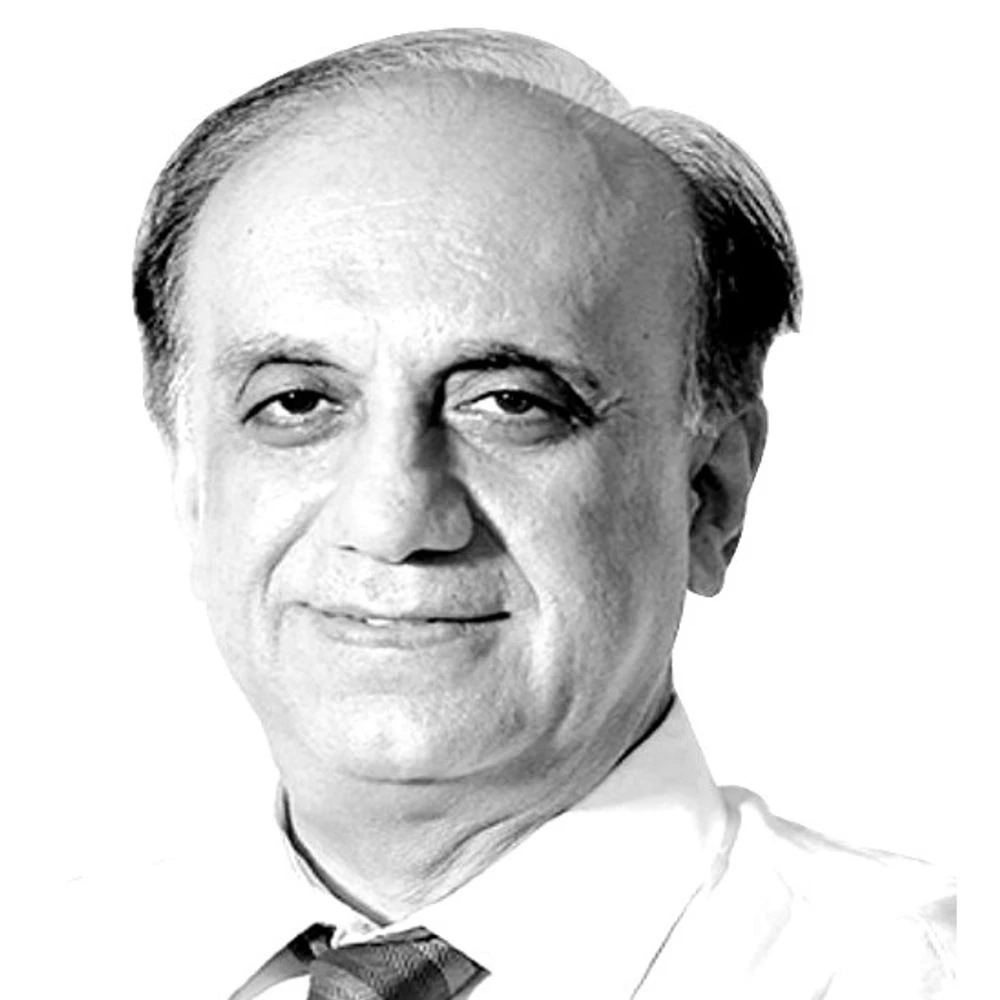
Contesting elections is an expensive job. Parties have two major requirements to contest elections to the Lok Sabha or Vidhan Sabha in India. First, to raise large sums of money for your candidate's campaign. Second, to win over the opposition candidates to increase their seats. According to the Association for Democratic Reforms (ADR), five national and 21 regional political parties officially received a total of Rs 7,445 crore from donors during the 2024 Lok Sabha elections. This is a legitimate part of election funding. The controversial electoral bond scheme that allowed parties to donate for business companies and individuals was struck down by the Supreme Court in February 2024. But most parties have developed ways to explore alternatives. The fact that the internally divided Trinamool Congress has over Rs 630 crore remaining in its bank account even after the West Bengal Assembly elections shows that there is a massive flow of money, both legitimate and illegal, during the electoral process. The official expenditure of Rs 7,445 crore in the 2024 Lok Sabha elections is only a small fraction of the actual election expenditure. The Centre for Media Studies (CMS) has estimated that the total cost of the election was Rs 1.35 lakh crore. This is 900% more than the Rs 15,000 crore spent in the 2004 Lok Sabha elections. This is more than the Rs 1.2 lakh crore spent on the 2020 US presidential election. The Election Commission has fixed the expenditure limit of the candidates. Each MP can legally spend up to a maximum of Rs 95 lakh, while for MLAs the limit is between Rs 28 lakh and Rs 40 lakh. But there is no limit on the election expenditure of the parties. Based on these estimates, illegal funding in the 2024 Lok Sabha elections was much more than Rs 1 lakh crore. This money came from companies, real estate developers, and other sources. They also expect future benefits from the parties to which they give money. This trend is not limited to India alone. For example, regulated Public Affairs Committees (PACs) in the U.S. put large amounts of money into the election campaigns of candidates for the Senate and House of Representatives. Influential funding groups like the American Israel Public Affairs Committee (AIPAC) can make or break a candidate's electoral prospects. AIPAC has been providing financial support to leaders like former US President Joe Biden and Senator Lindsey Graham for decades. The only difference is transparency. However, even in the U.S. system, illicit money from cartels and special interest groups reaches candidates in the form of cash. The proportion of cash funding in elections in India is far higher and it promotes widespread corruption. Although corruption at the central level has come down compared to the phone-banking era of the UPA, corruption has increased at the state and municipal level. The government is not ignorant of it, but there is not much it can do about it. Electoral funding is required at every level. Winning opposition leaders in their favour to gain a majority in the Assembly and Municipal Corporations comes at a heavy price. But all of this is leading to growing discontent among two major sections of the electorate. First, the middle-class taxpayers and businessmen, who feel that justice has not been done to them. Second, Gen-G youth, who believe that the government has done very little to create jobs. Both these groups are more vocal mainly on social media and online mediums. Most Indians are unaffected by this growing discontent. But the government cannot take them lightly. The incident of theft of the donation box of Ram temple is a warning. The Bharatiya Janata Party had reached power on the issue of Ram temple. If the stain of corruption seems to reach the house of God, the foundation of the BJP's fortress may be weakened. Prime Minister Modi has faced many crises in the past — Covid, tariffs, wars, etc. But corruption is like a monster with many heads. The biggest challenge before Modi is to control it before the 2029 Lok Sabha elections.
(These are the author's own views)

RSS News
Bhaskar
0 thoughts on “Minhaj Merchant's column: Excessive spending in elections promotes corruption”
Leave a Reply
Your email address will not be published. Required fields are marked *



RECENT NEWS
- Krishnavataram Part 1 Closing Collection: How much was the closing collection of 'Krishnavataram Part 1'? Know – Is this film a hit or a flop?
- Alpha Box Office Collection Day 4: Alia Bhatt's 'Alpha' failed the Monday test, the collection on the fourth day was shocking, yet broke the record of two films.
- Pt. Vijay Shankar Mehta's column: Keep seeing God, it makes the eyes successful
- Minhaj Merchant's column: Excessive spending in elections promotes corruption
- When will Vaibhav Suryavanshi play against Zimbabwe after the England series? BCCI announced the date