"Google... How to handle a crying child at the airport?" This might remind you of OpenAI's ChatGPT ad in which two people are stranded at the airport due to a flight delay. To pass the time, they have fun debates over games with voice commands. They are about to get into a fight about cricket when a child starts crying loudly behind them. Moving away from the sports argument, the girl looks at the boyfriend and asks the same questions. The boy keeps wondering what kind of question this is and this is where the advertisement ends. In a world where everyone is using AI assistants, doctors shouldn't be left behind. After all, no two days are the same for them. Every new day brings new patients and new problems. Reports from Western countries suggest that the OpenEvidence AI app has become increasingly popular among doctors, a chatbot in the field of medicine. Most doctors in developed countries use it to ask specific medical questions or share ideas about diagnostics. In May alone, he used it for 3 crore questions and consultations. OpenEvidence became a front-runner in this field, as it uses only medical journal and high-quality research data to train its AI models. Summarizes the most likely diagnoses and also tells about other important diagnoses that should not be overlooked. Each summary also provides links to original research articles. AI is certainly solving long-standing problems in medicine. Yet medical experts believe that the initial excitement should be accompanied by extreme caution. Such rapid adoption of an app in a highly sensitive field like medicine has raised concerns among medical professionals about when and how to use the technology. It is also reminiscent of the days when young doctors were made to start working in big hospitals. Years ago, new doctors were asked to spend a week or more in smaller departments such as pathology and radiology. Not because they were not aware of the functioning of these departments, but because they were made to experience how these departments work in a select hospital. Pathologists often use different diagnostic methods to confirm the diagnosis. For instance, they first perform rapid screening tests for initial positive or negative tests, then use advanced technology for conclusive and measurable results. Therefore, it is important for doctors to understand the process by which the tests they are prescribed. Testing the same sample 20 times can cause a slight difference in the data due to standard deviation, equipment calibration and chemicals used. When doctors understand how the pathology department works, they are able to make better decisions in the interest of the patient. In the old days, doctors used to pick up the intercom directly and ask the pathologist how the test was done and why there was a difference in the results. Unfortunately, today, in big hospitals, the pressure of work from day one is so high that young doctors are hardly taken to these departments. In India too, I have seen many doctors using AI for early information. Some doctors also have paid versions of the patient's quick medical summary, but still rely heavily on human assistance for accurate diagnosis. The trick is that AI undoubtedly offers a sea of information, but meeting people and learning from real-life situations still makes us better informed people. AI will be a better tool of the future for accelerated knowledge transmission, but it should remain as an additional helper, not a substitute for human intelligence and collaboration.

RSS News
Bhaskar
0 thoughts on “N. Raghuraman's Column: In the world of AI, it is still beneficial to meet people in real life”
Leave a Reply
Your email address will not be published. Required fields are marked *


RECENT NEWS
- Kokroch Janata Party demonstration in Pune: Founder Abhijeet says Maratha Empire map should be re-added to NCERT, Wangchuk releases education manifesto
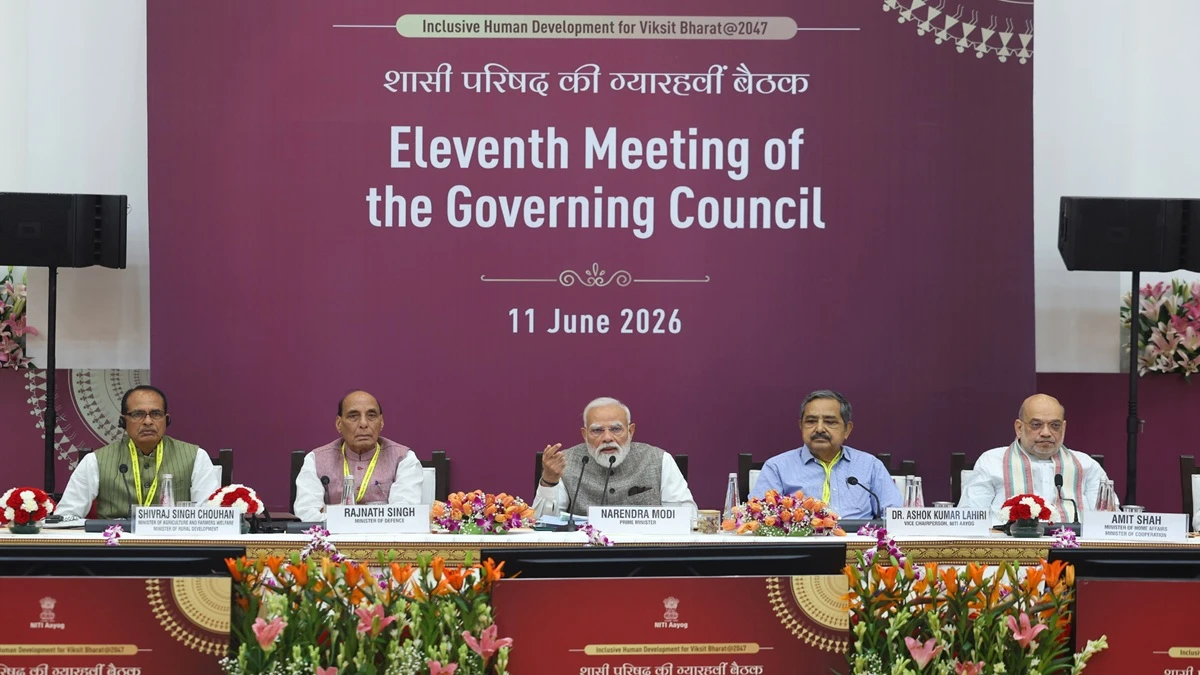
- Viksit Bharat 2047: PM Modi unveils growth roadmap, sets 100-day targets for states at NITI Aayog
- Why do people trust PM Modi so much? Former Principal Secretary Nripendra Misra reveals the secret
- Police parade Jahangir Khan in his shorts; Eggs thrown at TMC leader in Durgapur, mob surrounds him
- OPINION | Modi: Reels can't win elections, Picture Abhi Baaki Hai!