As a child, playing on the street – especially when the weather was not very favourable – was never an easy task. After running around for an hour, we would be drenched in sweat and desperately looking for something to quench our thirst. The roadside dump quenched our thirst, but our body seemed to be asking for something else to regain its lost energy. In short breaks of two or five minutes, we would run home, use the courtyard washroom, wash our hands quickly, and pick up whatever we could find by putting our hands in the jar on the shelf. This was the rule of almost every Sunday. Most of the time, our grandmother would make 'paruppu vadai' there. For those who don't know the difference between paruppu vadai or dal vadai and medu vada in hotels, the difference is simple. Paruppu vadai is mainly made from pulses – usually chana dal and other pulses like tur or urad as per the family's choice. Nani used to put many other things in it, whose names the children might not even know. But then we didn't care about the nutritional value of paruppu vadai. We would just put one in one pocket and run back to the street, thinking that it gave us enough energy to win the next round of our game. This is very similar to how many generations of our children have seen Popeye open a small can of spinach, eat it, and then suddenly become strong enough to take on his worst enemy. This cartoon turned a simple green vegetable into a symbol of strength. Popeye's spinach was not a scientific lesson on protein nutrition, but its message was very powerful: even a small amount of something good can make you feel stronger. It was also a shining example of how storytelling can influence children's eating habits. India's advertising industry has used this psychology for decades. From malt-based drinks that combine growth and strength to new protein-rich snacks being promoted as convenient nutrition – the message has often been simple: you don't have to eat too much to give the body something useful. Modern mothers have also adopted this trick, perhaps more clever than any brand. They have understood that it is not always necessary to lure a child with nutrition; Instead, it can also be served a feeling. A little paneer inside a paratha, gram flour in a dosa, dal in a soup or ground peanuts in poha can all quietly add nutrition to a familiar meal. The child gets something rewarding, but he doesn't feel like he is being 'punished for healthy food'. Interestingly, while urban households are seeing an abundance of protein products on supermarket shelves, rural kitchens have long provided protein in everyday food. The things were already present in our kitchens; They just didn't have flashy packaging or nutrition labels. The lesson for modern families, and perhaps even protein brands, is what our grandmothers intuitively knew: the solution to nutrition is not always something new or a large amount of food. Sometimes it's in serving an old, familiar food in the right way, in the right quantity—perhaps in a slightly more easily consumed quantity—at the right time. Just like the little paruppu vadai that we used to pick up and eat in between two games. The trick is that good things don't have to be found in large quantities. Even a small dose of goodness can keep its effect, fulfill needs and make you feel a little stronger from within.

RSS News
Bhaskar
0 thoughts on “N. Raghuraman's column: Love and good things are effective even in small amounts”
Leave a Reply
Your email address will not be published. Required fields are marked *


RECENT NEWS
- Ganga water level in Bihar is the highest in 10 years: 6 lakh people affected by floods, rains in UP for next one week; Rivers in MP overflow
- N. Raghuraman's column: Love and good things are effective even in small amounts
- Morning News Brief: PM Modi says he gave me a dose of homeopathy, 'mental Naxals' were upset, Faisal doubled by hitting him with 107 sticks, miracle on 11th day of Nepal disaster
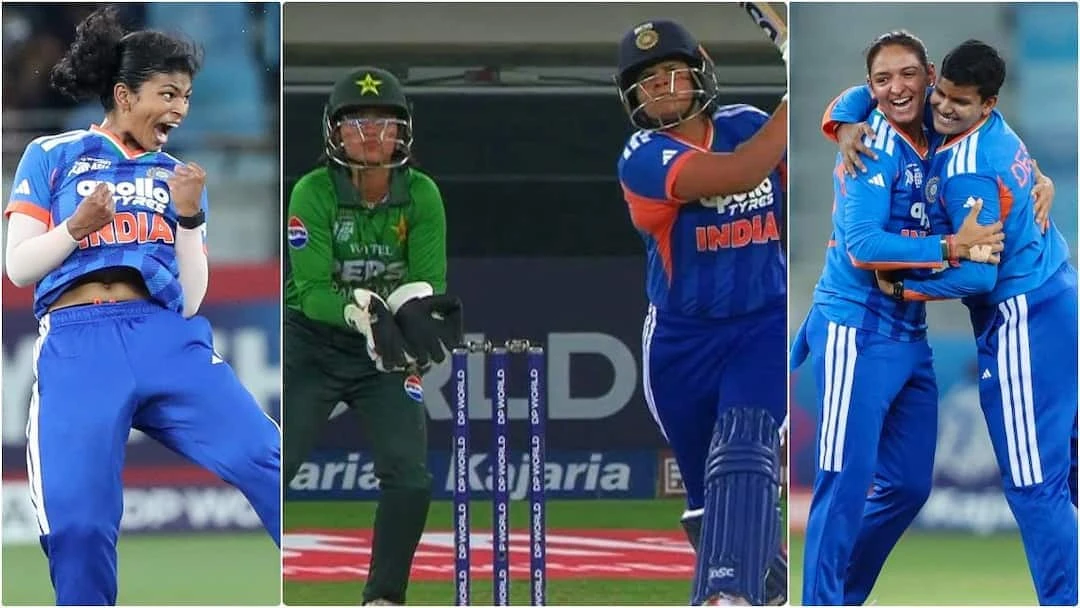
- India bowled out Pakistan for just 55 runs and won the match in 52 balls!
- President Murmu appoints Dr Dinesh Sharma as LG of Andaman and Nicobar Islands