In recent years, the BJP has regularly used the slogan of 'double engine government'. But legal experts argue that this slogan weakens the federal structure of Indian governance. It implies that if there are governments of different parties at the Centre and in the state, it is not in the interest of the people of the state. Of course, this slogan can be interpreted in a variety of ways, but the prevailing meaning is that when the ideology of the ruling parties at the Centre and in the state is different, coordination between them is weak. The widespread use of this slogan raises two questions. First, is the claim true that states whose people elect the ruling party at the Centre experience far faster economic growth and better governance? Second, has this slogan helped the BJP come back to power? The answer to the first question is 'no', and the answer to the second is 'yes' in some polls. Let us start with the first question and answer it in the context of some of the recent assembly elections. The BJP-led NDA was restored to power in Bihar last year and Assam this year. According to the logic of the 'double engine government', the two states should have emerged as a miracle of rapid economic progress. But that didn't happen. Both states are at the bottom of the country's economic ladder. Bihar's per capita income is the lowest in the country, while Assam's per capita income is the fourth lowest among large states. Even in the matter of good governance, these states cannot be considered as ideals. The BJP, on the other hand, has never ruled in Kerala or Tamil Nadu. According to the logic of the 'double engine government', both the states should have been economically worse. In stark contrast, both states are among the leading states in the country in terms of per capita income and Tamil Nadu is also considered to be one of the best governed states. At the same time, there have often been reports that states ruled by opposition parties face problems in participating in centrally sponsored schemes. For example, during the Trinamool rule in Bengal, the state was deprived of the benefits of MGNREGA and the Pradhan Mantri Awas Yojana since 2022. The Centre scrapped the two schemes on the grounds of allegations of widespread corruption, financial irregularities and failure to comply with central directives. While these allegations may not be entirely untrue, the funds were not cancelled despite similar irregularities in other states as well. This action in Bengal indicates political vendetta. Similarly, the Centre had withheld more than Rs.2000 crores in the School Education Fund under Samagra Shiksha for Tamil Nadu. It was alleged that Tamil Nadu has not complied with the provisions of the National Education Policy and the PMSHRI scheme. In short, having a single party government at the Centre and in the state does not lead to economic development, but the Centre is found to be more liberal towards the states where its own party is in power. Now the second question. Does this slogan give votes to the ruling party? Lokniti-CSDS conducted 22 surveys between 2014 and 2022, in which respondents were asked if they believe that for development it is necessary that the ruling party at the Centre and in the state should be united. In 5 out of 22 surveys, the number of respondents who completely disagreed with this statement was greater than those who agreed; While in the remaining 17 it was the opposite. At the time of the surveys, the BJP or its allies were in power in four states. But after the elections, the BJP and its allies came to power in 12 states. The BJP lost power in two states. The bottom line is that this slogan may help the BJP win the election, but in the states that follow this slogan and elect the BJP, there is no evidence that it will bring economic prosperity. (These are the author's own views)

RSS News
Bhaskar
0 thoughts on “Neeraj Kaushal's column: What happens when there is a one-party government at the Centre and in the state?”
Leave a Reply
Your email address will not be published. Required fields are marked *



RECENT NEWS
- N. Raghuraman's column: Should we sugarcoat punishment to prevent aggression among children?
- Neeraj Kaushal's column: What happens when there is a one-party government at the Centre and in the state?
- Morning News Brief: Suvendu Adhikari takes 6 important decisions; PM Modi's roar from Somnath, Barmer burns at 47 degrees Celsius
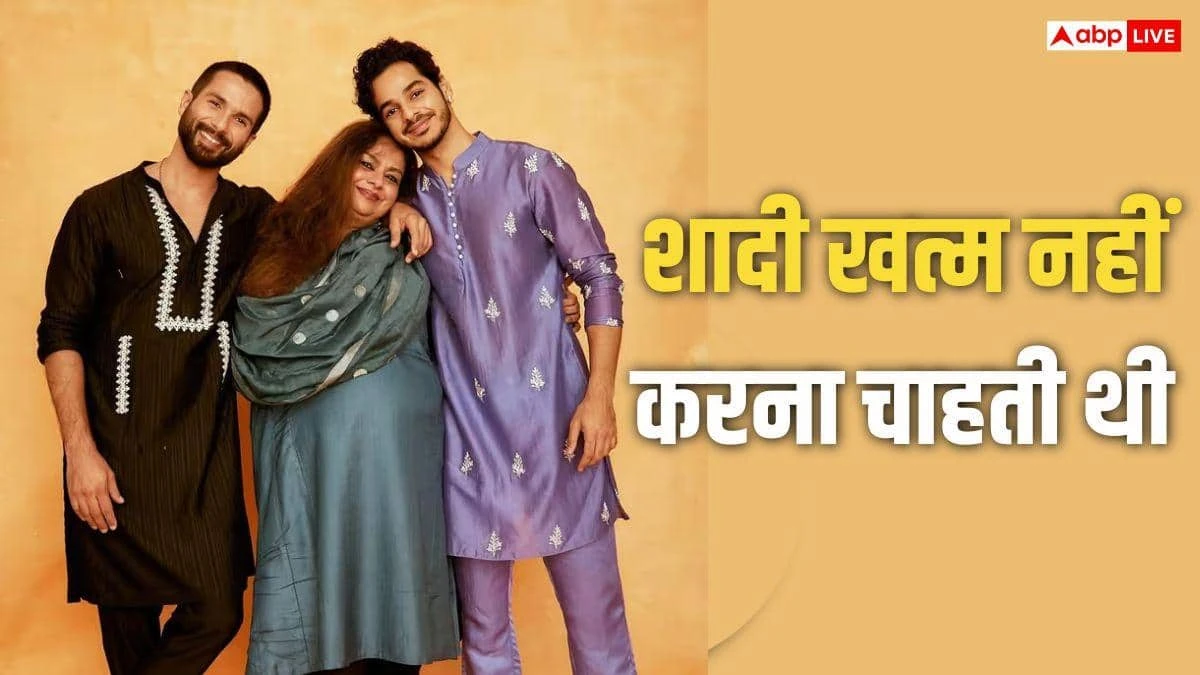
- Shahid Kapoor's mother Neelima Azim gets trolled for breaking up three marriages, says she didn't marry for profit
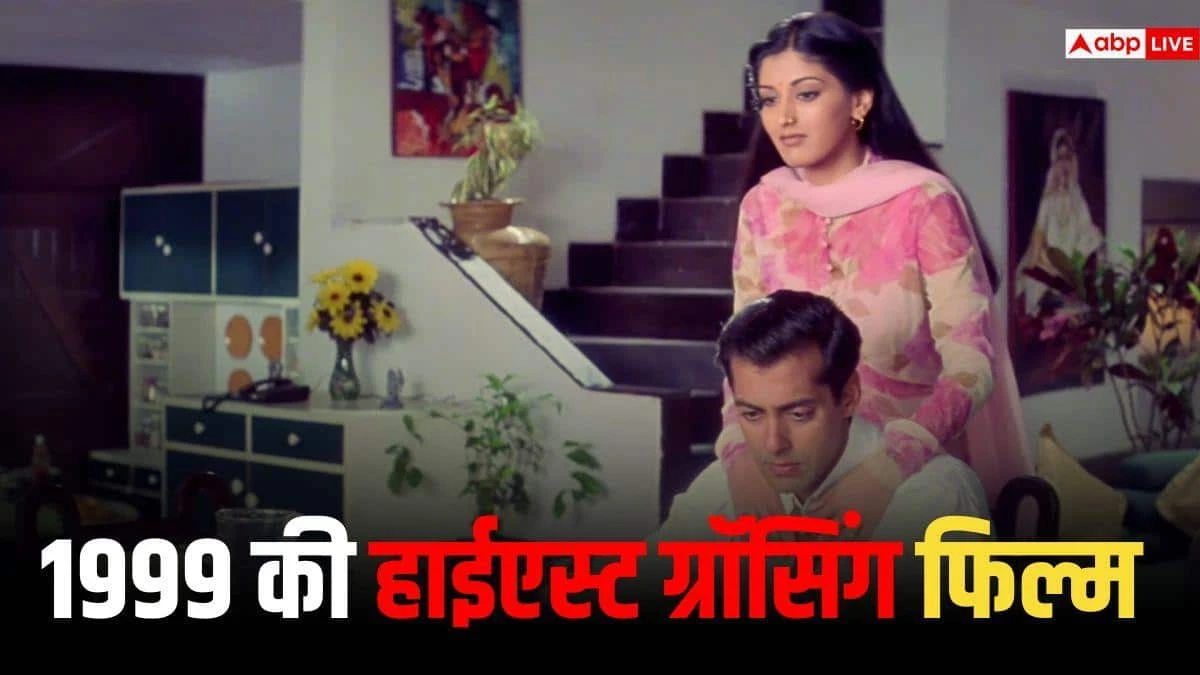
- The film with a 6.4 IMDb rating, which was made the highest grossing movie of 1999, had a 326% profit for the makers