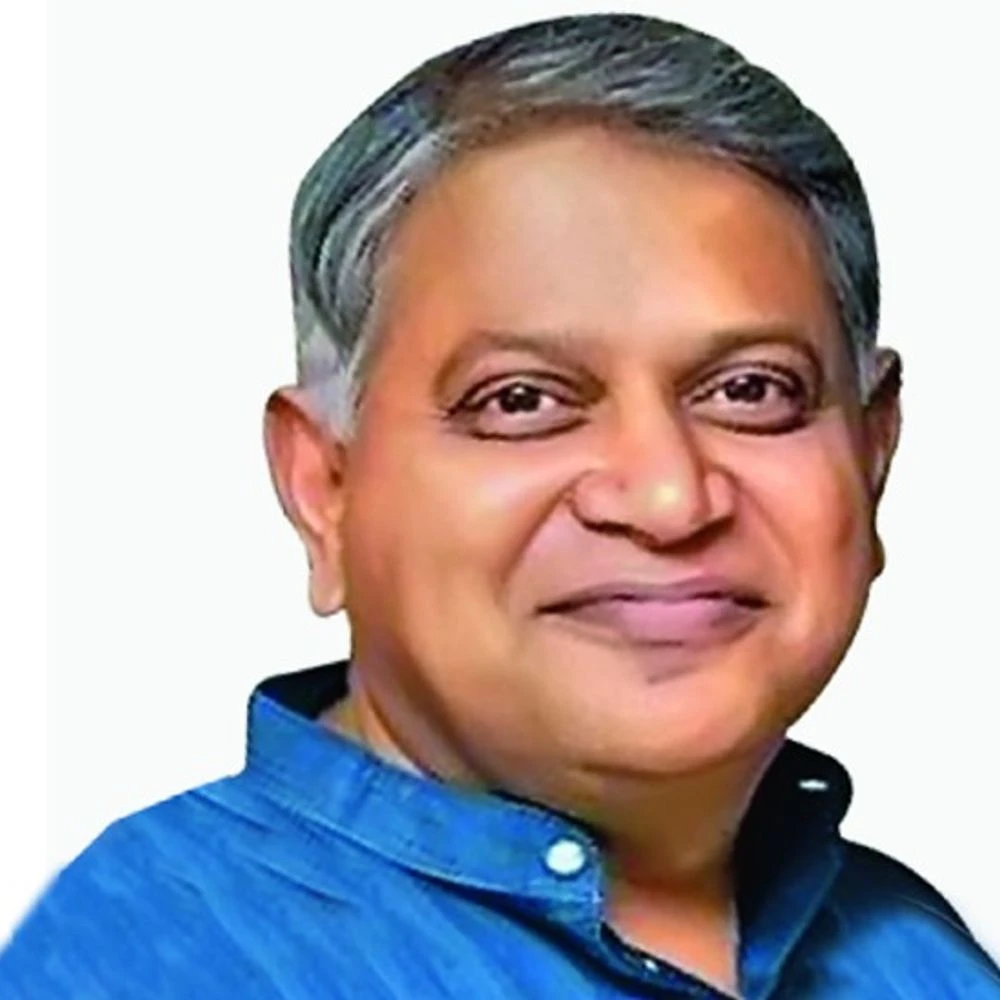
As a diplomat, I have had overseas appointments and have travelled the world. In my passport, I was described as a citizen of the Republic of India, a rising power and a representative of a great civilization. He has been a matter of pride for me. That's why I was confused when the Ministry of External Affairs recently said that passports are not proof of citizenship. The government may have its own reasons, but for decades Indians have understood that a passport is a formal confirmation of their citizenship. There are extensive checks before the process of obtaining it. Applicants have to submit documents, establish their identity, provide proof of residence, and undergo police verification. Passports are issued not merely because a person wants to travel abroad, but because the state is satisfied that the applicant is an Indian citizen. In fact, Section 6(2)(a) of the Passport Act clearly states that a passport can be issued only to a citizen of India. The emotional significance of this document was greater than its administrative utility. It represented a relationship between the individual and the nation. For Indians travelling abroad, it was not just a booklet, but a declaration of identity and belonging. It is true that passports can also be obtained fraudulently by hiding facts, forging documents, or giving false information about their identity. In such circumstances, the State has every right to cancel the passport and prosecute the guilty. But the notion that a valid passport issued under lawful procedure is proof of citizenship should not be rejected on the grounds that a valid passport issued under lawful procedure is a proof of citizenship. Voter ID cards can also be obtained fraudulently. The ration card can also be manipulated. Aadhaar card can also be misused. Property related documents can be forged. This question becomes all the more worrisome in the context of the current state of documentation in India. Aadhaar is not a proof of citizenship. Voter ID card is not a proof of citizenship. Ration card is not a proof of citizenship. Birth certificates are also often challenged on procedural grounds. Now if even a passport is not a proof of citizenship, then the question arises, what is the proof of citizenship? No modern nation can function on the basis of ambiguity. Citizenship is not an air-conditioned thing, on which ultimately all constitutional rights are based. A person must be recognized as a citizen before exercising the right to vote, claim legal protection, receive government benefits, or enjoy the rights granted by the Constitution. If none of the documents conclusively establishes this position, the onus falls on the individual. The state government should have proved the citizenship of the citizen through its institutions and documents, but instead the citizen is forced to prove again and again that he belongs to this country. When the state itself questions citizenship despite issuing documents that have traditionally certified citizenship, the citizen is left in a state of uncertainty. He has documents, but not enough. He follows the procedures, but no certainty is obtained. If citizenship remains the subject of controversy, the authorities have more authority to ask for additional proof. Citizens become dependent on arbitrary interpretations and bureaucratic gratification. In many countries including the US, UK, Canada, Australia, passports are accepted as a strong proof of citizenship, as citizenship is verified before it is issued. The real solution lies in further strengthening the investigation process at the time of issuance of documents, improving the verification mechanism, integrating various databases and imposing stringent penalties against fraud. At the heart of this debate lies another question. Should the citizen in a democracy live with a pre-conception of legitimacy or of doubt? If citizenship remains a subject of constant controversy, the authorities have more authority to ask for additional proof. Citizens then become dependent on arbitrary interpretations and bureaucratic gratification.
(These are the author's own views)

RSS News
Bhaskar
0 thoughts on “Pawan K. Verma's column: Should citizens live in a realm of trust or doubt?”
Leave a Reply
Your email address will not be published. Required fields are marked *



RECENT NEWS
- N. Raghuraman's column: Is "DJ" a way to overcome loneliness in some careers?
- Pawan K. Verma's column: Should citizens live in a realm of trust or doubt?
- AB de Villiers jumps into the debate over Vaibhav Suryavanshi's India debut; Indian coach targeted directly; Know what to say
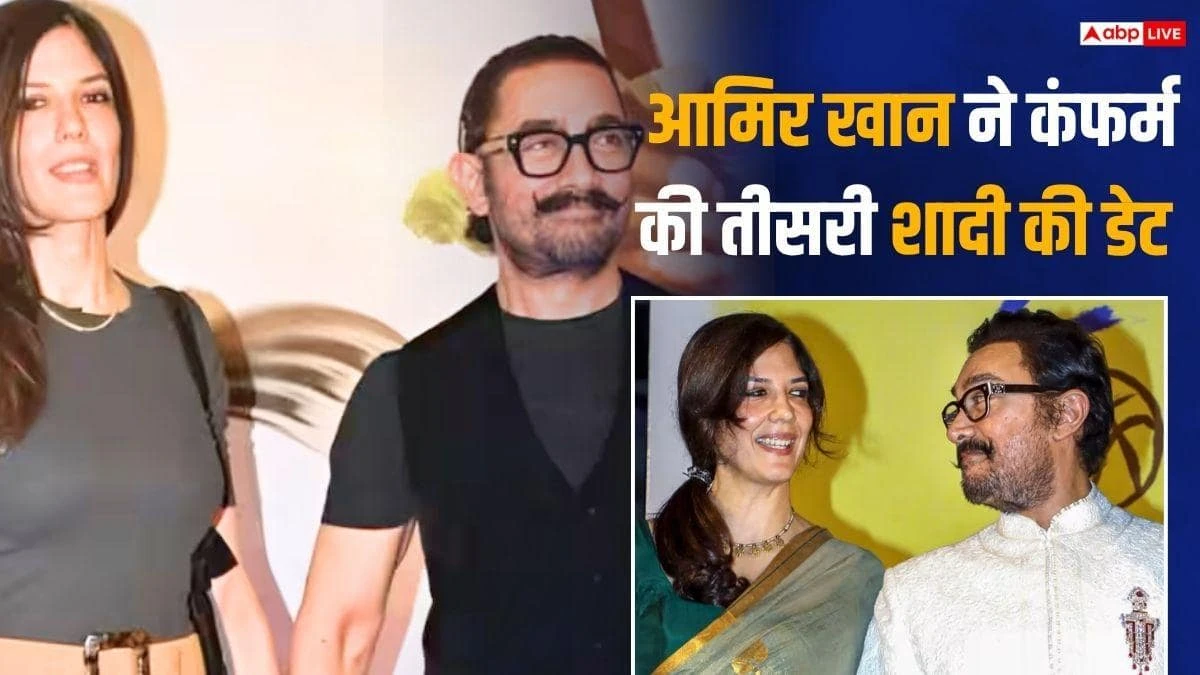
- Aamir Khan-Gauri Wedding: 'Bless us, let us be happy...', Aamir Khan confirms marriage with Gauri Spratt, will become groom for the third time
- Team India will play 11 matches in July, when, who will they face? Check out the schedule of all this month's matches