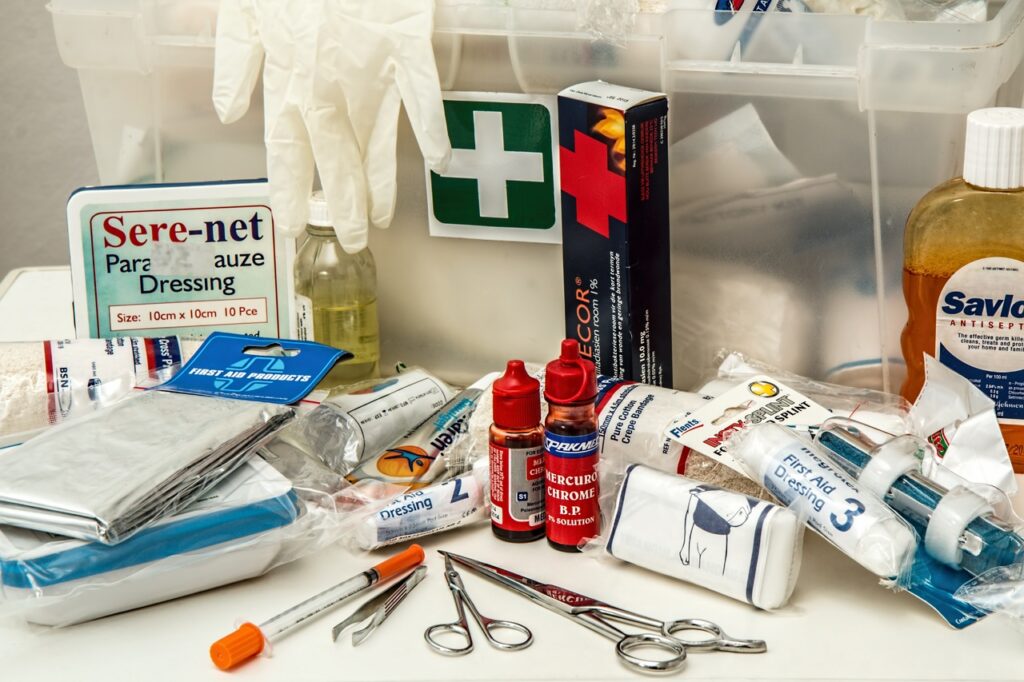
Recently two news stories came out. The first was that nearly nine out of ten adults in India have cholesterol or other lipid levels above or below the normal range. The second news came from the US, where a new drug has been approved, which can reduce LDL cholesterol by up to 60%. This may be a mere coincidence, but it also raises an inconvenient question: Are we reminded of the burden of a disease only when a new market is ready to treat it? The recent experience of obesity-reducing drugs is a clear example of this. Obesity had been on the rise for years. But with the advent of new drugs, obesity became one of the most talked-about problems in medicine and the media. This increased awareness, but weight was made a drug-curable disease. The root causes like physical inactivity, stress, processed food were left behind. Heart disease, diabetes, obesity and fatty liver are on the rise in India. In our lifestyle, sitting has increased, walking has decreased and sugar, flour and processed food have increased. Lipid and cholesterol treatment goals have steadily come down over the past few years. It is recommended to keep LDL cholesterol below 55 mg per deciliter for high-risk patients. Earlier this limit was 70. The new drug can reduce LDL cholesterol by 56 to 59%. But not every patient needs it. This may be important for those who have had a heart attack in the past, have a higher heart risk, or have a genetically high cholesterol rate. At the same time, the results of the ICMR-India study also came. The study was based on 23,665 adults in India and found that 87.3% of people had at least one abnormality associated with lipids. It is important to understand here that this does not mean that about 90% of Indians have bad cholesterol at dangerous levels or they should start medication. This also includes people who have low HDL levels. It is considered good cholesterol but there is no medicine to increase it. It can only be exacerbated by a good and healthy routine. The problem begins when the goals to be achieved by treatment are considered normal for the entire population. As soon as the target of treatment is changed, millions of people suddenly fall into the category that is considered worthy of being given the drug. While there would have been no new damage to his body overnight. This is called medicalization. This means turning a risk, physical variation or lifestyle problem into a disease for which constant screening and medication are considered necessary. This does not mean that cholesterol medicines are useless. The real question is who needs the drug and for how long. On the one hand, crores of people do not get the necessary treatment, on the other hand, there is an increase in over-testing and medicines in the affluent class. A healthy young person with slightly elevated LDL and a person who has suffered a heart attack cannot be the same patient. Lifestyle diseases will not be solved by pills. We need better food, active living and stronger primary health services. The sensible patient does not refuse the drug; He asks questions on the need, benefits, and duration of the drug and makes an informed decision. (These are the author's own views)

RSS News
Bhaskar
0 thoughts on “Dr. Chandrakant Laharia's column: Over-testing and medicines are also a disease in themselves”
Leave a Reply
Your email address will not be published. Required fields are marked *


RECENT NEWS
- VVS Laxman will be the new chief selector of Team India. Ajit Agarkar to be discharged
- Xplane: What is a caste census and why is there so much controversy about it?
- Dr. Chandrakant Laharia's column: Over-testing and medicines are also a disease in themselves
- N. Raghuraman's column: Using bots as social buffers is an epidemic of 'self-mistrust'.
- Morning News Brief: Rahul Gandhi says RSS is trying to change history: Comments on Tamil Nadu CM's friend; Stalin arrested, police station push for passport now stopped