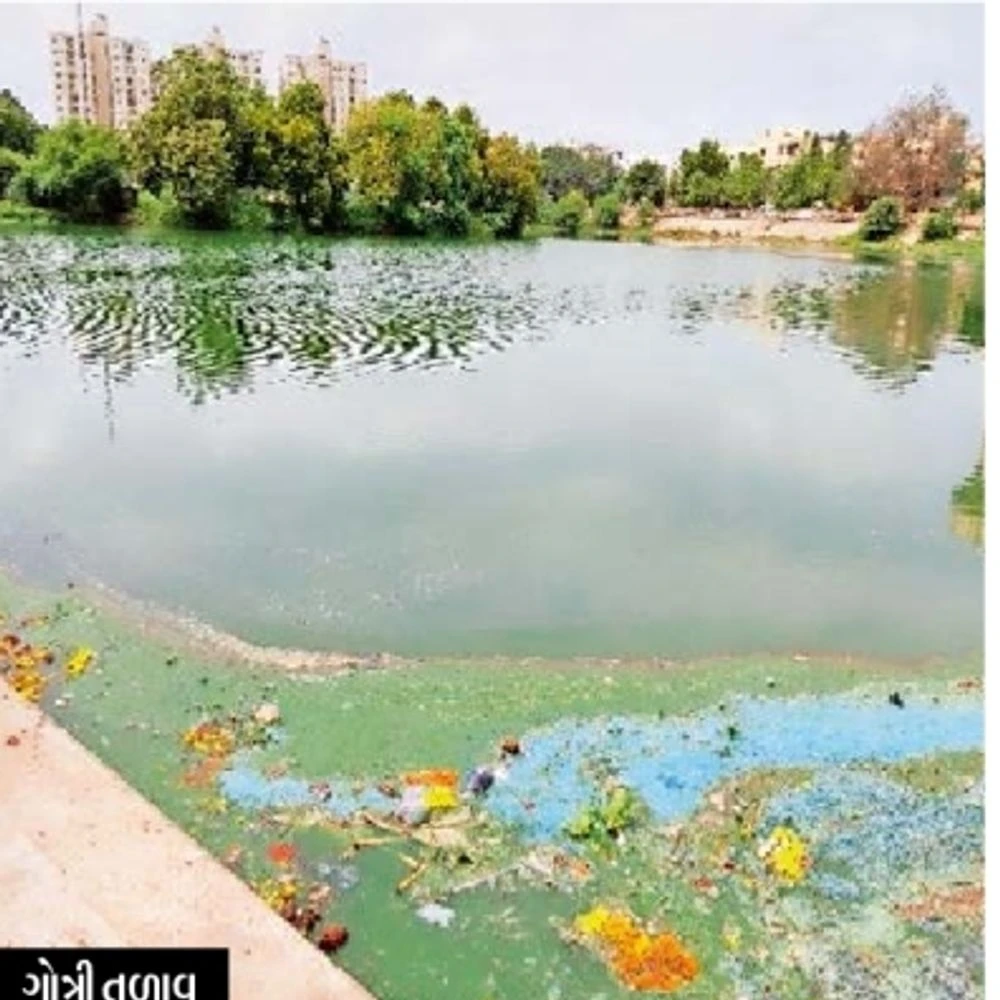
The increasing use of plastic is not limited to roads and garbage dumps. Very small particles of plastic, known as microplastics, have now reached the lakes of Vadodara, research has revealed. The research carried out by the Department of Environmental Sciences of the Faculty of Science of MSU scientifically analysed water and soil samples from 8 lakes. The presence of micro-plastic particles has been reported in the water and soil of these 8 lakes namely Gorwa, Sama, Harni, Danteshwar, Gotri, Kamla Nagar, Bapod and Dhobi lakes. These particles can enter the body of aquatic animals, including fish. In the long run these particles can pose a threat to human health through the food chain. These particles are generated by the decomposition of plastic bottles, carry bags, fibre from synthetic fabrics and other plastic waste. During the study, different types of microplastics such as fragments, fibers, films, and foam were found. The highest number of broken plastic pieces and fiber particles were recorded. According to experts, microplastics are not easily visible to the naked eye, but they can survive in water for a long time. The research was carried out by PhD researcher Dr Shruti Chaudhary under the guidance of Prof Prakash Samnani. The main objective of the research was to assess the status of microplastic pollution in city water bodies and to provide scientific information for future control. Less use of plastic, regular cleaning of lakes is necessary
According to Prof. Prakash Samanani and Dr. Shruti Choudhary micro plastic pollution is a global challenge. To prevent this, it is necessary to reduce the use of plastic, proper management of waste and cleanliness of ponds. The research points to the increasing microplastic pollution in the lakes and emphasizes the need to take steps to conserve it. Use of biochar yields good results related to water quality
The use of biochar also showed improvement in various parameters related to water quality such as pH, TDS, hardness and chloride. These results demonstrate that biochar can be effective not only in removing microplastics but also in improving water quality. According to Prof. Prakash Samanani and Dr. Shruti Choudhary, biochar prepared from sugarcane waste is a low-cost and environmentally sustainable option. In the future, it can be used effectively in microplastic pollution control as well as water purification processes. What can be done to prevent microplastics, the main source of microplastics in the lakes included in the study? Success in removing microplastics from biochar made from sugarcane waste
An important feature of this research is that it evaluated the efficacy of biochar prepared from sugarcane waste to prevent microplastic pollution. During the experiment, an attempt was made to remove microplastic particles from the water using a biochar-based filtration method. The results showed that the microplastic particles were effectively absorbed due to the porous structure and large surface area of the biochar, resulting in a significant reduction in their concentration in water.

RSS News
Divyabhaskar
0 thoughts on “Polluted and dangerous: Micro plastics found in water of 8 lakes, including Sama, alarm alarm for aquatic life-human health”
Leave a Reply
Your email address will not be published. Required fields are marked *



RECENT NEWS
- Savjo reached residential areas in Gir: CCTV footage of two lions in search of prey in Amarapur village
- Illegal construction of notorious accused demolished: 150 sq m from Chudwa border near Gandhidham. The ground is depressurized
- Not private, these government schools in Ahmedabad are the first choice of parents: From smart classrooms to AI facilities, 56 thousand people, including the son of an IT engineer, got admission in AMC's smart school
- 9 gates of Khodiyar Dam upstream of Shetrunji Dam opened: The level of Shetrunji Dam reached 25.4 feet at midnight.
- Gross negligence of RUDA: 10,000 citizens at risk from illegal dumping yard near Kangshiali Chowk