Saudi Arabia, Pakistan and Türkiye took steps towards activating their "Mecca alliance" (or so-called "Muslim-NATO") on Monday (October 5). When the Houthi missiles fell on Saudi Arabia for the first time, the question arose whether Pakistan would come forward to protect Saudi Arabia? But for a month, Pakistan did not take any action. There were strong reasons for its hesitation. At least the lack of military capability cannot be the reason for this. Pakistan is ranked 14th in the Global Firepower Index. It has 6.60 lakh active and 5.50 lakh reserve soldiers. There are about 1400 aircraft in its Air Force, including more than 300 fighter jets, including China's JF-17 and America's F-16. Then it also has the trump card of nuclear weapons. But what has been lacking is the strategic scope to use them. There are three reasons for this – politics, priorities and money. Pakistan had presented itself as a mediator in the Iran war. It hosted the US-Iran talks and helped in the ceasefire. Pakistan wants to maintain this role even further, because it gives it influence and strategic advantage. For this, it is necessary to maintain good relations with Iran. Pakistan and Iran have a 900-km long border. Both countries have carried out air strikes on each other in the past. Iran can affect Pakistan's energy supply, increase trouble on the border or increase military tension. There are many reasons why Pakistan wanted to avoid such a situation for a month. The second reason is strategic priorities. West Asia is important for Pakistan as a source of money and oil. But it is not its neighbour. Pakistan has bigger challenges in its immediate areas. Take Afghanistan. Pakistan alleges that the Taliban supports the TTP i.e. the Pakistani Taliban. This issue has already taken a violent form between the two countries and there have been cross-border attacks. Then Pakistan's focus is also on its eastern border, where a large part of its army is deployed. Even within its home, Pakistan is struggling with the growing threat of terrorism. More than 2700 people have been killed in the attacks in the first seven months of 2026. Pakistan is also under pressure over the unrest in PoK and militancy in Balochistan. In such a situation, Saudi Arabia was not a necessary front for it. Now we come to the third reason – money. It is very expensive to fight a war for another country and Pakistan's economy cannot afford such expenses at the moment. Its economic growth rate is estimated to be only 3.5%, the inflation rate is 10.2%, while the foreign exchange reserves remain in a very risky position. 91% of its foreign exchange reserves are made up of money borrowed from other countries. Its economy is based on foreign debt from the IMF, China, Saudi Arabia and international bonds. In such a situation, it will not be able to afford to fight a war for anyone else. About 8,000 Pakistani soldiers are already stationed in Saudi Arabia. They are accompanied by 16 JF-17 fighter jets and China's HQ-9 air-defense system. Saudi Arabia is bearing the cost of this deployment, while Pakistan is operating them. But despite all this, Pakistan does not want confrontation and favors discussing with the Houthis politically. In such a situation, Saudi Arabia should also consider other options. Because even after all these military resources, Pakistan's army has not won any war in its history. And when it cannot win a war on its own land, how can it fight abroad? (These are the author's own views)

RSS News
Bhaskar
0 thoughts on “Palki Sharma's column: Will a strong "Muslim-NATO" on paper work in reality?”
Leave a Reply
Your email address will not be published. Required fields are marked *



RECENT NEWS
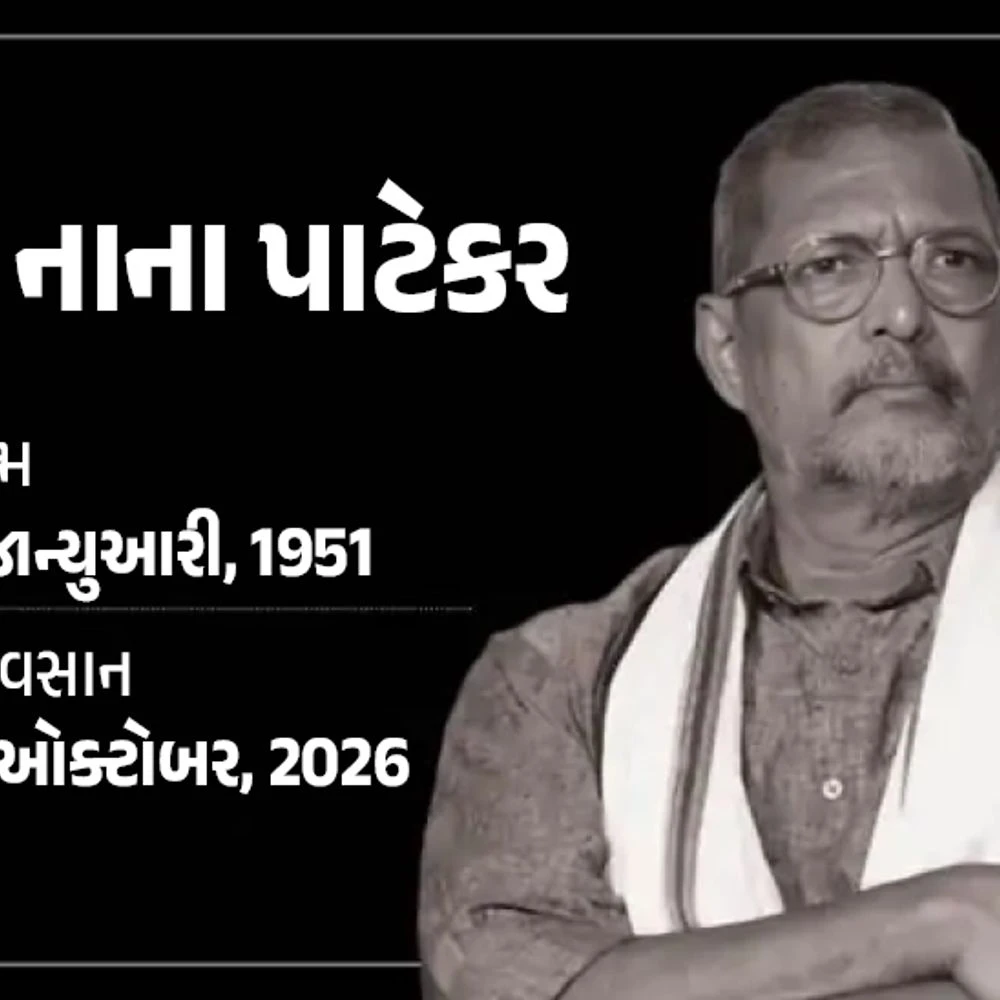
- Nana Patekar passes away at the age of 75: Cardiac arrest, life could not be saved even after giving CPR for 45 minutes; 100+ Films, 3 National, 4 Filmfare Awards
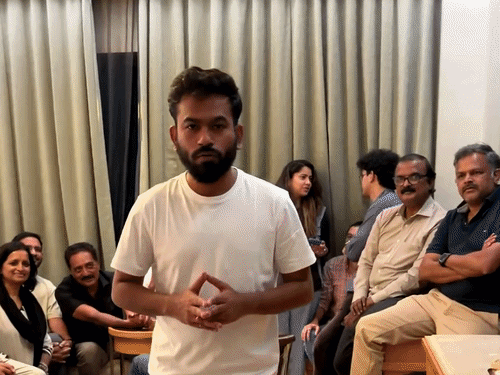
- YouTuber Dhruv Rathi to join CJP protest: Protest against SIR in Bengaluru; Rathi says - fight to save democracy, protest in Delhi on October 10
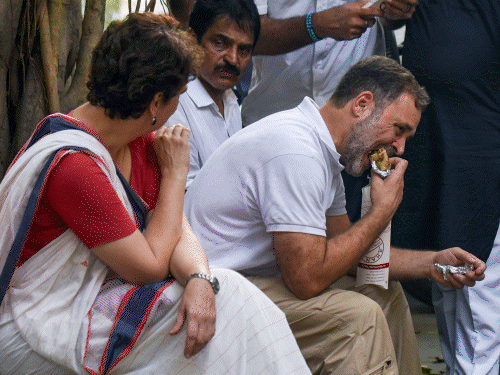
- Rahul Gandhi spent 14 hours out of 48 hours on the road: Ate on the ground; Detained thrice; Most active in the last 3 years
- Palki Sharma's column: Will a strong "Muslim-NATO" on paper work in reality?
- Aarti Jerath's column: Congress's strategy in UP politics is now changing