What is religion?
The word 'Dharma' is derived from the root 'dhru', which means to hold and to keep. Religion is generally translated as duty, morality, morality, law or the moral order that sustains society. But none of these words convey the broader meaning of religion. In the Hindu view, religion is the way to find a way through the moral complexities of existence. Dharma does provide a clear moral framework for conduct, but it is not a rigid set of rules like the 'Ten Commandments' of the Bible. Human conscience and behaviour have given Dharma scope to be influenced by a number of factors depending on the circumstances. These include Desh-Dharma i.e. conduct prevalent in different regions, Ashram-Dharma i.e. duty according to the stage of life, Kul-Dharma i.e. responsibility towards the family, Jati-Dharma i.e. caste loyalty, Swaraj-Dharma i.e. the nature of the person, Swadharma i.e. choice made with the wisdom of conscience, and Apaddharma i.e. conduct in times of crisis. Religion tells us to examine the context, intention, circumstances and consequences before passing judgment on anyone. But this sophisticated complexity also gives people the scope to use religion to justify their faults. Recall the familiar reaction of powerful people to doing something wrong. They say, "Circumstances forced me, there was political pressure, there were questions related to security, this decision was taken in the larger public interest, someone else was responsible, the intention was not wrong, etc. In this way, an excuse can be made for every wrongdoing. If every violation is accompanied by some explanation, then gradually the explanation itself can become the basis for exoneration. The Hindu epics are full of situations where the seemingly righteous path clashes with another moral responsibility. Truth and compassion may come face to face; Loyalty and justice may clash; Duty to the family and obligations to society may stand in opposition to each other; And the clash of individual virtue may be for a collective purpose. The Mahabharata, in particular, is less a rulebook of morality and more of a vast laboratory of moral dilemmas. That is why the Hindu psyche is reluctant to divide the world into two khans of saints and sinners. Duryodhana is undoubtedly responsible for grave iniquity, yet flowers are showered on him from heaven at the time of his death in the epic. Ravana commits acts that cannot be morally defended, yet the Ramayana also remembers him as a scholar and a great devotee of Shiva. You can say that the principle that it is better for many culprits to get away than to punish one innocent person is humane. But if the system becomes so complex that it is almost impossible to prove someone's guilt, then even a good intention can lead to bad consequences. Unfortunately, the situation today has become such that the more power one has, the more excuses he has to justify his mistakes. We have to understand that religion may depend on context, but that does not mean that it does not have consequences. Similarly, law and morality are not the same thing. A crime may be difficult to prove legally, yet it cannot be morally defended. A mature society must understand these two differences. In fact, religious ethics asks the question of whether my conduct has handled or harmed the broader moral order. The criterion of religion cannot be how clever arguments we can make to justify what we have done. The criterion should be whether we are still willing to accept responsibility for what we have done. Righteous ethics asks whether my conduct has handled or harmed the moral order? The criterion of religion is not how many arguments we can make to justify what we have done. The criterion is whether we accept responsibility for what we have done.
(These are the author's own views)

RSS News
Bhaskar
0 thoughts on “Pawan K. Varma's column: Accepting responsibility for one's actions is also a form of religion”
Leave a Reply
Your email address will not be published. Required fields are marked *



RECENT NEWS
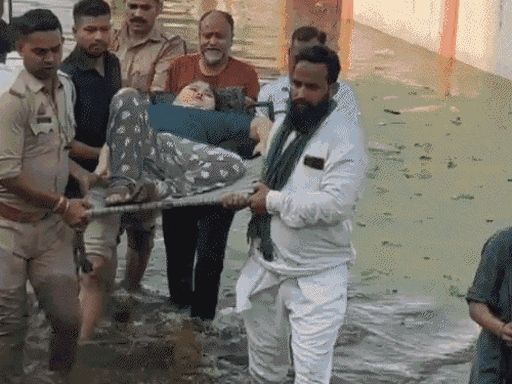
- More than 3 lakh people affected by floods in Lucknow: Thunderstorm-rain alert in 18 districts of Bihar; Snowfall in Uttarakhand's Pithoragarh
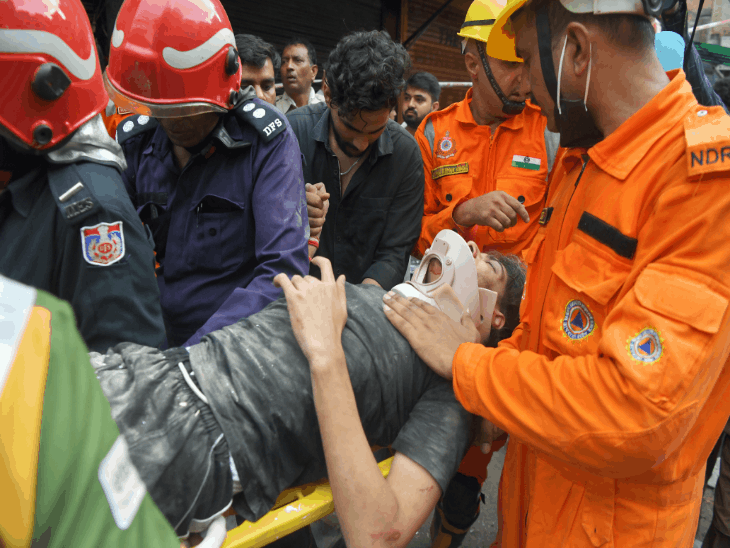
- Web portal to be created for monitoring of PG-hostels in Delhi; 100 sites to be inspected in 3 days; 1133 incidents of building collapse in Delhi
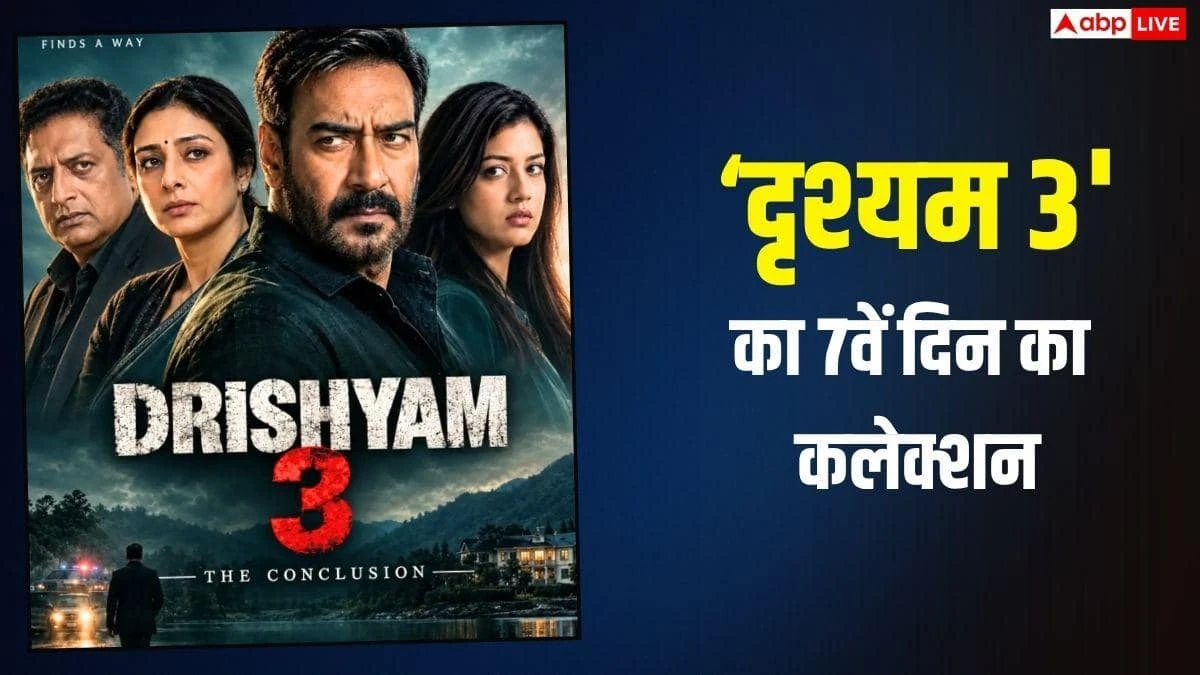
- 'Drishyam 3' wreaks havoc on the 7th day, 'Mirzapur The Movie' is wiped out, making two big records of the year 2026
- BJP leads in Nandigram-Rejinagar seats in West Bengal in bypolls: TVK-AIADMK leads in one seat each in Tamil Nadu; BJP leads in Assam Lok Sabha seat
- N. Raghuraman's column: If money cannot reduce someone's pain, then it has no meaning